Keep reading
Nearby & related
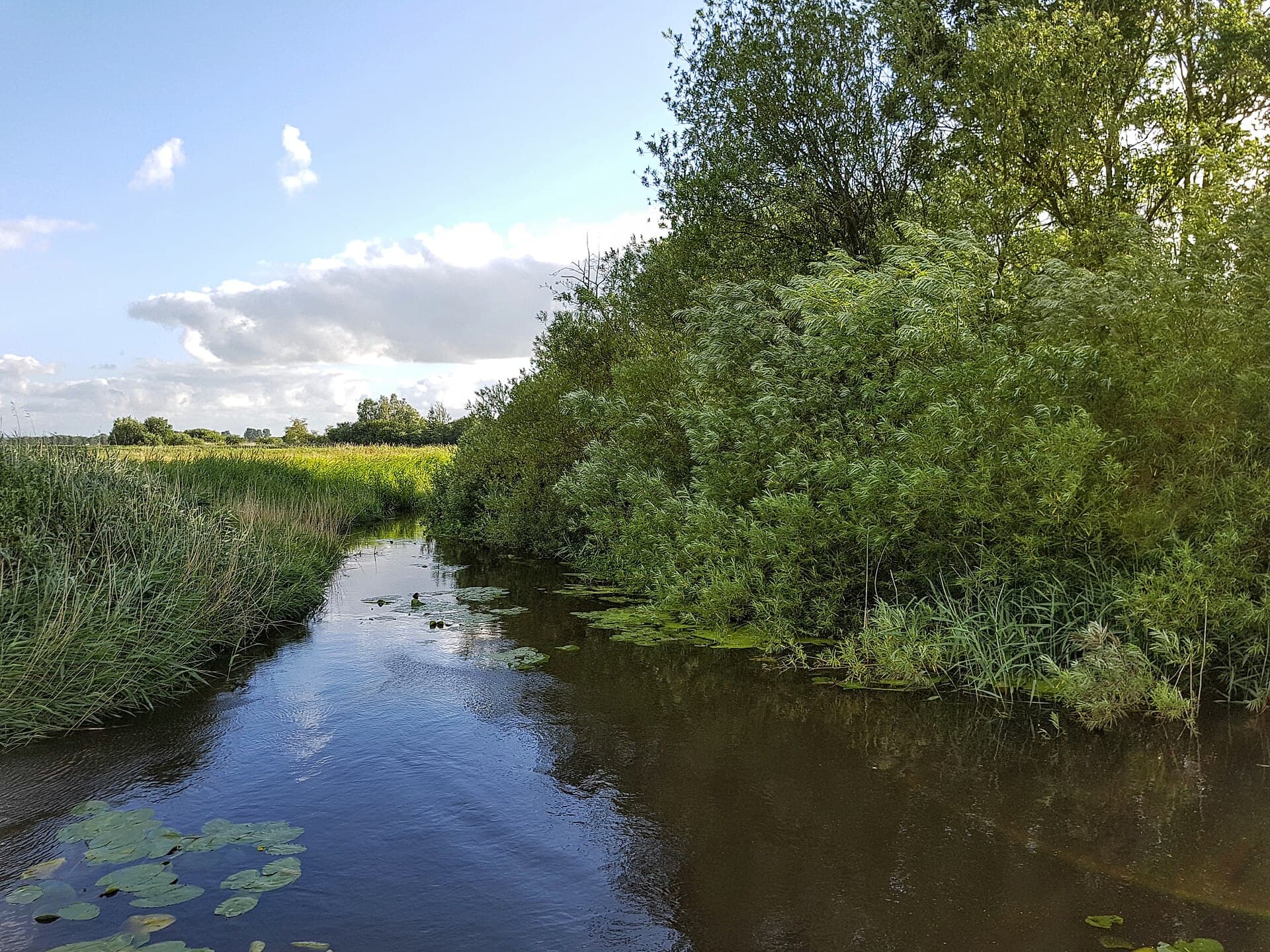
Blockland – Burgdammer Wiesen: Bremen’s Protected Meadow Reserve
Explore the quiet wetlands, birdlife, and pastoral landscapes of this nature reserve just north of Bremen.
15 October 2026
This university collection in Bremen offers a detailed look at minerals, fossils, and rock formations that reveal the planet's dynamic history.
The Geowissenschaftliche Sammlung der Universität Bremen stands as a specialized repository of earth science specimens on the university campus. It houses thousands of minerals, fossils, and rock samples collected over decades, reflecting research from various geological eras and regions. Visitors interested in the natural sciences will find this a focused destination that emphasizes scientific context over spectacle.
The collection highlights systematic displays of minerals organized by chemical composition and crystal structure, allowing close examination of specimens from both local German deposits and international sources. Fossil exhibits trace evolutionary timelines through marine invertebrates, plant remains, and vertebrate bones, often linked to specific stratigraphic layers. Rock suites demonstrate igneous, sedimentary, and metamorphic processes with labeled examples that illustrate formation conditions.
Guided tours or self-study stations connect the physical objects to ongoing university research in paleontology and mineralogy. Temporary presentations sometimes feature new acquisitions or thematic topics such as climate records preserved in sediments. The layout encourages quiet observation and note-taking rather than rapid browsing.
Located on the University of Bremen campus, the collection is reached by tram lines 6 and 8 from Bremen Hauptbahnhof, followed by a short walk. Cyclists benefit from extensive campus paths, while drivers find limited university parking that fills quickly on weekdays. The site integrates easily into a half-day itinerary combining other campus facilities or a walk through adjacent green spaces.
Any season works because the exhibits are indoors, yet spring and early autumn offer comfortable weather for combining the visit with outdoor walks around the campus or nearby parks. University term times may bring more student activity, while semester breaks provide quieter conditions for independent exploration.
After viewing the collection, travelers can continue to Bremen’s historic city center, featuring the UNESCO-listed town hall and the impressive St. Petri Cathedral. The Botanischer Garten der Universität Bremen lies nearby and complements the geological focus with living plant collections. The Weser River promenade provides a scenic route back toward central Bremen for meals or further sightseeing.
Keep reading
Explore the quiet wetlands, birdlife, and pastoral landscapes of this nature reserve just north of Bremen.
The collection appeals more to older children and teens with an interest in science; younger visitors may find the detailed labeling and quiet atmosphere less engaging without adult guidance.
Most visitors spend between one and two hours, depending on their level of interest in examining individual specimens and reading explanatory texts.
Photography is generally permitted for personal use, but visitors should avoid flash to protect sensitive specimens and respect any posted restrictions near research materials.
The campus location includes ramps and elevators in main buildings, though some display cases may require assistance; contacting the university ahead helps confirm current accessibility provisions.
Tours are occasionally offered in connection with university events or by arrangement for groups; independent visitors can explore at their own pace using the permanent labels and maps.
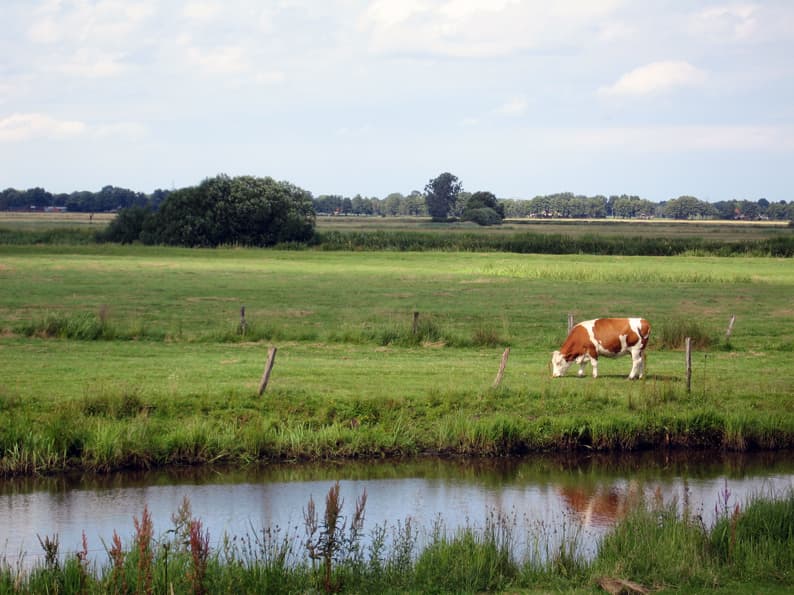
A quiet wetland reserve rich in birds and reeds, offering easy walks on the edge of the Weser estuary.
A protected wetland reserve offering peaceful walks through peat bogs and bird-rich meadows on the edge of the city.