Skip to content
Plan & Tour
DestinationsItinerariesTravel BlogAboutContact
0Sign inPlan a trip
Plan & TourPlan & Tour

Travel guides, destination inspiration and curated itineraries for Canada, the USA and beyond, plus a free tool to plan your own day-by-day trip.

Get travel inspiration

Explore

  • All Destinations
  • Curated Itineraries
  • Travel Blog
  • Plan a Trip

Topics

  • Hiking & Nature
  • Food & Drink
  • City Breaks
  • Budget Travel

Company

  • About Us
  • Contact
  • Privacy Policy
  • Terms of Service

© 2026 Plan & Tour. Built for travellers.

Discover the world, one trip at a time.

Fuji Antarctic Museum: Japan’s Polar Legacy in Aichi Prefecture
  1. Home
  2. Destinations
  3. Aichi Prefecture
  4. Fuji Antarctic Museum: Japan’s Polar Legacy in Aichi Prefecture
Museum

Fuji Antarctic Museum: Japan’s Polar Legacy in Aichi Prefecture

Explore the preserved icebreaker Fuji and artifacts from Japan's Antarctic research at this distinctive waterfront museum.

Aichi PrefectureUpdated 13 August 2026

Discovering the Fuji Antarctic Museum

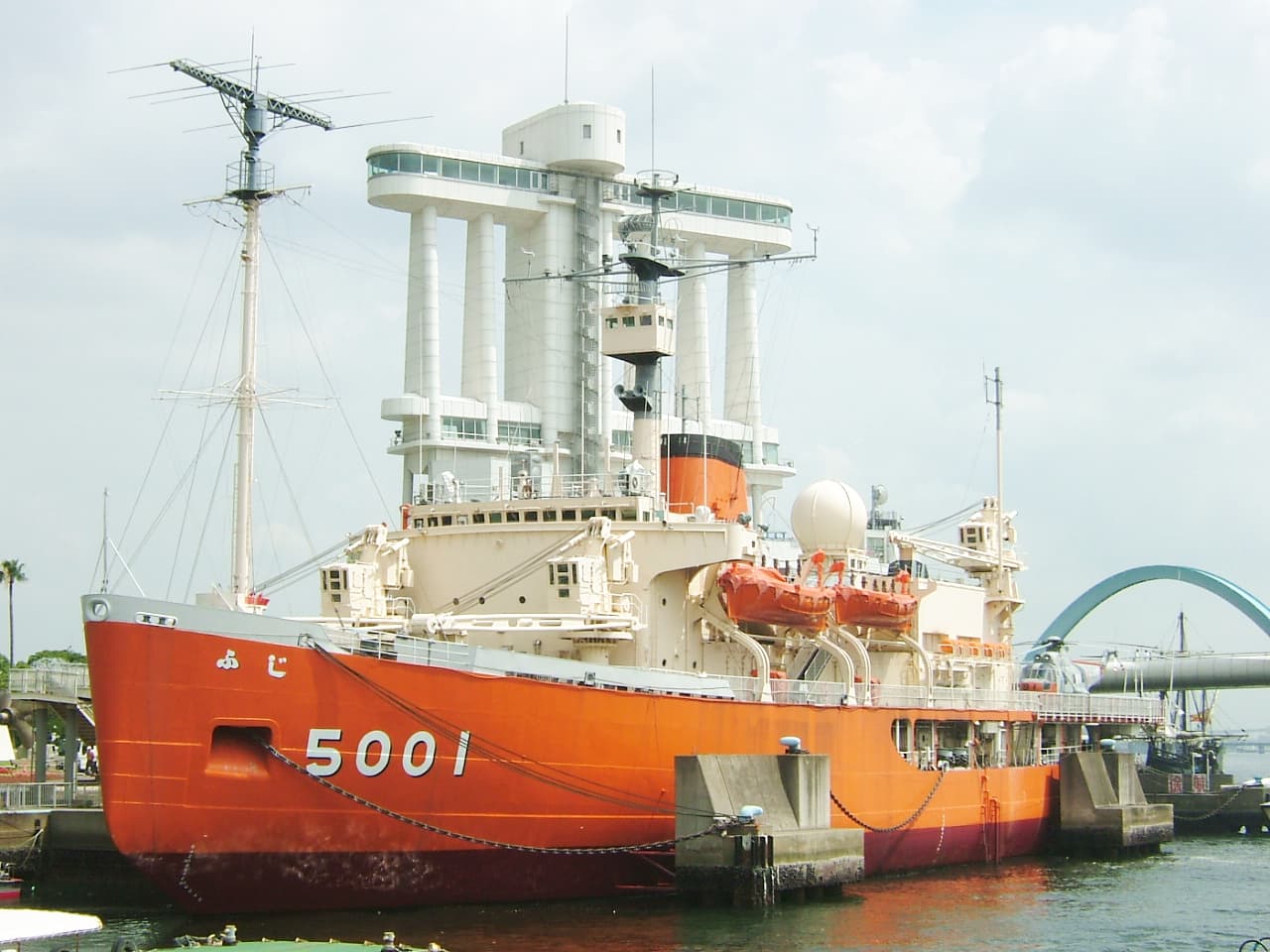
Located on the waterfront in Aichi Prefecture, the Fuji Antarctic Museum preserves the story of Japan’s mid-20th-century expeditions to the southern continent. The centerpiece is the retired icebreaker Fuji itself, which served as Japan’s first purpose-built vessel for Antarctic operations from 1965 onward. Visitors walk the decks, peer into restored cabins, and examine the reinforced hull that once forced passages through pack ice.

History of Japanese Antarctic Exploration

Japan’s involvement in Antarctica dates to the International Geophysical Year of 1957–58. The Fuji extended that presence by supporting year-round bases and supply runs. The museum documents these voyages through original logs, scientific instruments, clothing, and photographs that capture life aboard during months of isolation. Interactive displays explain ice navigation techniques and the meteorological data collected that contributed to global climate records still referenced today.

Key Exhibits and Experiences

  • Bridge and engine rooms restored to operational condition, complete with period gauges and controls
  • Scale models of Showa Station and the sequence of supply operations
  • Specimens and field equipment illustrating biological and geological research conducted on the ice
  • Multimedia presentations on the 1960s–1980s voyages, including footage shot from the crow’s nest

Getting There and Practical Planning

The museum sits within the Port of Nagoya area, easily reached by train to Nagoya Station followed by a short subway or bus ride to the waterfront. Allow at least two hours for a thorough visit, longer if you explore the adjacent port park. The site remains open throughout the year, though spring and autumn offer the mildest temperatures for strolling the decks. Combine the museum with nearby maritime attractions to make a full-day outing focused on Aichi’s industrial and exploratory heritage.

Nearby Sites Worth Adding

After touring the Fuji, the Port of Nagoya Public Aquarium and the nearby SCMAGLEV and Railway Park provide complementary perspectives on Japanese engineering. The area also connects to the broader Chubu region, making the museum a logical stop for travelers moving between Nagoya and the surrounding prefectures.

Visitor tips

  • Wear comfortable shoes with good grip; the ship's metal decks and companionways can be uneven and slippery in wet weather.
  • Visit on a weekday morning to avoid school groups and enjoy quieter time in the cabins and engine room.
  • Pair the museum with a walk along the port promenade for views of active freighters and the chance to photograph the icebreaker from multiple angles.

Frequently asked questions

How do I reach the Fuji Antarctic Museum from central Nagoya?+

Take the subway or a local bus from Nagoya Station to the port district; the museum is a short walk from the waterfront stops serving the area.

Is the Fuji Antarctic Museum suitable for children?+

Yes. The preserved ship interiors, hands-on controls in the engine room, and films of icebreaking operations engage most school-age visitors.

What is the best season to visit the museum?+

Spring and autumn provide comfortable temperatures for walking the open decks; the museum operates year-round with indoor exhibits available regardless of weather.

Can I board the actual icebreaker Fuji?+

Visitors are welcome to walk through much of the preserved vessel, including the bridge, mess areas, and selected cabins.

Are there English explanations available?+

Major exhibit panels and some audio guides include English summaries alongside the primary Japanese text.

Share
Google Maps Apple Maps Directions

Visitor info

  • Tu-Su 09:30-17:00

Official website

Contact info via © OpenStreetMap contributors · Wikidata

Image: Gnsin · CC BY-SA 3.0 · via Wikimedia Commons

Keep reading

Nearby & related

All stories
Ichibatasan Yakushiji: A Serene Temple Museum in Aichi Prefecture
Aichi Prefecture

Ichibatasan Yakushiji: A Serene Temple Museum in Aichi Prefecture

Experience the quiet spiritual atmosphere and historic Yakushi devotion at this temple complex in rural Aichi.

13 August 2026
名古屋市農業文化園: Exploring Nagoya’s Agricultural Heritage in Aichi
Aichi Prefecture

名古屋市農業文化園: Exploring Nagoya’s Agricultural Heritage in Aichi

Discover traditional farming tools, seasonal gardens, and local crop history at this engaging museum park just outside…

13 August 2026
Nagoya City Municipal Archives Museum: A Deep Dive into Aichi’s Civic History
Aichi Prefecture

Nagoya City Municipal Archives Museum: A Deep Dive into Aichi’s Civic History

Explore preserved documents, maps, and urban records that reveal Nagoya’s evolution in this specialized municipal…

13 August 2026