
Skip to content
Plan & Tour
DestinationsItinerariesTravel BlogAboutContact
0Sign inPlan a trip
Plan & TourPlan & Tour

Travel guides, destination inspiration and curated itineraries for Canada, the USA and beyond, plus a free tool to plan your own day-by-day trip.

Get travel inspiration

Explore

  • All Destinations
  • Curated Itineraries
  • Travel Blog
  • Plan a Trip

Topics

  • Hiking & Nature
  • Food & Drink
  • City Breaks
  • Budget Travel

Company

  • About Us
  • Contact
  • Privacy Policy
  • Terms of Service

© 2026 Plan & Tour. Built for travellers.

Discover the world, one trip at a time.

Fonts Ufanes: Mallorca’s Rare Intermittent Springs
  1. Home
  2. Destinations
  3. Balearic Islands
  4. Fonts Ufanes: Mallorca’s Rare Intermittent Springs
Attraction

Fonts Ufanes: Mallorca’s Rare Intermittent Springs

Explore the dramatic, rain-triggered natural springs hidden in Mallorca’s Serra de Tramuntana mountains.

Balearic IslandsUpdated 21 September 2026

What Makes Fonts Ufanes Special

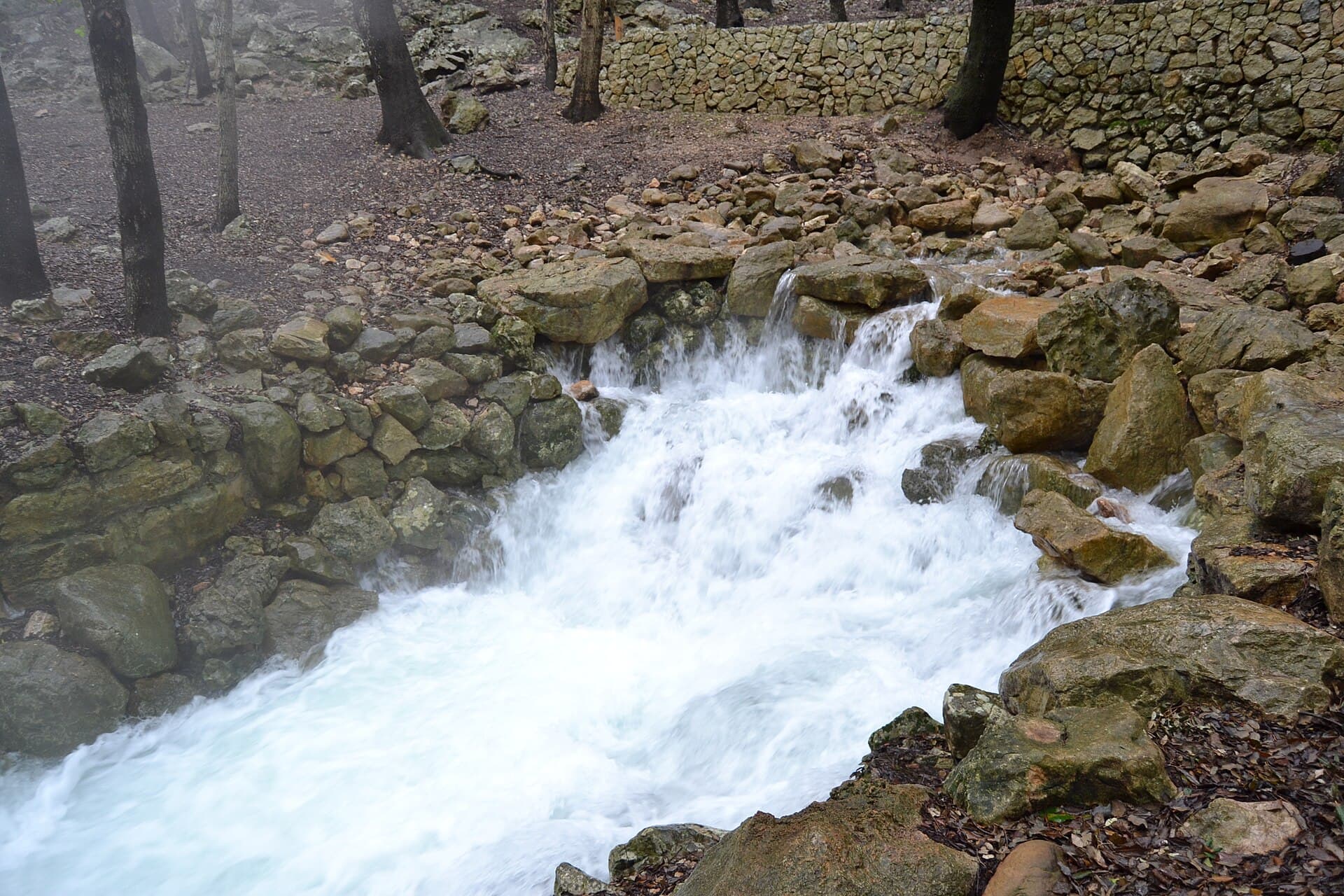
Fonts Ufanes is a protected natural monument in northern Mallorca where underground water bursts from multiple outlets after heavy rainfall. The phenomenon occurs only when the aquifer reaches capacity, turning dry stream beds into powerful cascades within hours. This rare hydrological event draws visitors seeking an authentic encounter with the island’s geology rather than crowded beaches.

Reaching the Springs

The site lies near the village of Campanet in the municipality of the same name. Most visitors arrive by car from Palma, a drive of roughly 45 minutes via the Ma-13 motorway and local roads that wind through olive groves and almond orchards. Parking is available at the trailhead, from which a gentle path leads to the main spring outlets. Public transport is limited, so renting a vehicle offers the most flexibility for combining the visit with nearby villages.

Best Time to Visit

The springs flow most reliably from late autumn through early spring following sustained rain. Clear days after storms provide the strongest visual contrast between rushing water and surrounding limestone. Summer visits are usually disappointing unless exceptional rainfall has occurred, as the outlets remain dry for months.

Walking and Observing

A well-marked circular trail takes about 90 minutes and passes several spring points, a small interpretive panel explaining the karst system, and viewpoints over the valley. Wear sturdy shoes; the path includes rocky sections that become slippery when water is flowing. Photographers should arrive in the morning when light filters through the trees onto the white water. Silence is part of the experience—keep voices low so the sound of emerging springs remains audible.

Nearby Attractions

  • Coves de Campanet: Guided tours of modest but beautifully lit stalactite caves just a few minutes’ drive away.
  • Alcúdia old town: Walled medieval centre with weekly market and Roman ruins, ideal for lunch after the springs.
  • Port de Pollença: Coastal promenade and beach for those extending the day toward the sea.

Combining Fonts Ufanes with these sites creates a balanced day that showcases Mallorca’s contrasting landscapes from mountain aquifer to Mediterranean shore.

Visitor tips

  • Check recent rainfall reports before travelling; the springs only appear after significant precipitation.
  • Arrive early on weekends to secure parking and enjoy the site with fewer visitors.
  • Bring water and a light jacket; temperatures drop quickly in the shaded valley even on warm days.

Frequently asked questions

How often do the springs actually flow?+

Flow depends entirely on rainfall; they may activate several times each winter but can stay dry for long periods in summer or drought years.

Is there an entrance fee or opening hours?+

Access is free and the site remains open at all times, though visitors are encouraged to respect the natural monument rules and stay on marked paths.

Can I swim or get close to the water?+

Swimming is not permitted; the water is cold, the current strong when flowing, and the area is protected to preserve the ecosystem.

Are the trails suitable for children or older visitors?+

The main path is relatively easy but includes uneven rock; families with small children or those with mobility concerns should assess conditions on arrival.

What should I do if the springs are not flowing?+

Enjoy the dramatic dry limestone formations and combine the trip with the nearby caves or coastal towns for a rewarding day regardless.

Share
Google Maps Apple Maps Directions

Image: Mirkaah · CC BY-SA 3.0 · via Wikimedia Commons

Keep reading

Nearby & related

All stories
T
Balearic Islands

The Statue of James I of Aragon in Palma de Mallorca

Stand before the bronze monument to the king who conquered Mallorca and shaped the island’s medieval identity.

26 September 2026
M
Balearic Islands

Mirador del Centenari del Foment: Panoramic Views Over Mallorca’s Tramuntana Mountains

This secluded viewpoint delivers sweeping vistas of rugged peaks, olive terraces, and the Mediterranean from the heart…

26 September 2026
M
Balearic Islands

Mirador des Salt de la Bella Dona: Dramatic Cliffside Views in Mallorca’s Tramuntana

This secluded viewpoint reveals plunging gorges, terraced valleys, and distant sea horizons in the heart of the Serra de…

26 September 2026