The Story Behind Fonderia di Ferdinandea
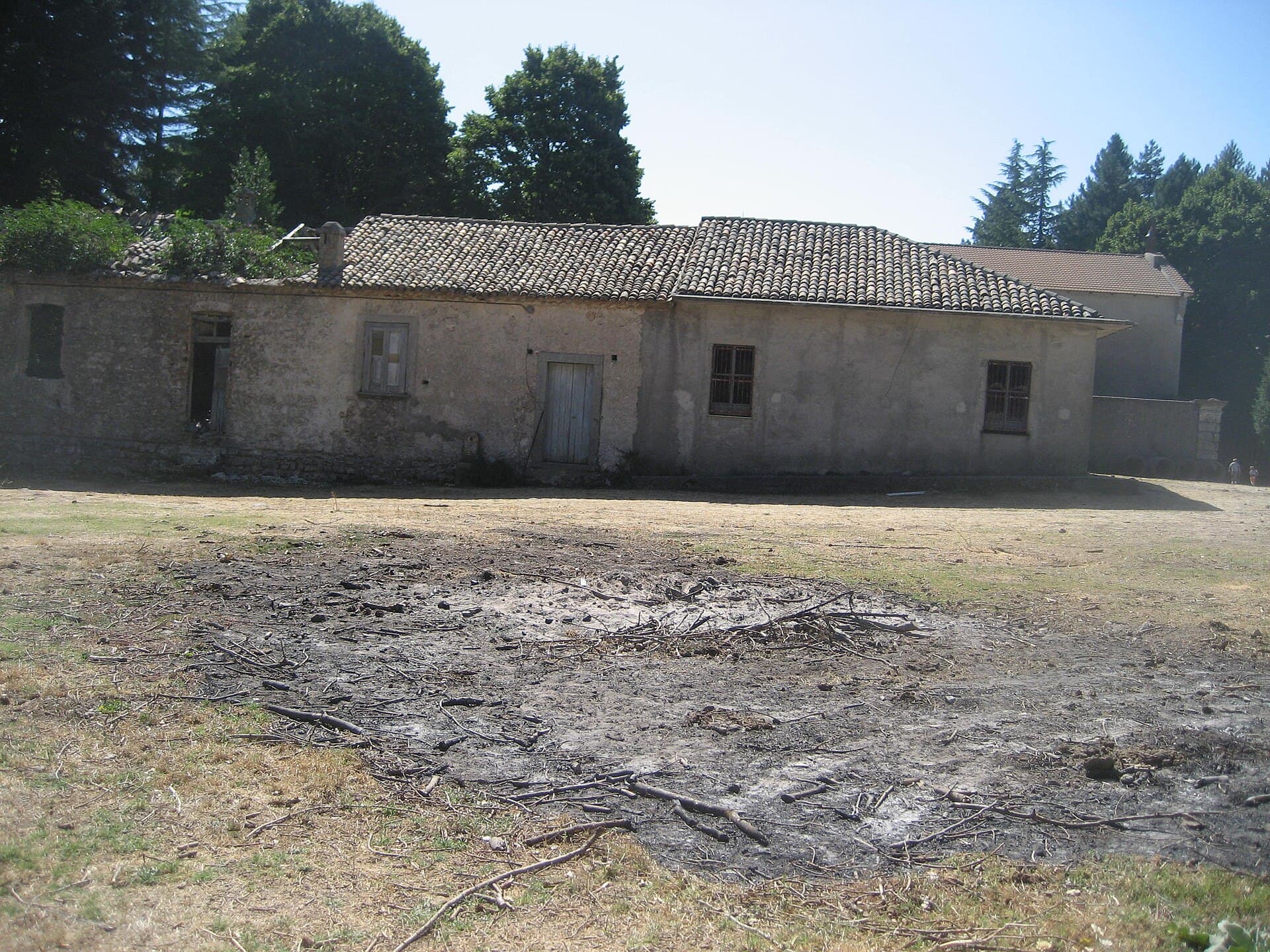
Built in 1841 under King Ferdinand II of the Two Sicilies, Fonderia di Ferdinandea was established to smelt iron ore from nearby deposits using charcoal from the surrounding forests. The site operated for only a few decades before economic and logistical challenges led to its closure, leaving behind a rare example of early industrial archaeology in southern Italy.
What to See and Do
Visitors follow a short woodland path to reach the main structures. The most striking feature is the tall stone blast furnace, its arched openings and brick-lined interior still visible amid moss and ivy. Scattered around are the foundations of the charging platform, workers’ quarters, and water channels that once powered the bellows. Interpretive panels explain the production process, while the quiet forest setting makes the ruins feel especially evocative.
Hiking and Photography
Many travelers combine the visit with longer walks on the marked trails of Parco Naturale Regionale delle Serre. The contrast between the crumbling industrial remains and the dense oak and chestnut woods offers striking photo opportunities, especially in autumn when foliage turns golden.
How to Get There
The site lies along a forest road between Bivongi and Placanica. Most visitors drive to a small parking area and walk the final 15–20 minutes on a gently descending track. Public transport is limited, so a rental car or organized tour from the Ionian coast is the most practical option. The coordinates place it roughly halfway between the towns of Stignano and Monasterace.
Best Time to Visit
Spring and early autumn provide the most comfortable temperatures for walking and the clearest light for photography. Summer visits are possible but require plenty of water and sun protection, as the path offers little shade. Winter brings cooler, sometimes misty conditions that enhance the mysterious atmosphere of the ruins.
Nearby Attractions
After exploring the foundry, many travelers continue to the seaside archaeological park at Locri Epizefiri or the dramatic cliffs of the Costa dei Gelsomini. Inland, the medieval village of Stilo and the Carafa Castle offer further insight into Calabria’s layered history. The Serre mountains themselves contain several other minor industrial and monastic sites worth discovering on the same trip.