
Epizephyrian Locris: Exploring the Ancient Greek Colony Ruins in Locri, Calabria
Wander the well-preserved remains of one of Magna Graecia’s most influential city-states along Italy’s Ionian coast.
Introduction to Epizephyrian Locris
Founded in the late seventh century BC by Greek colonists from Lokris, Epizephyrian Locris became a powerful maritime city controlling fertile plains and trade routes along the Ionian Sea. Today its extensive archaeological zone lies just south of modern Locri, offering visitors a tangible connection to classical Greek urban planning, religious life, and defensive architecture in southern Italy.
What to See and Do
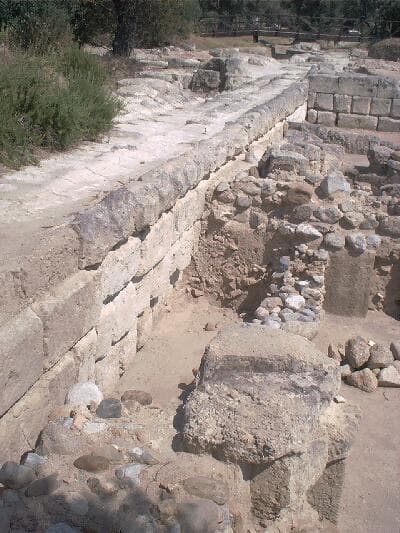
The site stretches across several distinct areas. Begin at the massive city walls, which still stand several meters high in places and demonstrate sophisticated Hellenistic engineering. The theater, carved into a hillside with seating for thousands, remains one of the best-preserved examples in Calabria. Nearby, the Sanctuary of Persephone reveals foundations of temples and altars tied to the city’s famous cult practices. Further exploration leads to the agora and residential quarters where mosaics and drainage systems illustrate daily life. Allow at least two hours for a thorough walk; paths are mostly level but can be uneven.
Practical Exploration Tips on Site
- Follow the marked circuit that begins near the museum and loops through the walls, theater, and sanctuaries.
- Look for informational panels in Italian and English that explain the layout without needing a guide.
- Combine your visit with the nearby archaeological museum in Locri, which houses statues, terracotta votives, and inscriptions recovered from the site.
How to Get There
Epizephyrian Locris sits roughly three kilometers south of Locri town center. Travelers arriving by train can disembark at Locri station and take a short taxi or local bus south along the coastal road. Those driving from Reggio Calabria will find the site well signposted off the SS106; parking is available near the entrance. The location makes an easy half-day excursion when combined with stops in Gerace or along the Costa dei Gelsomini.
Best Time to Visit
Spring (April–June) and autumn (September–October) offer the most comfortable temperatures for walking the open ruins. Summer brings intense sun and occasional strong winds off the sea, while winter rains can make paths muddy. Early morning visits avoid both heat and any organized school groups.
Nearby Attractions
Just inland, the hilltop village of Gerace features a Norman cathedral and Byzantine churches worth exploring the same day. Southward along the coast, the seaside town of Roccella Ionica offers fresh seafood and a relaxed atmosphere after a morning among the ruins. For a deeper look at Greek Calabria, the sites of Caulonia and ancient Kaulon lie farther north but can be reached in under an hour by car.
Visitor tips
- Wear sturdy shoes with good grip, as the terrain includes gravel paths, ancient paving stones, and occasional slopes.
- Bring water and sun protection; the site offers little shade outside the theater area.
- Visit the adjacent archaeological museum first to understand the artifacts in context before walking the open ruins.
Frequently asked questions
How long does it take to visit Epizephyrian Locris?
Most visitors spend two to three hours walking the main areas, with extra time recommended if combining the visit with the museum.
Is Epizephyrian Locris accessible for visitors with mobility issues?
The main paths are relatively flat, but some sections feature uneven stones or gravel; visitors with limited mobility may need assistance on the theater slope.
Can I visit Epizephyrian Locris without a guide?
Yes, clear signage and a logical circuit allow independent exploration; guided tours are available seasonally but not required.
What should I wear when visiting the archaeological site?
Comfortable walking shoes, a hat, and layers are recommended, as the site is fully exposed to the elements.
Are there facilities like restrooms or cafu00e9s at Epizephyrian Locris?
Basic restrooms are available near the entrance; for food and drinks, head into Locri town, a short drive away.