
El Mutún: Bolivia’s Massive Iron Mountain on the Edge of the Pantanal
Climb the vast iron-rich slopes of El Mutún for sweeping views over wetlands where Bolivia meets Brazil.
Why Visit El Mutún
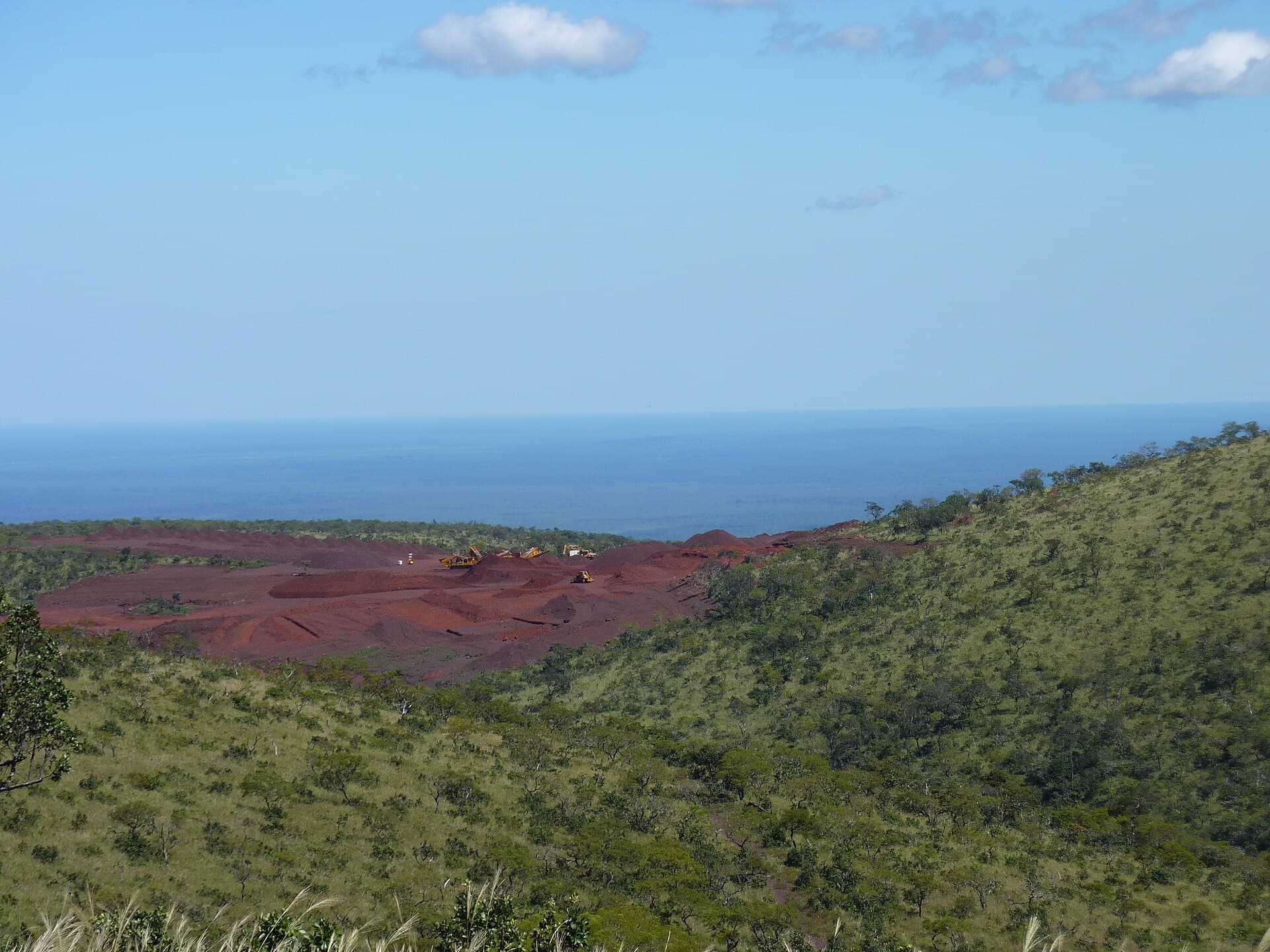
El Mutún rises as a broad, iron-stained hill in Germán Busch Province, holding one of the world’s largest known iron-ore reserves. Its reddish slopes contrast sharply with the surrounding green wetlands of the Bolivian Pantanal, creating a striking landscape that draws geologists, birdwatchers, and travelers seeking remote natural scenery.
Getting There
The nearest town with regular transport is Puerto Suárez, reachable by bus or small plane from Santa Cruz de la Sierra. From Puerto Suárez, local drivers or taxis can take visitors along unpaved roads to the base of the mountain. The final approach often requires a high-clearance vehicle or short hike, especially after rain. Travelers crossing from Corumbá, Brazil, can arrange onward transport at the border.
What to See and Do
Hiking the lower slopes reveals exposed iron formations and wide vistas across the Pantanal floodplain. Early morning visits offer the best chance to spot capybaras, caimans, and wading birds along nearby waterways. Guided walks with local residents provide insight into traditional land use and the mountain’s geological history without entering active mining zones. Photography from the upper viewpoints captures the contrast between rust-colored rock and endless marshes.
Best Time to Visit
The dry season from May through October brings clearer skies and firmer ground, making access easier and wildlife more visible around waterholes. The wet months of December to March turn roads muddy and can limit movement, though they transform the surrounding wetlands into a vast mirror of reflected sky.
Nearby Attractions
Just beyond El Mutún lie the seasonal lakes and river channels of the Pantanal, where boat trips reveal abundant birdlife and occasional jaguar tracks. The border town of Puerto Suárez offers basic lodging, while the larger Brazilian city of Corumbá provides additional services and river excursions into the greater Pantanal ecosystem.
Visitor tips
- Carry plenty of water and sun protection, as shade is scarce on the open slopes.
- Hire a local driver familiar with the access roads rather than attempting the route in a standard rental car.
- Stay on established paths to avoid restricted mining areas and respect private concessions.
Frequently asked questions
Is El Mutu00fan suitable for hiking?
The lower slopes offer moderate walks with rewarding views, but there are no marked trails or facilities; visitors should go with a local guide.
Can I visit El Mutu00fan without a car?
Public transport reaches Puerto Suu00e1rez, but onward travel to the mountain requires arranging a private driver or tour from town.
Are there any facilities at El Mutu00fan?
No services exist on the mountain itself; plan to carry all supplies and return to Puerto Suu00e1rez for lodging and meals.
Is El Mutu00fan safe for solo travelers?
The area is remote; traveling with a local guide or small group is strongly recommended for safety and navigation.
What should I wear when visiting El Mutu00fan?
Sturdy closed-toe shoes, long sleeves, and a hat are essential to handle rocky terrain, sun exposure, and occasional thorny vegetation.