
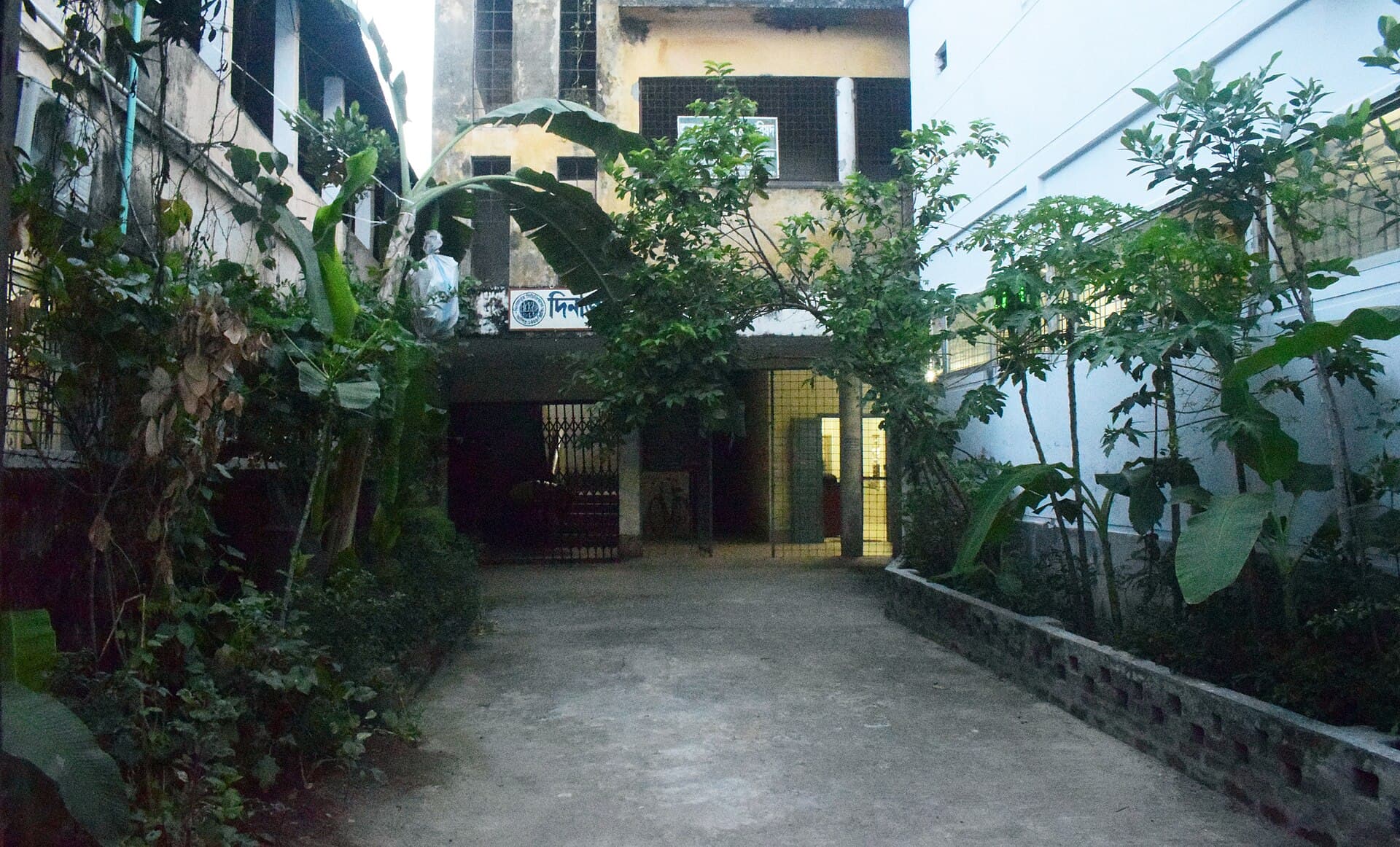
Dinajpur Museum: Exploring Northern Bangladesh’s Archaeological Heritage
Discover ancient sculptures, terracotta artifacts, and regional history at this key museum in Dinajpur District.
Why Dinajpur Museum Matters
Dinajpur Museum preserves a focused collection of archaeological finds from northern Bangladesh, spanning Hindu-Buddhist periods through the medieval era. The displays emphasize local discoveries rather than national overviews, giving visitors a clear sense of how the fertile Barind Tract shaped early settlements, trade routes, and artistic traditions in the region.
Key Collections and Galleries
The museum arranges its holdings by material and period. Stone sculptures include Vishnu and Surya figures recovered from nearby mound sites, while terracotta plaques illustrate daily life and mythological scenes from the 8th to 12th centuries. Metal objects such as bells, coins, and ritual implements demonstrate bronze-working skills that once supported both temples and households. Inscriptions on stone and copper plates provide primary evidence of land grants and local governance under the Pala and Sena dynasties.
Practical Layout for Visitors
Galleries proceed chronologically, beginning with prehistoric tools and ending with early Islamic-era ceramics. Most exhibits sit at eye level, and explanatory panels appear in both Bengali and English. A small courtyard garden displays larger architectural fragments too large for indoor display.
Getting There and Getting Around
Dinajpur town lies on the main rail line from Dhaka; trains stop at Dinajpur Railway Station, from which rickshaws or local buses reach the museum in under fifteen minutes. Travelers arriving by road from Saidpur Airport can continue by hired car or shared microbus. Within the district, the museum serves as a logical base for day trips to outlying archaeological sites.
Best Time to Visit
November through February offers the most comfortable temperatures for walking between the museum and nearby monuments. The dry season also reduces the chance of sudden downpours that can affect outdoor exhibits in the courtyard. Monsoon months bring higher humidity and occasional flooding on approach roads, so plan extra travel time if visiting between June and September.
Nearby Attractions Worth Combining
- Ramsagar National Park, with its large reservoir and forested embankments, lies a short drive north and pairs well with a half-day museum visit.
- Kantajew Temple, an 18th-century terracotta-covered Hindu temple, showcases the same artistic traditions seen in the museum’s plaques.
- Local markets in Dinajpur town offer seasonal produce and handloom textiles, providing insight into contemporary life in the Barind region.
Visitor tips
- Allow at least ninety minutes to read the labels and examine details in each gallery; rushing reduces the value of the focused collection.
- Carry water and wear sun protection if you plan to combine the museum with visits to outdoor sites like Ramsagar, where shade is limited.
- Ask staff about recent acquisitions or conservation work; they often share updates not yet reflected in printed materials.
Frequently asked questions
How long should I plan to spend at Dinajpur Museum?
Most visitors complete the main galleries in one to two hours, though those interested in inscriptions or comparative sculpture may stay longer.
Is the museum accessible for visitors with mobility needs?
Ground-floor galleries are level, but some larger stone pieces sit on slightly raised platforms; a companion can assist with short steps.
Can I photograph the exhibits?
Photography without flash is generally permitted for personal use, but always confirm with staff near each gallery as policies can change for temporary loans.
Are guided tours available?
Staff members can provide informal explanations in Bengali or English when not occupied with other duties; formal tours are not regularly scheduled.
What else is worth seeing on the same day?
Ramsagar National Park and Kantajew Temple are both reachable within an hour by local transport, making a combined itinerary feasible.