
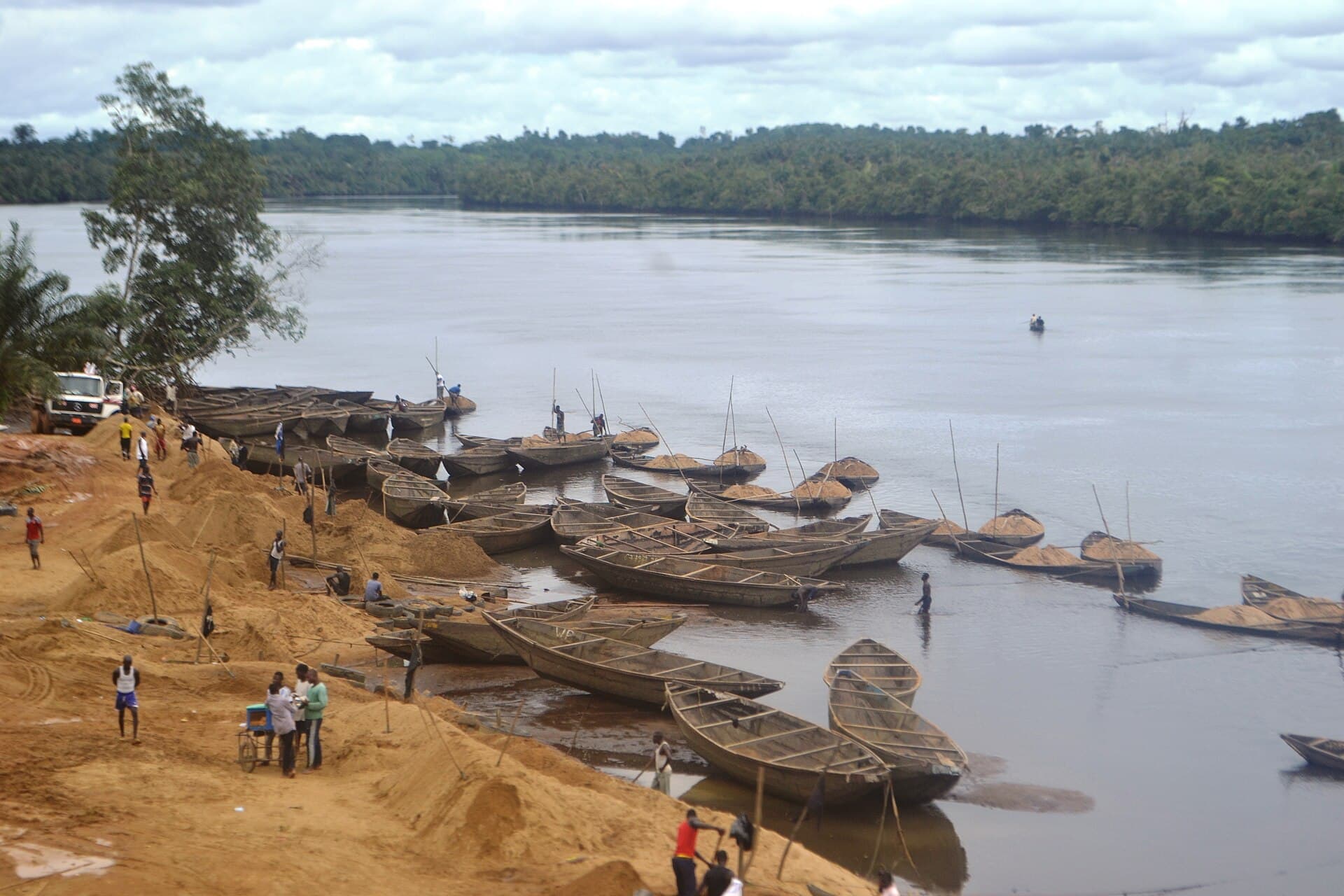
Dibamba River: Exploring Cameroon’s Coastal Waterway in the Littoral Region
A practical guide to the Dibamba River's mangroves, wildlife, and access from Douala.
Why the Dibamba River Stands Out
The Dibamba River flows through Cameroon’s Littoral Region, emptying into the Atlantic near Douala. Its lower reaches feature extensive mangrove forests that shelter crabs, fish, and migratory birds while supporting small-scale fishing communities. Visitors come for the quiet contrast to Douala’s bustle, with opportunities to observe estuarine ecosystems up close.
Getting There
Most travelers start from Douala, roughly 20 kilometers northeast of the city center. Shared taxis or private cars reach riverside villages along the main road toward Yassa or Bomono. From those points, local pirogues provide the only practical way onto the water. Arrange transport early in the day to allow time for return before dark.
Best Time to Visit
The drier months from November through February offer lower water levels and clearer skies, making boat travel and birdwatching more comfortable. Heavy rains from June to October swell the river and limit visibility, though they bring fewer visitors and dramatic green landscapes.
Activities on and Around the River
Guided canoe trips reveal mangrove channels where herons and kingfishers hunt. Some operators stop at fishing villages where visitors can watch traditional net-mending or buy fresh catch. Short hikes along the banks pass through secondary forest patches that host monkeys and colorful butterflies. Photography is rewarding at sunrise when mist hangs over the water.
Nearby Destinations
After a river outing, many continue to Douala’s port markets or the Wouri River bridge for views of larger vessels. Further afield, day trips reach the beaches at Limbe or the base of Mount Cameroon, both within a few hours by road.
Practical Considerations
Bring insect repellent and light rain gear regardless of season. Respect local fishing zones and ask permission before photographing people or homes. Cash is essential, as card facilities are rare along the river.
Visitor tips
- Arrange a local boat operator in advance through Douala hotels or trusted drivers to avoid unreliable roadside offers.
- Travel with a small group or guide for safety when exploring remote mangrove channels.
- Carry drinking water and snacks, as riverside villages have limited supplies for visitors.
Frequently asked questions
How long does it take to reach the Dibamba River from Douala?
The drive to riverside access points usually takes 45 to 90 minutes depending on traffic and the exact village chosen.
Are there organized tours of the Dibamba River?
A few Douala-based operators run half-day canoe excursions; independent travelers can also hire pirogues directly at the river.
What wildlife might I see along the river?
Expect herons, egrets, kingfishers, and crabs in the mangroves; monkeys and larger birds appear in adjacent forest patches.
Is the water safe for swimming?
Strong currents, tidal changes, and occasional pollution make swimming inadvisable; most visitors stay in boats.
Do I need a visa or special permit to visit the Dibamba area?
A standard Cameroonian tourist visa covers the Littoral Region; no additional river-specific permits are required for short visits.