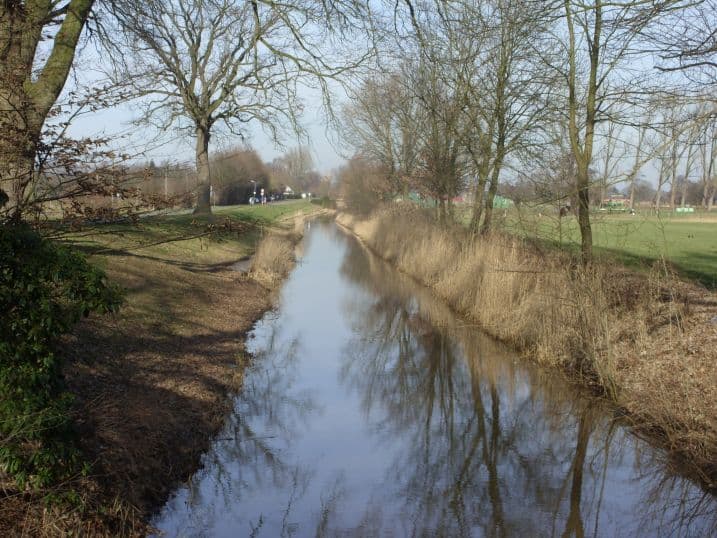
Why Deichschloot Stands Out
Deichschloot winds through the flat countryside on the edge of Bremen, offering a classic northern German river landscape of dikes, meadows, and reed beds. Its name reflects the region’s history of water management, where schloots once drained farmland while protecting it from floods. Today the river provides a linear green corridor popular with locals who seek calm walks without traveling far from the city.
Things to See and Do
Follow the well-maintained path that runs along both banks. The route passes traditional farmsteads, small bridges, and occasional pumping stations that hint at the area’s agricultural roots. Birdwatchers often spot herons, kingfishers, and migratory geese, especially in the early morning. Cyclists appreciate the flat terrain; the path connects to longer routes that eventually reach the Weser River. In spring, wildflowers line the verges, while autumn brings colorful foliage and quieter conditions.
Best Time to Visit
Late spring through early autumn delivers the most pleasant weather for walking or cycling. Summer evenings stay light until late, allowing extended outings. Winter visits are possible but can be muddy or windy; the open landscape offers dramatic skies and fewer people.
How to Get There
From central Bremen, take the regional train or bus toward the southern outskirts and alight near the village of Leeste or Brinkum, then follow local signage or a cycling app for the final short stretch. Drivers will find informal parking areas beside farm roads. The river lies roughly 15 kilometers south of the city center, making it an easy half-day trip by bike on dedicated paths.
Nearby Attractions
Combine a visit with the Weser promenade in Bremen or the landscaped gardens at nearby Gut Holzhausen. The route also links to the larger Radfernweg Weser cycling network for longer tours.