
Cueva de los Casares: Prehistoric Engravings in Rural Spain
Discover Paleolithic art and quiet landscapes at this lesser-known cave near Riba de Saelices in Castile–La Mancha.
Why Cueva de los Casares Matters
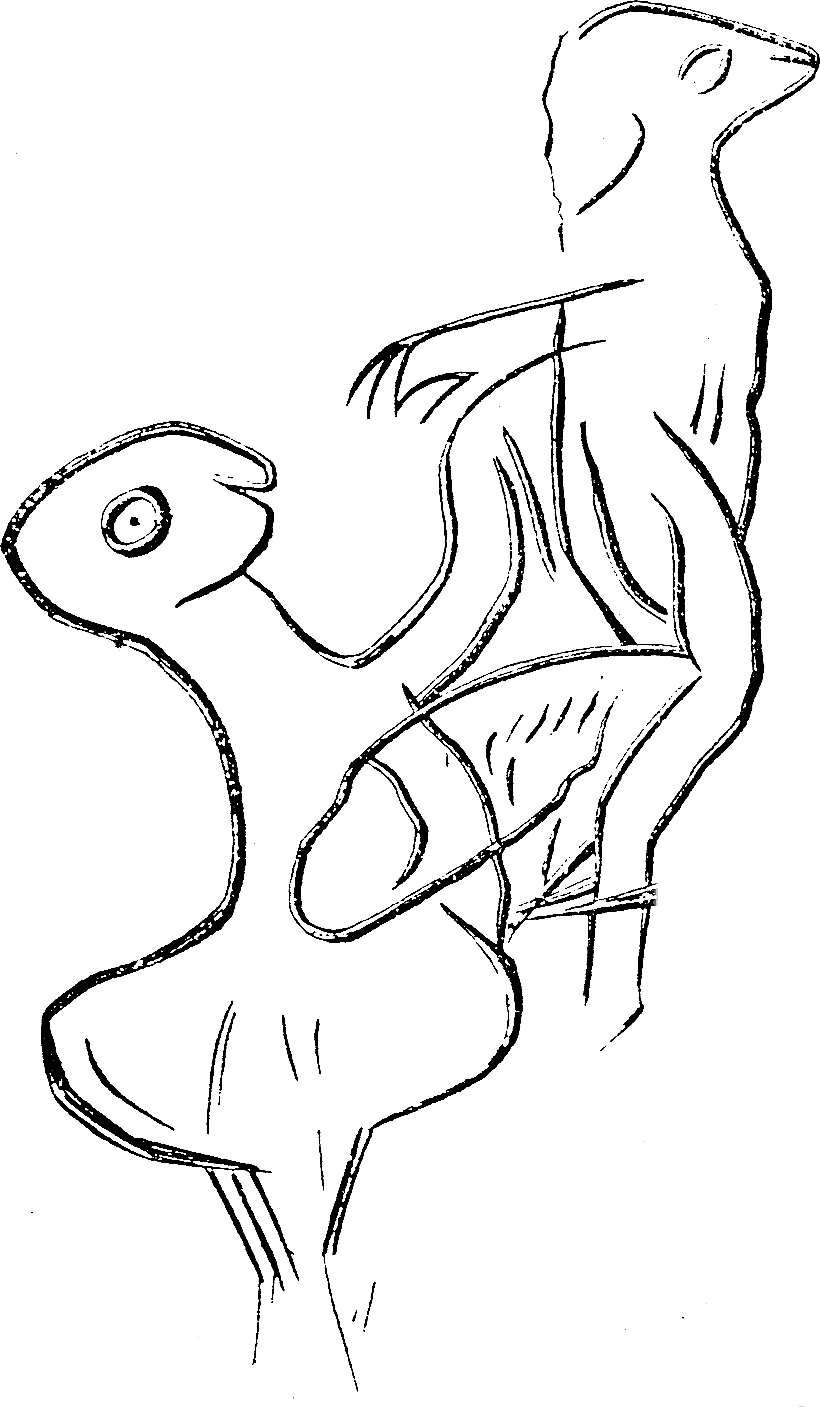
Hidden in the hills of Guadalajara province, Cueva de los Casares preserves one of the most important collections of Upper Paleolithic engravings in central Spain. Visitors descend into a limestone chamber where panels of incised animals, human figures, and abstract signs offer a direct connection to people who lived here more than 15,000 years ago. The cave’s relative isolation has helped protect its art from the crowds that gather at better-known sites farther north.
What You Will See Inside
Guided walks follow a short, well-lit path through the main gallery. The most striking images include detailed profiles of horses, stags, and aurochs, along with rare anthropomorphic figures that some researchers interpret as early representations of ritual or daily life. Lighting is kept low to protect the surfaces, so take time to let your eyes adjust and look for the fine lines created by stone tools. A small interpretive panel near the entrance explains the sequence of artistic styles without overwhelming the visitor.
Practical Details for the Visit
Access is by guided tour only; groups are kept small to preserve the delicate environment. Wear sturdy shoes with good grip, as the floor is uneven and can be damp. The temperature inside stays cool year-round, so a light jacket is useful even in summer. Photography without flash is usually permitted, but check with the guide on arrival.
Best Time to Visit
Spring and autumn bring mild weather that makes the drive and short walk from the parking area comfortable. Summer visits are possible but plan for midday heat on the approach road. Winter tours may be cancelled after heavy rain because the path can become slippery. Weekday mornings tend to be quieter than weekends.
How to Get There
The cave lies just outside the village of Riba de Saelices. Most visitors arrive by car via the CM-202 from Guadalajara or the A-2 motorway from Madrid. Public transport is limited; a taxi from the nearest train station in Sigüenza is a practical option for those without a vehicle. Once in the village, clear directional signs lead to the cave entrance and parking area.
Nearby Places Worth Combining
The surrounding Alto Tajo Natural Park offers hiking trails with dramatic river gorges and pine forests. The medieval town of Sigüenza, with its castle-parador and cathedral, lies about 30 minutes away by road and makes an easy base for a longer stay. Smaller Romanesque churches and traditional villages dot the countryside, giving a sense of the region’s layered history beyond the cave itself.
Visitor tips
- Reserve your place on a guided tour in advance, especially during spring and autumn weekends when local visitors increase.
- Carry a small flashlight or use your phoneu2019s light to examine details on the lower panels once the guide points them out.
- Combine the visit with a meal in Riba de Saelices or Sigu00fcenza; few dining options exist directly at the cave.
Frequently asked questions
Do I need a guide to enter Cueva de los Casares?
Yes, all visits are conducted by official guides who control access and provide context for the engravings.
How long does a typical visit last?
The underground tour itself takes roughly 45 minutes, plus time for the short walk from the parking area.
Is the cave suitable for children?
Older children who can walk steadily on uneven surfaces usually manage well; very young children may find the low light and confined space unsettling.
What should I wear?
Comfortable closed shoes with non-slip soles and a light jacket are recommended regardless of the season outside.
Are there any restrictions on bags or tripods?
Large bags and tripods are not permitted inside to protect the narrow passages and artwork.