Why Visit Cristo Rey
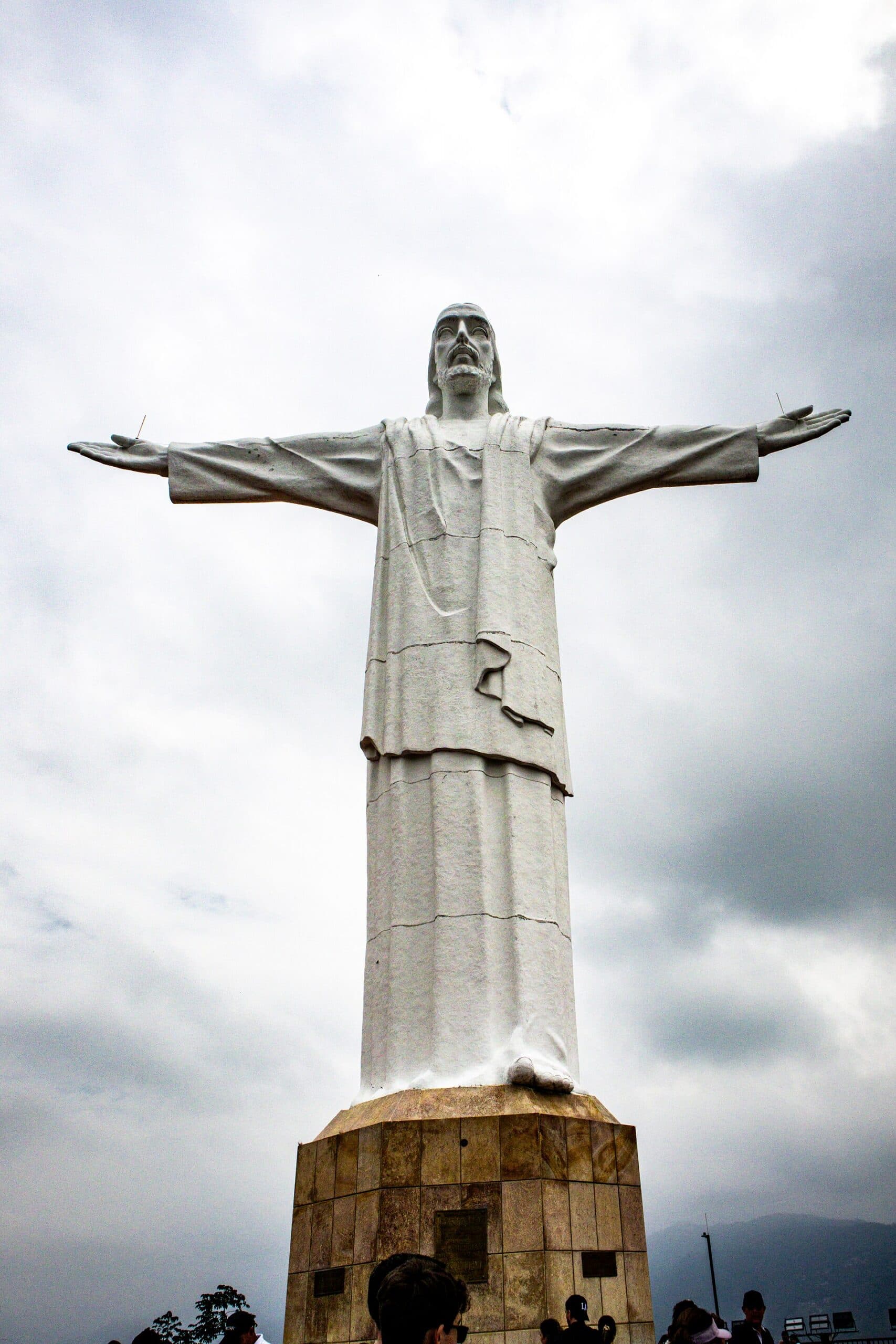
Atop a prominent hill in southern Cali, the 26-meter Cristo Rey statue stands as both a religious symbol and an unbeatable vantage point over the city and the fertile Cauca Valley. Completed in the mid-20th century, the reinforced-concrete figure with outstretched arms draws locals and visitors seeking panoramic vistas that stretch to the distant mountains on clear days.
What to See and Do
The main draw is the statue itself, framed by well-kept gardens and low stone walls that serve as natural seating for photos or quiet contemplation. Walk the short circular path around the base for different angles against the skyline. Sunrise and late-afternoon light are especially dramatic, when the valley below glows and the surrounding eucalyptus trees cast long shadows. Bring binoculars to spot neighborhoods, the airport, and the snaking river far below.
Getting There
Most visitors arrive by taxi or rideshare from central Cali, a 20- to 30-minute climb depending on traffic. The winding road passes through quiet residential areas and offers occasional glimpses of the statue before the final ascent. Those who prefer exercise can hike the signed trail that starts near the base of the hill; the path is steep but shaded and takes about 45 minutes one way. Public buses run to the lower neighborhoods, after which a short taxi ride completes the journey.
Best Time to Visit
The dry months from December through March generally provide the clearest skies and safest road conditions. Early morning visits avoid both the midday sun and the occasional afternoon clouds that can obscure the view. Weekdays are quieter than weekends, when families and religious groups gather.
Nearby Attractions
After descending, combine the visit with a stop at the nearby Parque del Ingenio or the green spaces along the Cali River. The statue also serves as a gateway to further exploration of southern Cali’s residential hills and weekend markets. For a fuller day, continue toward the historic center to experience the city’s famous salsa culture and colonial architecture.