Skip to content
Plan & Tour
DestinationsItinerariesTravel BlogAboutContact
0Sign inPlan a trip
Plan & TourPlan & Tour

Travel guides, destination inspiration and curated itineraries for Canada, the USA and beyond, plus a free tool to plan your own day-by-day trip.

Get travel inspiration

Explore

  • All Destinations
  • Curated Itineraries
  • Travel Blog
  • Plan a Trip

Topics

  • Hiking & Nature
  • Food & Drink
  • City Breaks
  • Budget Travel

Company

  • About Us
  • Contact
  • Privacy Policy
  • Terms of Service

© 2026 Plan & Tour. Built for travellers.

Discover the world, one trip at a time.

Coves d’Artà: Mallorca’s Dramatic Limestone Cathedral
  1. Home
  2. Destinations
  3. Balearic Islands
  4. Coves d’Artà: Mallorca’s Dramatic Limestone Cathedral
Attraction

Coves d’Artà: Mallorca’s Dramatic Limestone Cathedral

Descend into one of the Balearic Islands' most spectacular cave systems to witness towering stalagmites and vast chambers shaped over millions of years.

Balearic IslandsUpdated 21 September 2026

Introduction to Coves d’Artà

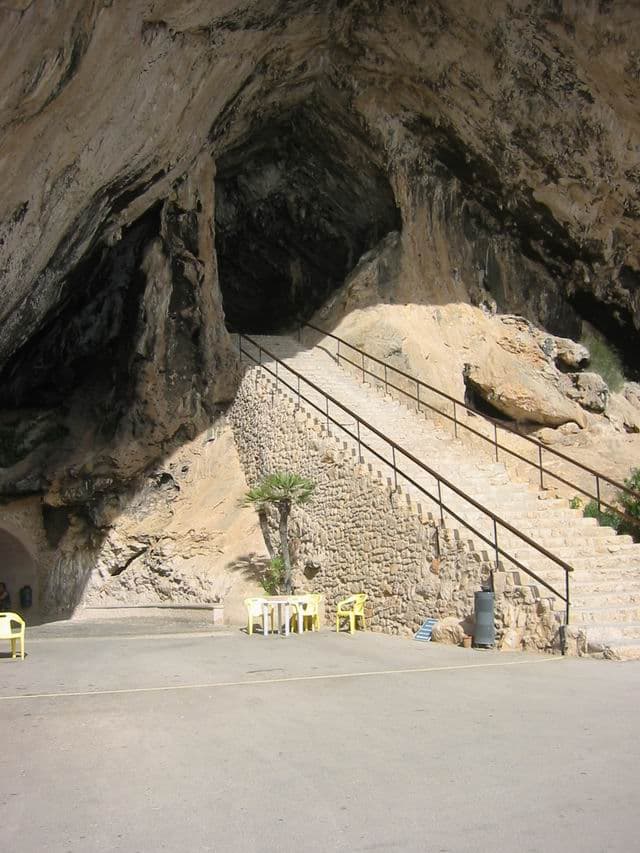
Located on Mallorca’s rugged northeastern coast near the town of Artà, Coves d’Artà showcase the island’s dramatic karst geology. These ancient sea caves, carved by waves and later enlarged by rainwater, feature an immense main chamber and intricate mineral formations that draw visitors seeking a cooler, otherworldly contrast to the sunlit Mediterranean above.

Geological Highlights Inside the Caves

The caves formed when the sea level dropped, leaving behind passages now filled with stalactites, stalagmites, and delicate helictites. The largest chamber rises high enough to evoke a natural cathedral, with columns formed where stalactites and stalagmites meet over millennia. Subtle lighting reveals the varied textures and colors of the limestone, from creamy whites to iron-tinted reds, without overwhelming the natural setting.

Key Formations to Observe

  • The “Queen’s Chamber” with its towering central column resembling a throne.
  • Thin, translucent curtains of calcite that allow light to filter through.
  • Clusters of delicate soda straws hanging from the ceiling in protected alcoves.

Getting There and Practical Access

Most visitors arrive by car from Palma, following the coastal road via Can Picafort and then inland to Artà. The site sits on a hillside with parking available nearby; from there a short, shaded path leads to the entrance. Public buses connect Artà with nearby coastal towns, though renting a vehicle offers more flexibility for combining the visit with beaches or hill towns. The approach rewards travelers with sweeping views over the Bay of Alcúdia.

Best Time to Visit

Spring and autumn provide the most comfortable conditions, avoiding summer heat outside the caves and winter humidity inside. These shoulder seasons also mean fewer crowds, allowing time to absorb the scale and silence of the chambers. Early morning arrivals align well with cooler temperatures and the chance to experience the formations before larger groups enter.

Nearby Attractions Worth Combining

After exploring the caves, the medieval hilltop village of Artà offers narrow streets, a hilltop sanctuary, and local markets. Just minutes away lie the beaches of Cala Ratjada and the lighthouse at Cap de Capdepera. Further south, the Parc Natural de la Península de Llevant provides hiking trails through pine forests and coastal cliffs, creating a full day that balances underground exploration with open-air scenery.

Visitor tips

  • Wear sturdy, closed-toe shoes with good grip, as the cave floors can be uneven and slightly damp in places.
  • Bring a light layer even in summer; the constant underground temperature feels noticeably cooler than the surface.
  • Allow extra time before or after your visit to enjoy the panoramic coastal views from the hillside entrance area.

Frequently asked questions

How long does a typical visit to Coves d'Artu00e0 last?+

Most visitors spend 45 to 60 minutes inside, though the experience can be extended by lingering in the main chamber to appreciate the scale.

Is Coves d'Artu00e0 suitable for children?+

Yes, the walk is straightforward with handrails in steeper sections, making it accessible for most families, though very young children may need to be carried on uneven stretches.

Are guided tours available and in what languages?+

Staff-led tours run regularly and are offered in several languages including Spanish, English, German, and French to accommodate international visitors.

What should I do if I have mobility concerns?+

The main route includes some steps and slopes; visitors with limited mobility should check current accessibility details directly with the site before traveling.

Can I combine a visit with other caves in Mallorca?+

Many travelers pair Coves d'Artu00e0 with the nearby Coves del Drach on the same day, as both lie on the eastern side of the island and showcase different geological features.

Share
Google Maps Apple Maps Directions

Visitor info

  • May-Oct: 10:00-18:00
  • Nov-Apr: 10:00-17:00

+34 971 841 293

Official website

Contact info via © OpenStreetMap contributors

Image: The original uploader was Pr at German Wikipedia. · Public domain · via Wikimedia Commons

Keep reading

Nearby & related

All stories
T
Balearic Islands

The Statue of James I of Aragon in Palma de Mallorca

Stand before the bronze monument to the king who conquered Mallorca and shaped the island’s medieval identity.

26 September 2026
M
Balearic Islands

Mirador del Centenari del Foment: Panoramic Views Over Mallorca’s Tramuntana Mountains

This secluded viewpoint delivers sweeping vistas of rugged peaks, olive terraces, and the Mediterranean from the heart…

26 September 2026
M
Balearic Islands

Mirador des Salt de la Bella Dona: Dramatic Cliffside Views in Mallorca’s Tramuntana

This secluded viewpoint reveals plunging gorges, terraced valleys, and distant sea horizons in the heart of the Serra de…

26 September 2026