Why Cotter River Belongs on Your Itinerary
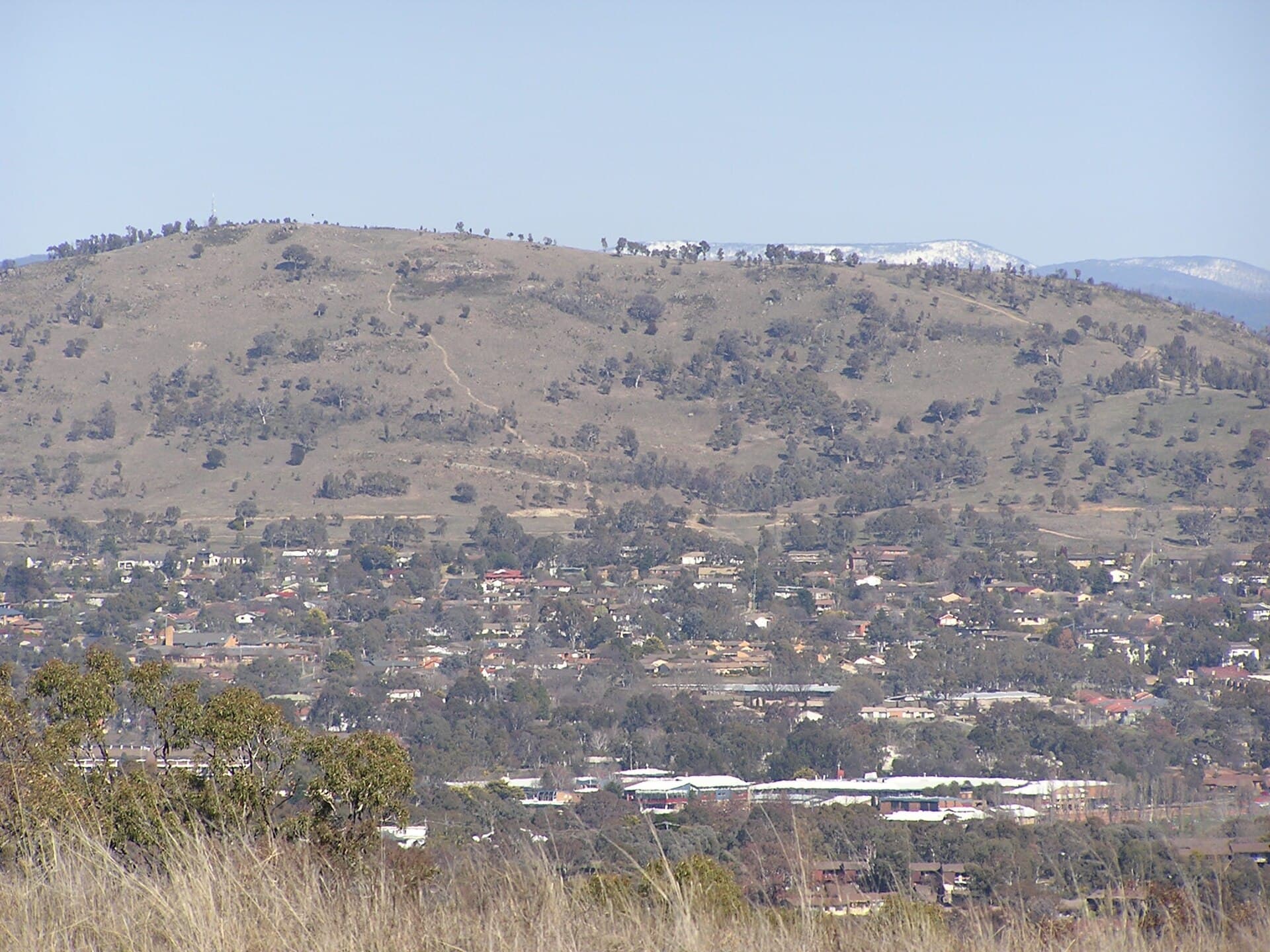
The Cotter River rises in the Brindabella Ranges and carves a broad valley through the western edge of the Australian Capital Territory. Its clear, cold water supports wild brown and rainbow trout, while the surrounding eucalypt forest and granite outcrops create a compact slice of alpine bushland less than an hour from Canberra’s suburbs.
Things to Do Along the River
Anglers wade the riffles below the Cotter Dam or cast from the banks of the lower river, where the water warms enough for summer swimming holes. Walkers follow the Cotter River Track upstream toward Bendora Dam or link onto the longer trails that climb into Namadgi National Park. Picnickers spread blankets at riverside clearings shaded by ribbon gums, and kayakers launch at higher water levels for gentle floats between the picnic areas.
Wildlife and Scenery
Early morning or late afternoon visits often reveal eastern grey kangaroos grazing on the grassy flats and crimson rosellas flashing through the canopy. The river’s granite boulders and occasional sandy beaches provide foregrounds for photographs of the surrounding ridges.
How to Reach the Cotter
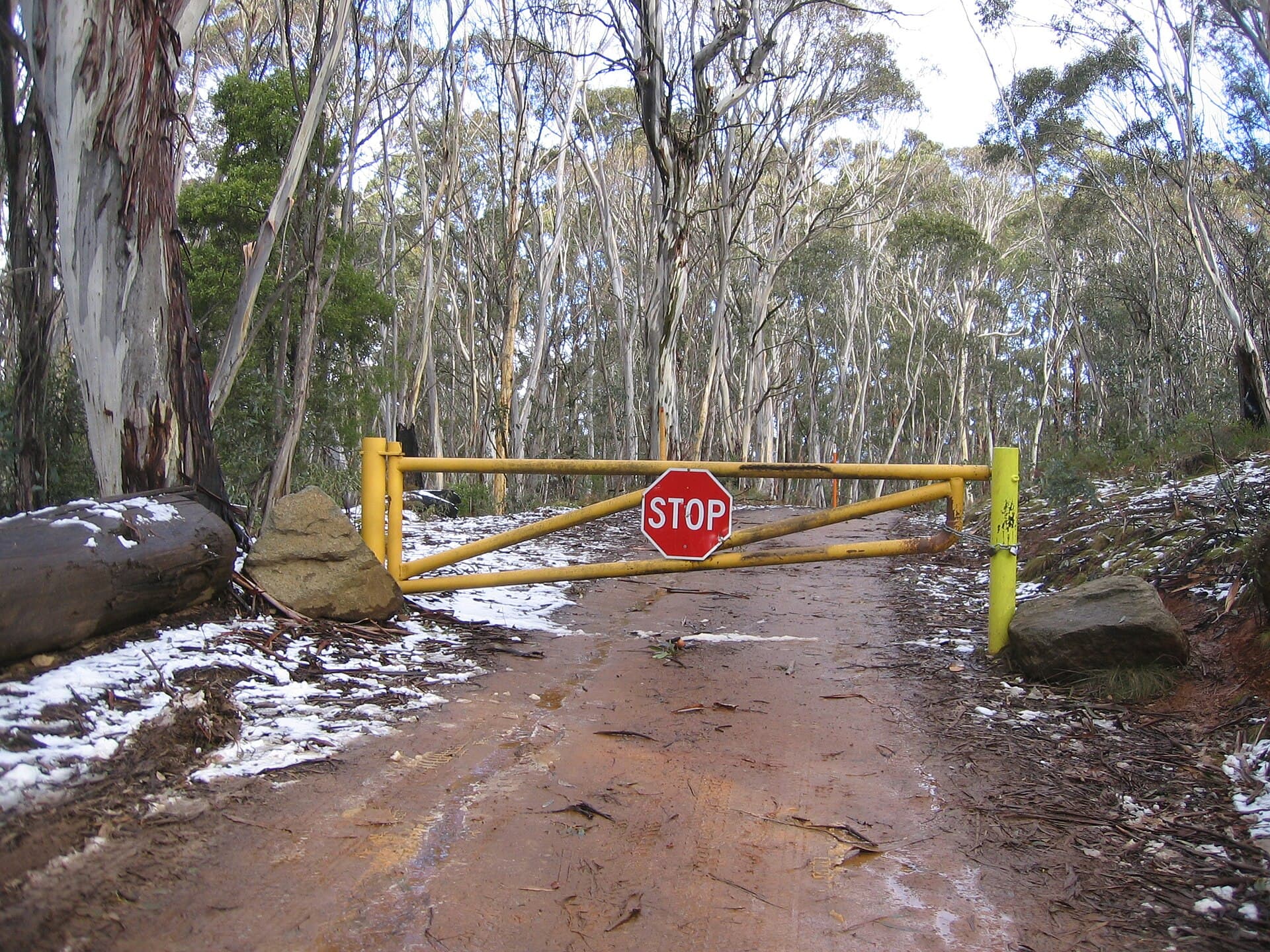
Drive west from Canberra on Cotter Road; the sealed route passes through pine forest before descending to the river. Public buses run to the Cotter Recreation Area on weekends in peak season. Once there, a network of gravel service roads gives access to upper sections of the catchment, although a high-clearance vehicle is useful after rain.
Best Time to Visit
Spring (September–November) and autumn (March–May) bring mild days, wildflowers or changing foliage, and reliable water flow. Summer offers swimming but can be hot and crowded; winter brings crisp air and fewer visitors, though water levels drop and nights are cold.
Nearby Places Worth Combining
- Tidbinbilla Nature Reserve – short drives to enclosures and walking tracks.
- Corin Forest – mountain biking and the highest lookout in the territory.
- Namadgi National Park visitor centre – maps and information on longer bushwalks.