
Keep reading
Nearby & related
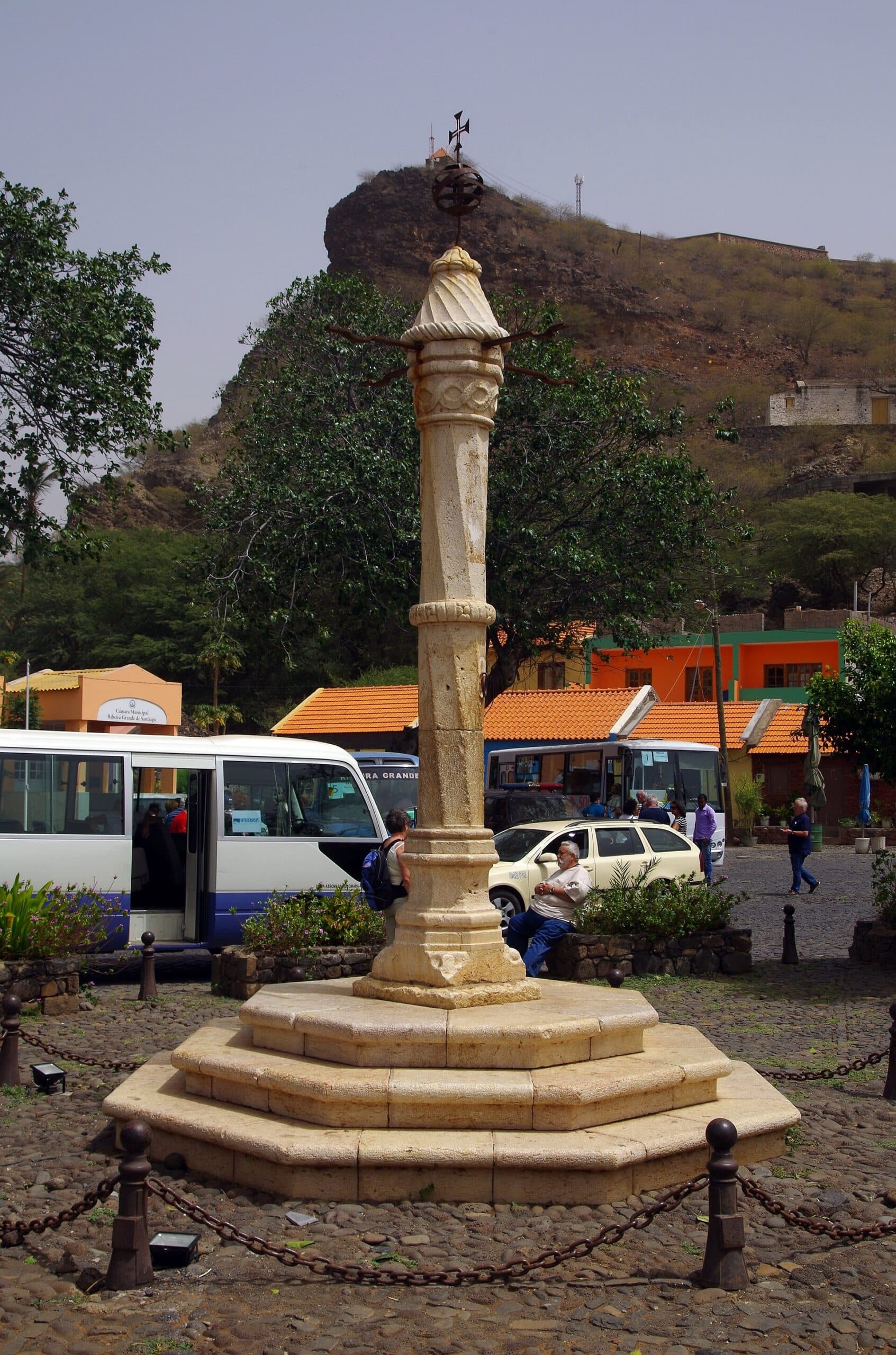
Pelourinho: Cape Verde’s Historic Pillory in Cidade Velha
Stand beside the stone pillar that witnessed the birth of the first European city in the tropics.
23 November 2026
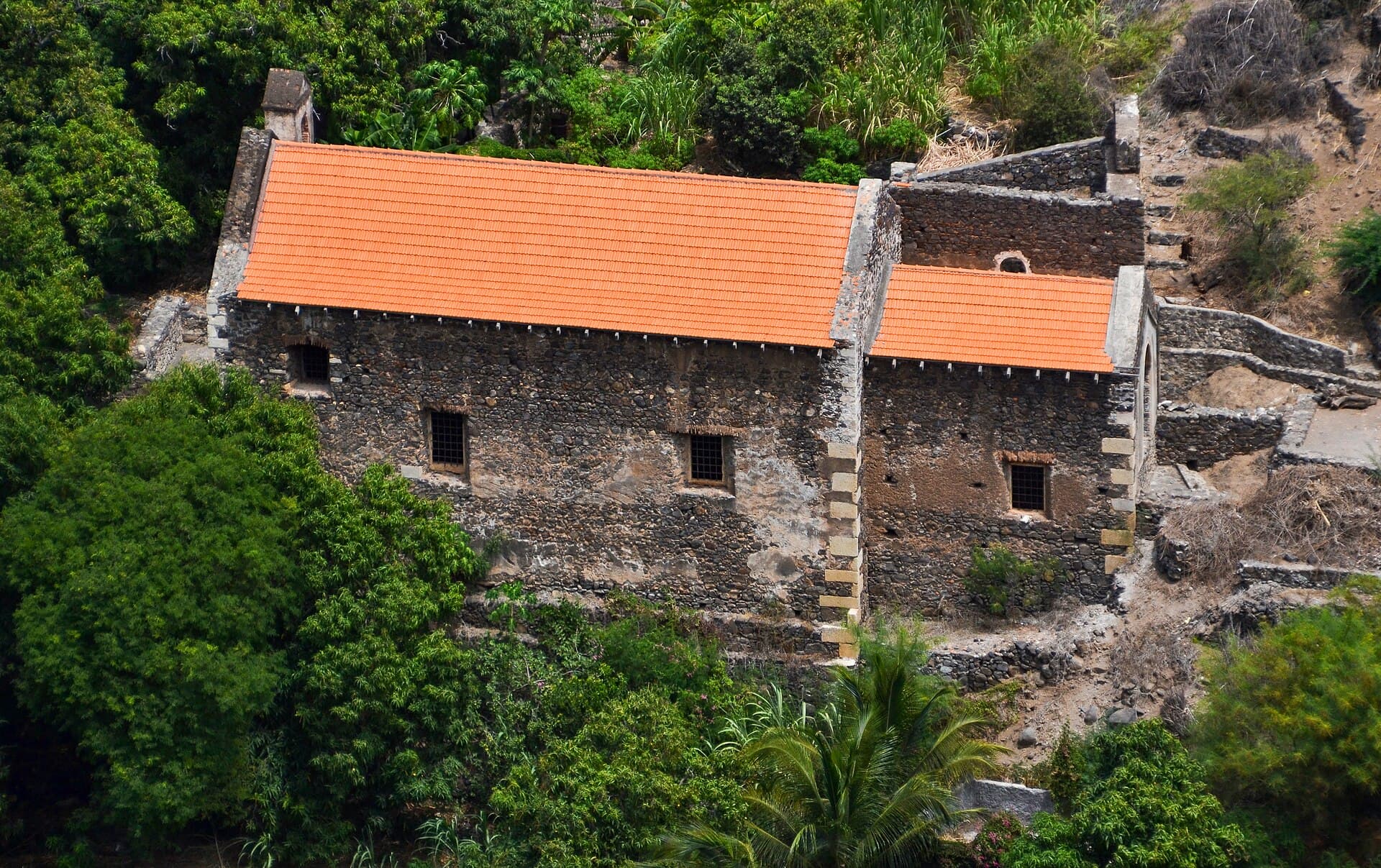
Step into the 16th-century ruins of this hillside monastery for sweeping Atlantic views and insight into early Portuguese settlement on Santiago.
Perched on a hillside above the Ribeira Grande valley in Cidade Velha, the Convent of São Francisco stands as one of Cape Verde’s most evocative colonial remnants. Founded by Franciscan friars in the late 1500s, the stone complex once served as a spiritual and agricultural outpost during the islands’ early role in transatlantic trade routes. Today its roofless chapels, cloister arches, and terraced gardens offer a quiet counterpoint to the bustling markets of Praia.
The surviving walls reveal thick volcanic-stone masonry designed to withstand both seismic activity and the steady trade winds. A single bell tower still rises above the nave, its weathered stones framing panoramic views of the Atlantic and the terraced slopes of Ribeira Grande de Santiago. The adjacent orchard terraces, once planted with fruit trees and medicinal herbs, now host native vegetation that softens the ruins with splashes of green year-round.
Most visitors arrive from Praia, roughly 15 kilometers east. Aluguer vans depart regularly from Sucupira market and drop passengers at the main square in Cidade Velha; from there a steep but short footpath leads uphill to the convent entrance. Private taxis or organized tours provide door-to-door service and allow time to explore the surrounding valley. The walk from the town center takes about 20 minutes and rewards climbers with increasingly dramatic coastal vistas.
The dry season from November through June brings reliable sunshine and cooler breezes ideal for outdoor exploration. July to October sees occasional showers that can make the uphill paths slippery, though the convent grounds remain accessible. Early morning visits avoid midday heat and offer softer light for photographs of the stonework against the sea.
After touring the convent, descend to the fortified waterfront to see the remains of the Royal Fort of São Filipe and the 15th-century Church of Nossa Senhora do Rosário, the oldest standing church in the tropics. The narrow lanes of Cidade Velha itself contain restored sobrado houses and a lively fish market where local fishermen sell the day’s catch. A short drive farther east leads to the botanical gardens of São Jorge, offering a green contrast to the historic stone sites.
Keep reading
Stand beside the stone pillar that witnessed the birth of the first European city in the tropics.
No, the monastery has been abandoned for centuries, but the site is preserved as a historic monument open to respectful visitors.
Most people spend 45 to 60 minutes walking the grounds and enjoying the viewpoints; add extra time if combining with Cidade Velhau2019s other monuments.
There are no services on site; plan to use facilities in the town center of Cidade Velha before or after your visit.
The steep approach path and uneven terrain make access difficult for wheelchairs or those with significant mobility challenges.
Photography is permitted throughout the open grounds for personal use; commercial shoots require prior authorization from local heritage authorities.
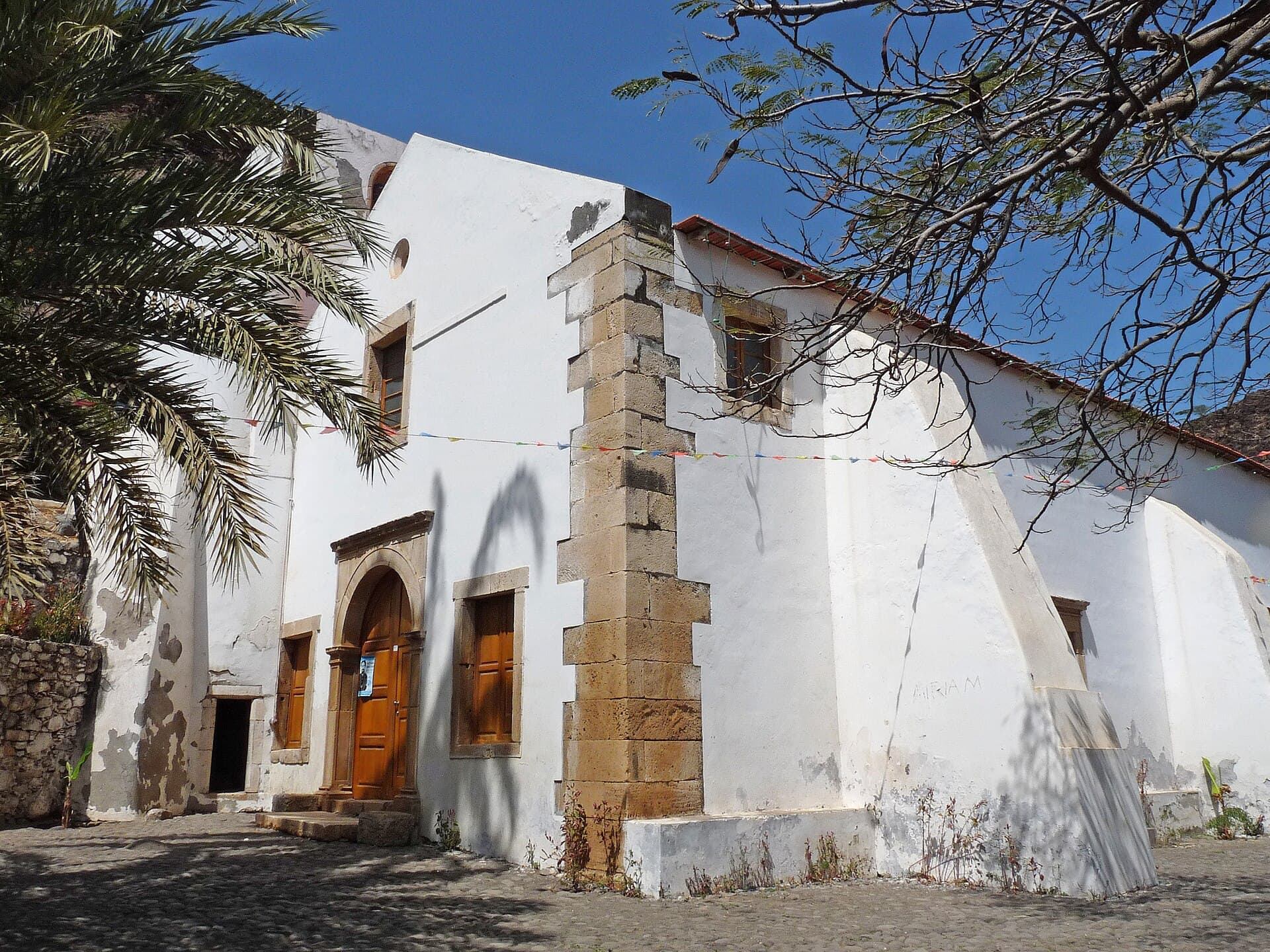
Step inside the 15th-century Nossa Senhora do Rosário Church in Ribeira Grande de Santiago for a direct encounter with…