
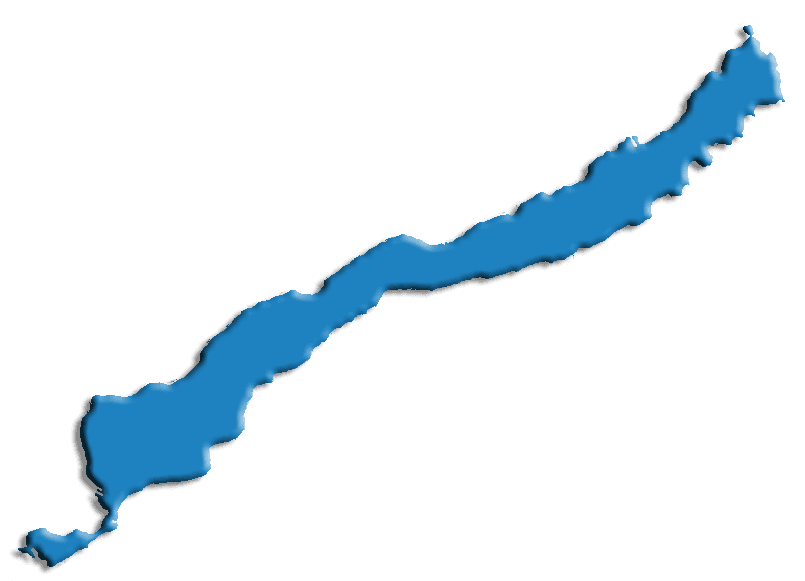
Cololo Lake: Bolivia’s Remote Andean Highland Sanctuary
Experience the untouched turquoise waters and dramatic Cordillera Apolobamba scenery at Cololo Lake in northern Bolivia.
Why Cololo Lake Deserves a Place on Your Itinerary
Cololo Lake sits high in the Cordillera Apolobamba at roughly 4,600 meters, offering visitors one of the most pristine high-altitude landscapes in the Andes. Its deep turquoise waters reflect jagged snow peaks and rolling puna grasslands where vicuñas graze freely. Because the lake lies within the Apolobamba Integrated Management Natural Area, development remains minimal and the sense of wilderness is profound.
Getting There
Most travelers begin in La Paz. From the capital, a long day’s drive on rough roads leads northeast through the towns of Charazani and Curva to the trailhead near Pelechuco. From there, a two- to three-day trek or a rugged 4×4 excursion reaches the lake basin. No scheduled public transport serves the final stretch, so visitors typically arrange private transport or join a guided trek. The journey itself becomes part of the experience, crossing high passes with sweeping views of the Apolobamba range.
Best Time to Visit
The dry season from May to October brings clearer skies and more stable trails. Daytime temperatures are comfortable, while nights drop well below freezing. The wet season (November–April) can make access roads impassable and increases the risk of sudden storms at altitude.
What to See and Do
Wildlife viewing tops most itineraries. Herds of vicuñas and alpacas roam the shores, while Andean condors often soar overhead. Photographers prize the contrast between the lake’s vivid color and the surrounding granite peaks. Multi-day trekkers commonly combine Cololo Lake with the longer Apolobamba route that links Curva to Pelechuco, passing traditional Kallawaya communities known for their medicinal plant knowledge. Shorter day hikes circle the lake or climb to nearby viewpoints for panoramic shots of the Cordillera.
Nearby Attractions
- The colonial mining town of Pelechuco with its small museum of local history.
- The Ulla Ulla plateau, famous for its vicuña reserve and traditional weaving cooperatives.
- High passes such as Apacheta and Sunchulli that offer dramatic sunrise views.
- Remote hot springs near the village of Curva, ideal for soaking after long treks.
Practical Considerations
Visitors should be fully acclimatized to altitude before attempting the final approach. Bring layers for rapid weather changes, a reliable headlamp, and sufficient water-purification supplies. Local guides from Curva or Pelechuco provide valuable knowledge of weather patterns and safe routes while supporting community-based tourism.
Visitor tips
- Acclimatize for at least three days in La Paz or Charazani before ascending to the lake to reduce altitude-sickness risk.
- Hire a local guide or join an organized trek; the final access roads and trails are unmarked and weather can change quickly.
- Pack for sub-freezing nights year-round and carry extra water-purification tablets, as reliable sources are limited above 4,500 m.
Frequently asked questions
How high is Cololo Lake and how difficult is the altitude?
The lake sits around 4,600 meters. Most visitors feel the effects and benefit from prior acclimatization in La Paz or intermediate towns.
Is it possible to visit Cololo Lake without a guide?
Technically yes, but unmarked trails, lack of signage, and sudden weather changes make a local guide strongly recommended for safety and navigation.
What wildlife might I see around the lake?
Vicuu00f1as, alpacas, Andean geese, and occasionally condors are commonly spotted; the area is also home to foxes and occasional pumas.
Can I camp at Cololo Lake?
Wild camping is permitted in designated spots, but visitors must pack out all waste and respect community grazing lands.
Are there any facilities or lodges near the lake?
No permanent lodges exist at the lake itself; the nearest simple accommodations are in Pelechuco or Curva, several hours away.