Why the Coello River Stands Out
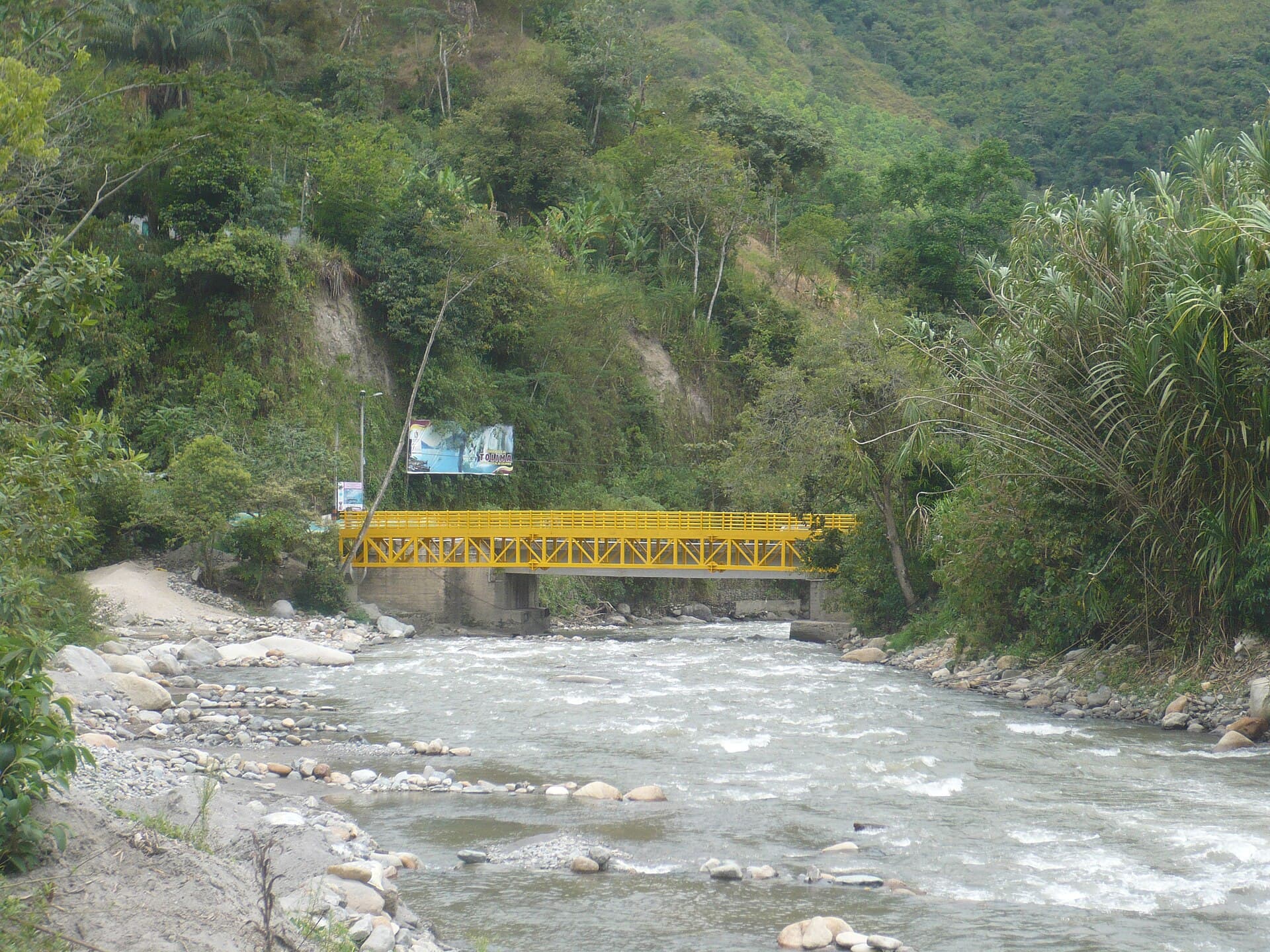
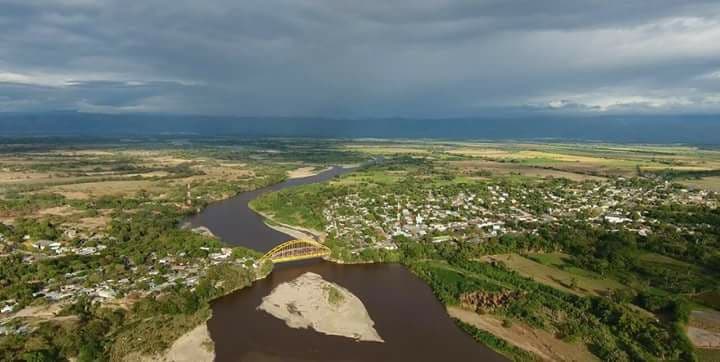
The Coello River carves through the rugged foothills of Tolima Department, offering a rare mix of accessible whitewater and peaceful riverside scenery. As a tributary of the Magdalena, it descends from higher elevations near the Central Cordillera, creating a series of Class II–IV rapids that draw paddlers year-round while leaving room for quiet stretches ideal for birdwatching and photography.
Things to Do Along the Coello
Whitewater rafting and kayaking are the main draws, with guided runs passing through narrow gorges lined by tropical dry forest. More relaxed visitors can hike short trails that follow the riverbank, stop at natural swimming holes, or join local guides for catch-and-release fishing. Birders often spot toucans, motmots, and hummingbirds in the riparian zone, especially early in the morning.
Best Time to Visit
The dry season from December through March brings lower water levels and clearer rapids, making it ideal for rafting. April and May see higher flows that suit experienced kayakers, while the green season from October to November offers fewer crowds and lush vegetation along the banks.
How to Reach the Coello River
Most travelers start from Ibagué, the departmental capital, which lies about 30 minutes by road from the main put-in points. Buses run regularly from Bogotá to Ibagué; from there, local taxis or arranged transfers take visitors to riverside lodges and launch sites. Those driving should follow the highway toward Armenia and watch for signed turnoffs to the Coello valley.
Where to Stay and Eat Nearby
Simple eco-lodges and fincas along the river provide basic rooms with river views and home-cooked meals featuring local trout and arepas. Ibagué itself offers a wider range of hotels and restaurants if you prefer urban comforts between river days. Stock up on snacks and water in town before heading out, as services thin out once you reach the canyon.
Combining a Visit with Other Tolima Attractions
The Coello sits within easy reach of Ibagué’s botanical gardens and the thermal springs near Santa Isabel. Further afield, the snow-capped peaks of Nevado del Tolima and the coffee-growing slopes around Cajamarca make natural extensions for multi-day itineraries.