Why Visit the Church of Santa María de la Asunción
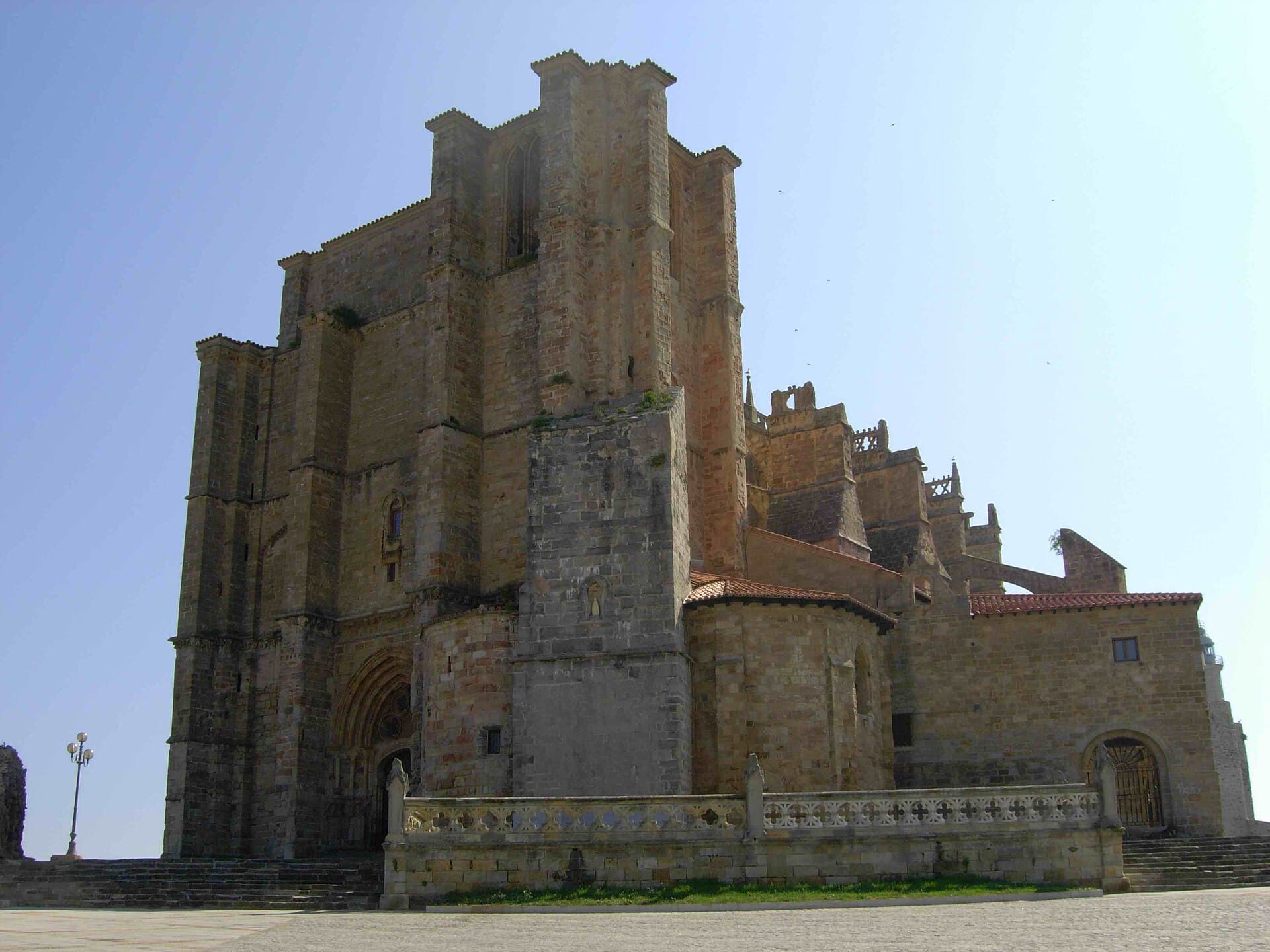
Perched on a rocky promontory above the harbor, the Church of Santa María de la Asunción dominates the skyline of Castro Urdiales. Its fortress-like silhouette, combining religious architecture with defensive towers, reflects the town’s medieval need for protection while serving as a place of worship. The building’s enduring stonework and dramatic coastal location make it one of Cantabria’s most distinctive monuments.
Architectural Highlights
Construction began in the late 13th century in the Gothic style, with later additions that include Renaissance and Baroque elements. Visitors notice the three naves, ribbed vaults, and flying buttresses that support the structure against Atlantic winds. The south portal features detailed stone carvings, while the north side incorporates elements of the original defensive wall. Inside, the main altarpiece and choir stalls display fine woodwork typical of the region.
Fortified Complex and Views
The church shares its hill with the medieval castle and lighthouse, forming a compact historic ensemble. From the surrounding terrace, clear days reveal sweeping views across the Cantabrian Sea and the old town’s tiled rooftops. The integration of religious, military, and maritime functions in one location is rare and gives the site its distinctive character.
Practical Information for Visitors
Reach Castro Urdiales by car along the A-8 motorway from Bilbao in roughly thirty minutes or by regional bus from Santander. Once in town, the church sits a short uphill walk from the harbor promenade. Spring and early autumn offer the mildest weather for exploring the exterior and nearby streets without summer crowds. Combine a visit with a stroll along the seafront and a meal of fresh seafood in the old quarter.
Nearby Attractions
- The 12th-century castle and lighthouse adjacent to the church
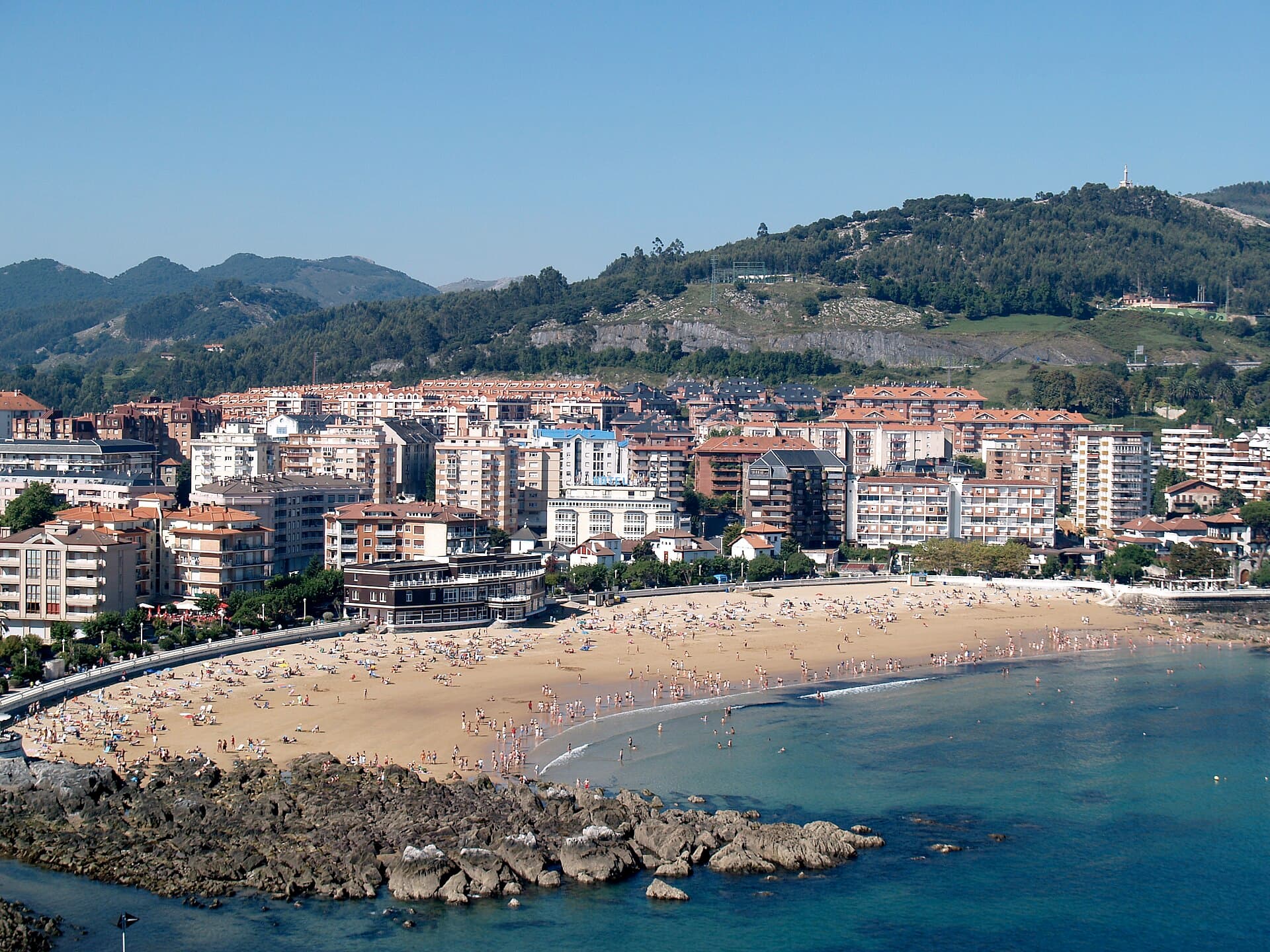
- Castro Urdiales beach and fishing harbor
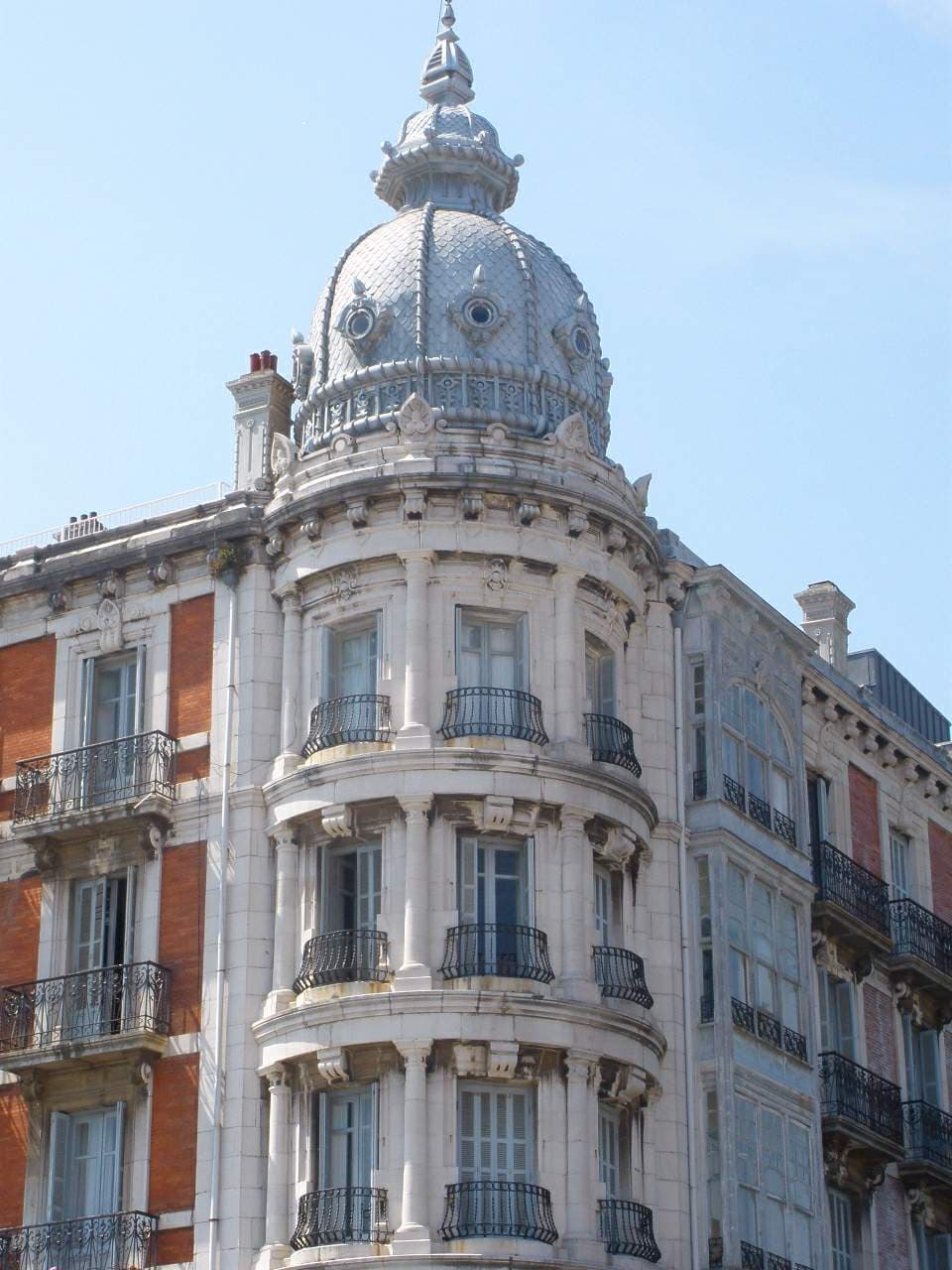
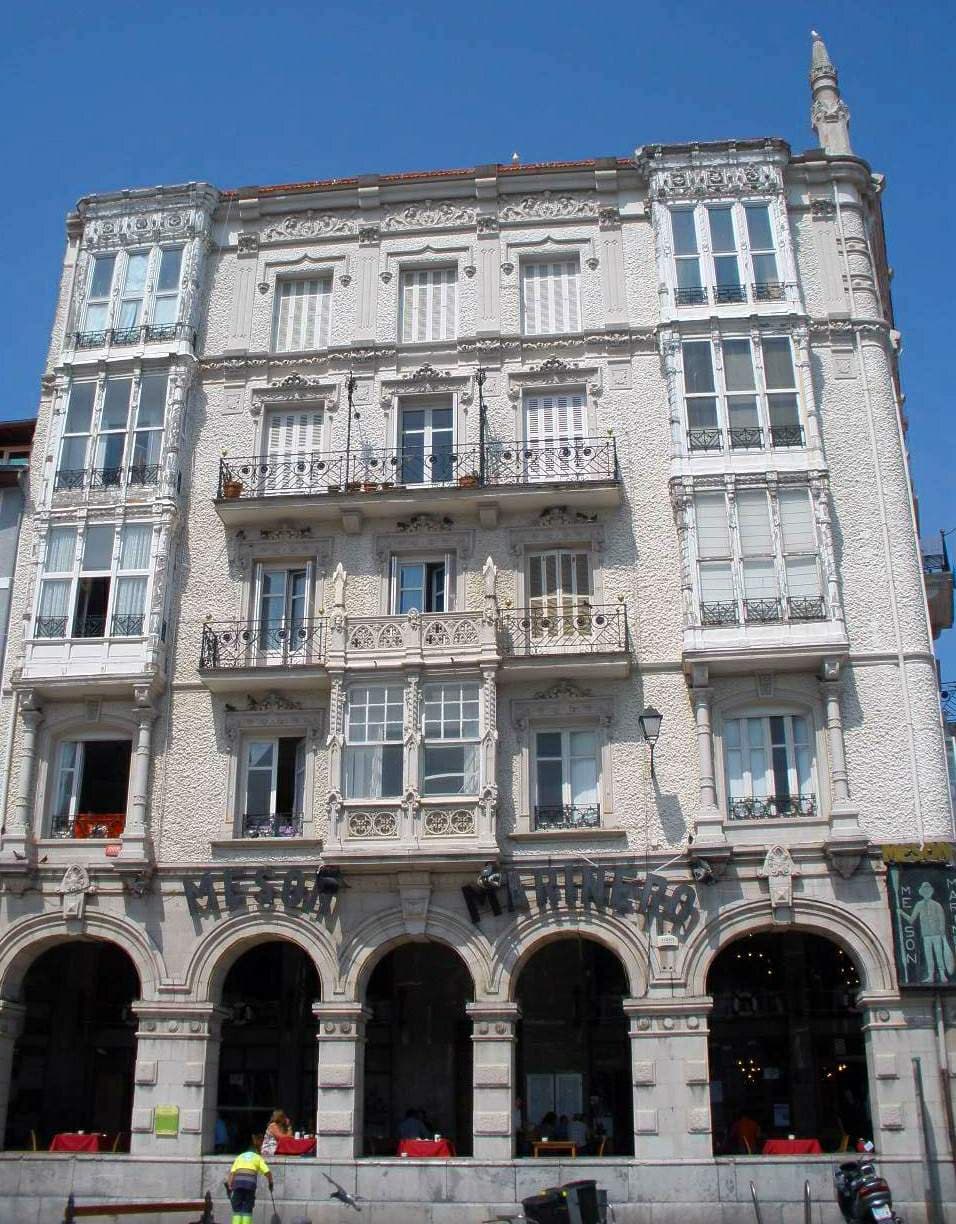
- Medieval streets of the old town with traditional Cantabrian houses
- Coastal paths leading toward the cliffs east of town
Allow at least an hour to walk the grounds and appreciate the architecture from multiple angles, especially at sunset when the stone glows against the sea.