
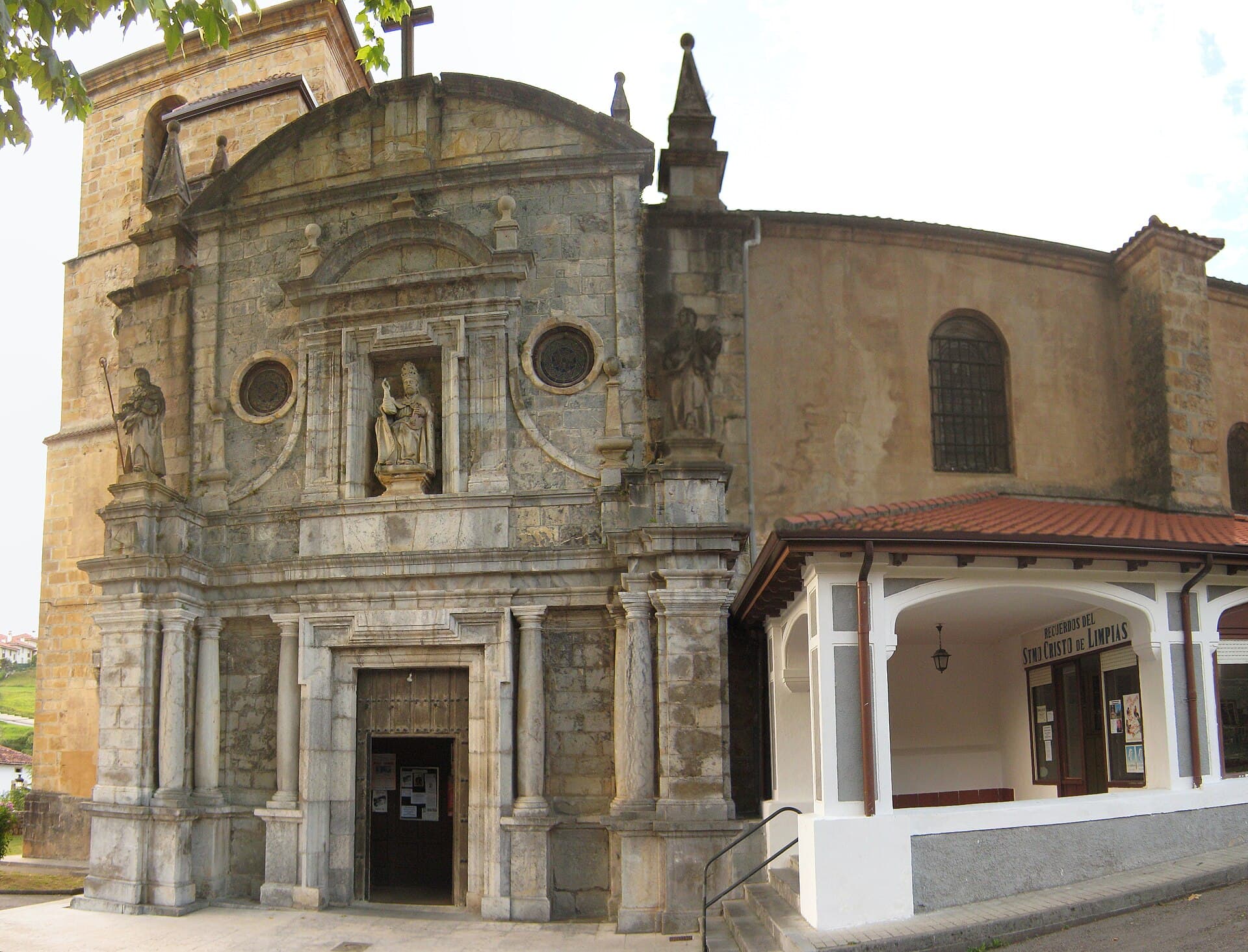
Church of San Pedro de Rucoba: Historic Sanctuary and Miracle Site in Limpias
Explore the 16th-century church in Cantabria where a crucifix drew international pilgrims after reported miracles in 1919.
Introduction to the Church of San Pedro de Rucoba
Nestled in the quiet riverside town of Limpias in Cantabria, the Church of San Pedro de Rucoba stands as a modest yet profoundly significant monument. Its stone facade and simple bell tower overlook the Asón River, offering visitors a tangible link to centuries of local devotion and an extraordinary early-20th-century event that briefly placed this small parish on the world map.
Historical Background
Construction of the present church began in the 1500s on the site of an earlier medieval chapel. Local records show that the building served both as parish church and community gathering point through centuries of regional conflict and economic change. Its enduring presence reflects the steady rhythm of rural Cantabrian life rather than grand architectural ambition.
The Miraculous Crucifix
The church’s fame rests on the large wooden crucifix known as the Cristo de Limpias. In 1919, several parishioners reported that the figure’s eyes appeared to move and tears or blood flowed from its face. News spread rapidly, drawing thousands of pilgrims from across Spain and beyond. Although the intensity of reported phenomena later subsided, the crucifix remains the focal point of the interior and continues to inspire quiet reflection among visitors today.
Architectural Details Worth Noting
Inside, the single-nave layout features a barrel-vaulted ceiling and simple side chapels. The high altar is dominated by the celebrated crucifix, framed by a modest reredos. Stone baptismal fonts and carved wooden choir stalls provide further points of interest for those who appreciate regional craftsmanship. Natural light from narrow windows highlights the aged wood and stone surfaces without overwhelming the space.
Visiting the Church
Travelers reach Limpias easily by car along the N-634 road between Santander and Bilbao. The surrounding countryside offers gentle walks along the river or through nearby orchards. Because the church functions as an active place of worship, visitors are encouraged to enter respectfully and to time their arrival outside of scheduled services when possible. The compact size means most people spend 30 to 45 minutes inside, allowing time to examine the crucifix and surrounding artwork at a measured pace.
Exploring the Wider Area
Limpias sits within easy reach of Cantabria’s diverse landscapes. The dramatic coastline at Laredo and the beaches of Isla lie less than 20 minutes away by car. Inland, the rolling hills of the Asón valley lead to hiking trails and traditional villages. Combining a visit to the church with these nearby destinations creates a balanced day that mixes cultural heritage with the natural beauty that defines the region.
Visitor tips
- Park in the small public lot near the river and walk the short distance to the church to avoid narrow village streets.
- Combine your visit with a stop at the nearby Ermita de la Virgen del Puerto for a fuller picture of local religious sites.
- Carry a light jacket even in summer; the thick stone walls keep the interior cool year-round.
Frequently asked questions
Why is the Church of San Pedro de Rucoba famous?
It gained international attention in 1919 when numerous witnesses reported that the large crucifix inside appeared to weep or bleed, prompting a wave of pilgrimages that continues in quieter form today.
Is the church still used for worship?
Yes, it remains an active parish church serving the local community, so visitors should observe respectful silence and avoid entering during Mass or sacraments.
How long does a typical visit take?
Most people spend 30 to 45 minutes viewing the crucifix, altar, and modest interior before moving on to the surrounding riverside area.
What else can I see near Limpias?
The nearby coast offers beaches at Laredo and Isla, while inland trails follow the Asu00f3n River through farmland and small villages ideal for relaxed walking or cycling.
Is photography allowed inside the church?
Non-flash photography for personal use is generally permitted, but visitors should avoid disrupting services or using tripods without prior permission.