
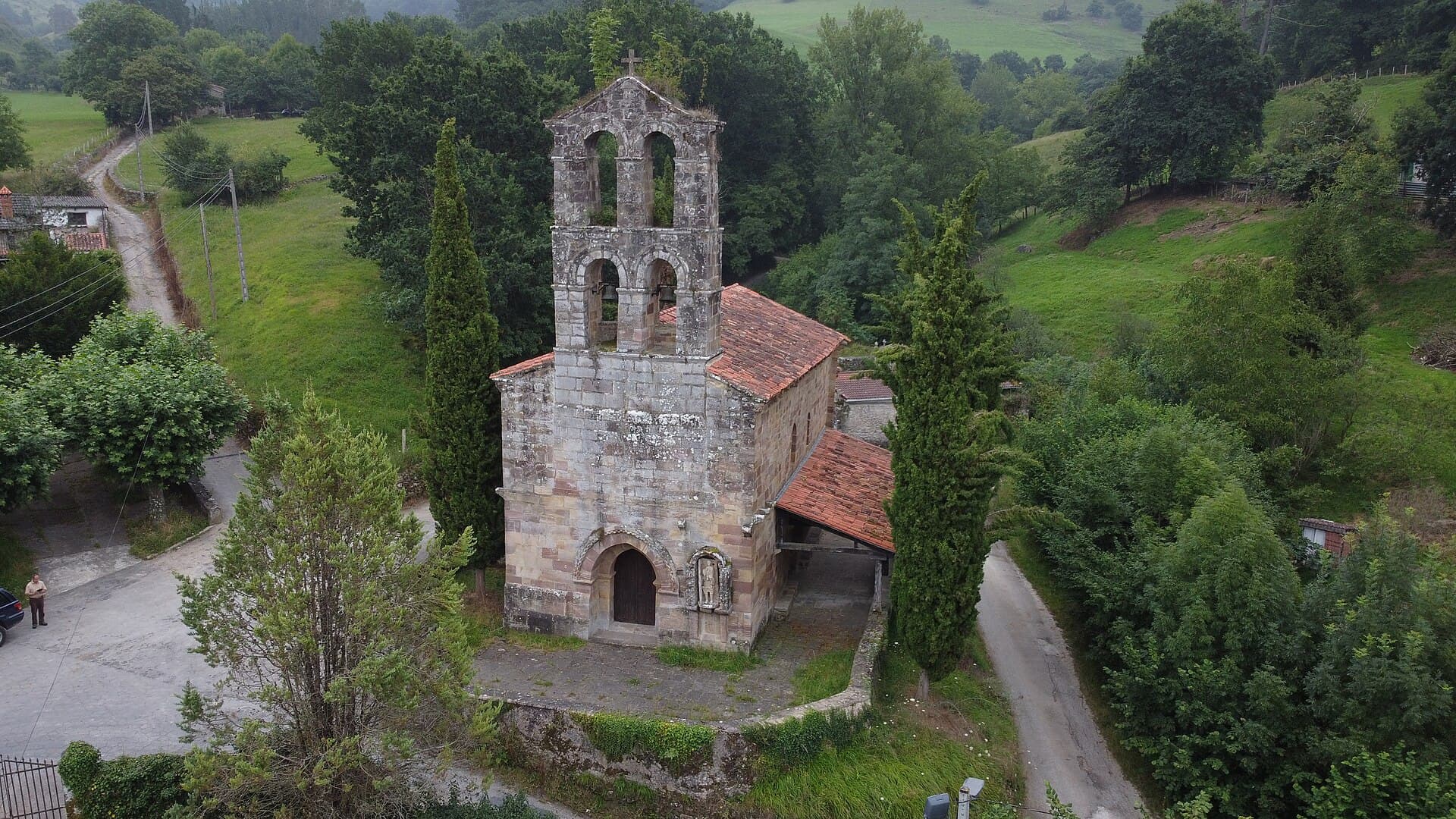
Church of San Andrés, Cotillo: Timeless Stone Sanctuary in Anievas
Explore the enduring Romanesque architecture and quiet valley setting of this historic parish church in rural Cantabria.
History and Significance
The Church of San Andrés stands as a preserved example of medieval religious architecture in the small village of Cotillo within Anievas municipality. Built primarily in the Romanesque style with later Gothic additions, it has served the local farming community for centuries as a focal point for worship and gatherings. Its location in the verdant Besaya valley reflects the region’s long history of isolated rural parishes that maintained distinct cultural traditions amid the Cantabrian mountains.
Architecture and Interior Features
Visitors appreciate the solid stone construction, featuring a simple nave, rounded arches, and a modest bell tower that rises above the surrounding meadows. Inside, the space retains original elements such as carved capitals and a modest altar area, offering a sense of continuity with medieval worship practices. The exterior walls show weathered masonry that blends naturally with the green hillsides, while the adjacent cemetery provides insight into local burial customs.
What to See and Do
Spend time walking the short paths around the church grounds for panoramic views of the Anievas valley and distant peaks. Photographers find the play of light on the stone facade especially rewarding in soft morning or late afternoon light. The surrounding lanes invite a slow stroll to observe traditional stone houses and pastures that define daily life in this part of Cantabria.
How to Get There
Reach Cotillo by car via the regional roads connecting to the A-67 motorway from Santander or Torrelavega. The final approach follows narrow local lanes through farmland, rewarding drivers with scenic countryside views. Public transport options are limited, making private vehicle or organized tours from larger Cantabrian towns the most practical choice for most visitors.
Best Time to Visit and Nearby Attractions
Spring and early autumn deliver comfortable temperatures and fewer visitors, allowing peaceful exploration of the church and its setting. Summer brings lush greenery but occasional rain, while winter can limit access due to wet conditions. Nearby, the broader Anievas area offers opportunities to visit other small historic churches and natural viewpoints along the Besaya river valley, creating easy half-day itineraries combining cultural and landscape interests.