Keep reading
Nearby & related
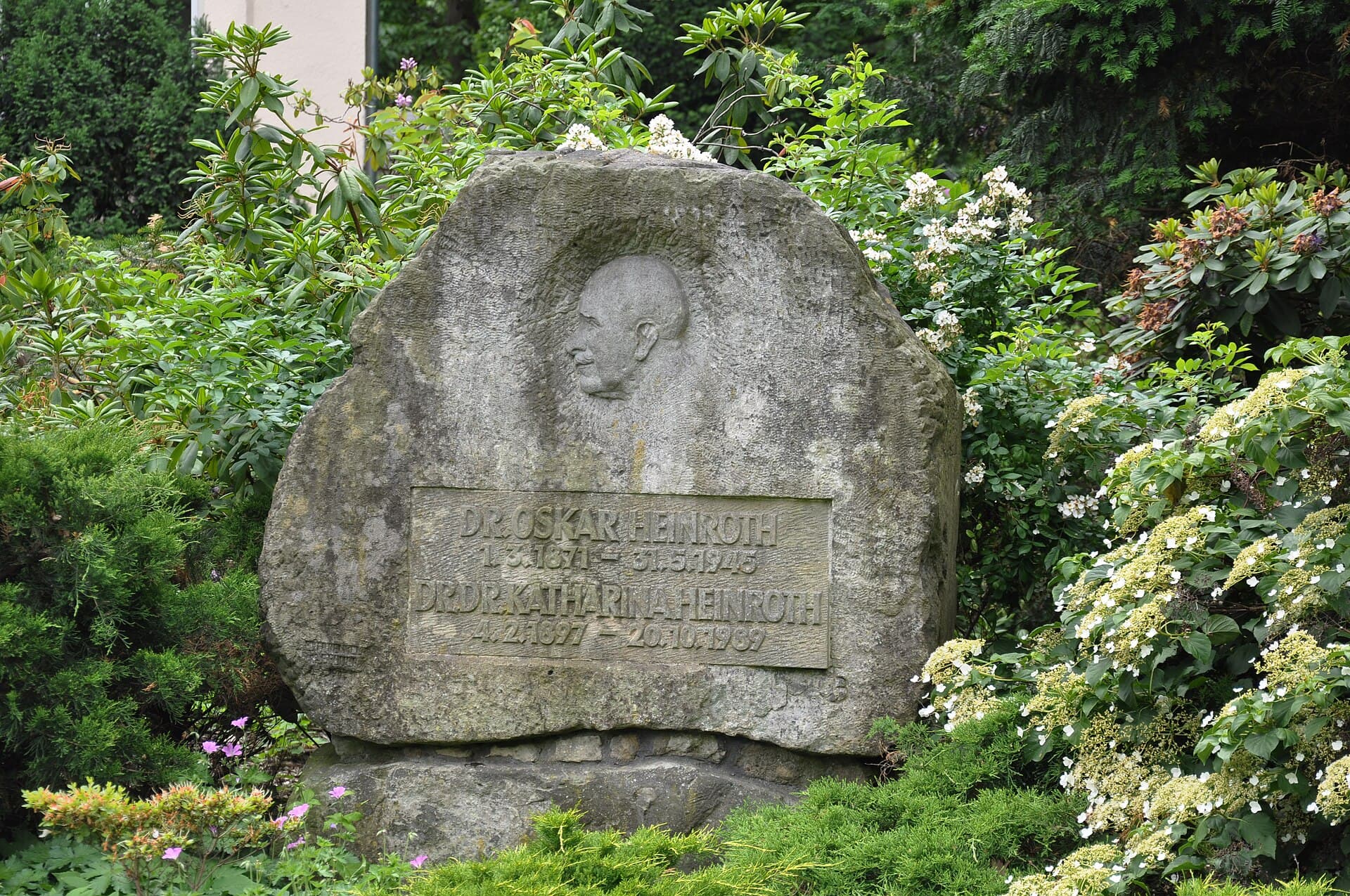
Oskar and Katharina Heinroth Memorial Stone: Quiet Tribute in Bremen’s Mitte
A modest stone marking the legacy of two pioneering ornithologists in the heart of the city.
16 October 2026
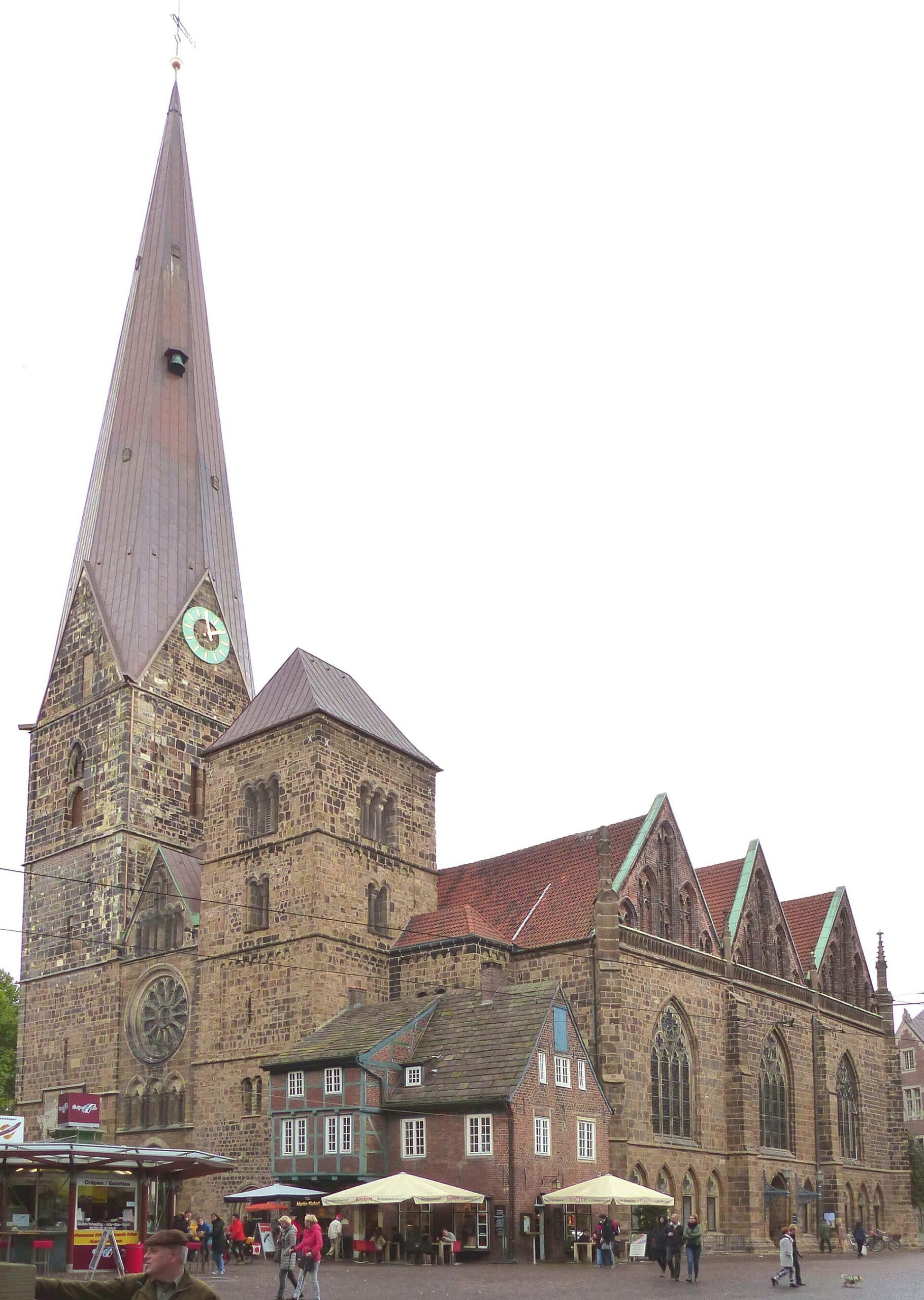
Step inside Bremen’s Liebfrauenkirche for quiet contemplation, soaring brick vaults, and one of northern Germany’s finest organs.
Located in the heart of Bremen’s Mitte district, the Church of Our Lady stands just a short walk from the Marktplatz, offering visitors a peaceful counterpoint to the city’s bustling square. This 13th-century brick Gothic hall church rewards unhurried exploration with its harmonious proportions and rich musical tradition.
Construction began around 1220 on the site of an earlier Romanesque chapel. The church was completed in the late 14th century and has remained largely unchanged since, surviving the Second World War with only minor damage. Its simple yet elegant design reflects the Hanseatic preference for functional beauty over ornate decoration.
The exterior features characteristic red-brick walls and stepped gables typical of northern German Gothic. Inside, eight slender octagonal pillars divide the nave into three aisles of equal height, creating an airy, light-filled space. Tall lancet windows allow natural light to illuminate the whitewashed walls and wooden barrel-vaulted ceiling.
The church’s most celebrated feature is its 1950s organ built by Jürgen Ahrend and Gerhard Brunzema. With 37 stops and over 2,500 pipes, it fills the nave with rich, clear sound during regular recitals. The instrument sits on a gallery at the west end, framed by a simple yet elegant case that complements the medieval architecture.
Entry is free and open to all. Visitors may wander the nave, light a candle, or sit quietly in the side chapels. The small treasury behind the high altar displays medieval vestments and silverwork on certain days. Because the building is still an active Lutheran parish church, respectful behavior is expected during services.
The church lies in Bremen’s pedestrian-friendly city center. From the main railway station it is a flat 15-minute walk along the shopping street Sögestraße. Several tram lines stop at “Marktplatz” or “Obernstraße,” both within two minutes of the entrance. Cyclists can use the extensive network of bike paths that converge on the old town.
Spring and early autumn offer mild weather ideal for combining a church visit with outdoor exploration. In December the adjacent Christmas market creates a festive atmosphere, though the interior remains calm. After touring the church, continue to the nearby Bremen Town Hall and Roland statue, both UNESCO World Heritage sites, or stroll along the Weser River promenade for views of the harbor cranes.
Keep reading
A modest stone marking the legacy of two pioneering ornithologists in the heart of the city.
The main entrance is level and the nave is step-free, though some side chapels have small thresholds. Aisles are wide enough for wheelchairs.
Photography is permitted for personal use as long as no flash is used and services are not taking place.
Occasional tours in German are offered by the parish; English-language options are limited, so an audio guide or self-guided visit works well for most international travelers.
Modest clothing is appreciated; shoulders and knees should be covered out of respect for the active congregation.
Yes, the open interior allows children to move quietly, and the soaring architecture often sparks curiosity; brief visits work best with younger kids.
A medieval landmark blending centuries of history, architecture, and quiet reflection in the heart of Bremen.
Step inside the intimate Wilhadikapelle in Bremen’s Mitte district for a peaceful encounter with the city’s earliest…