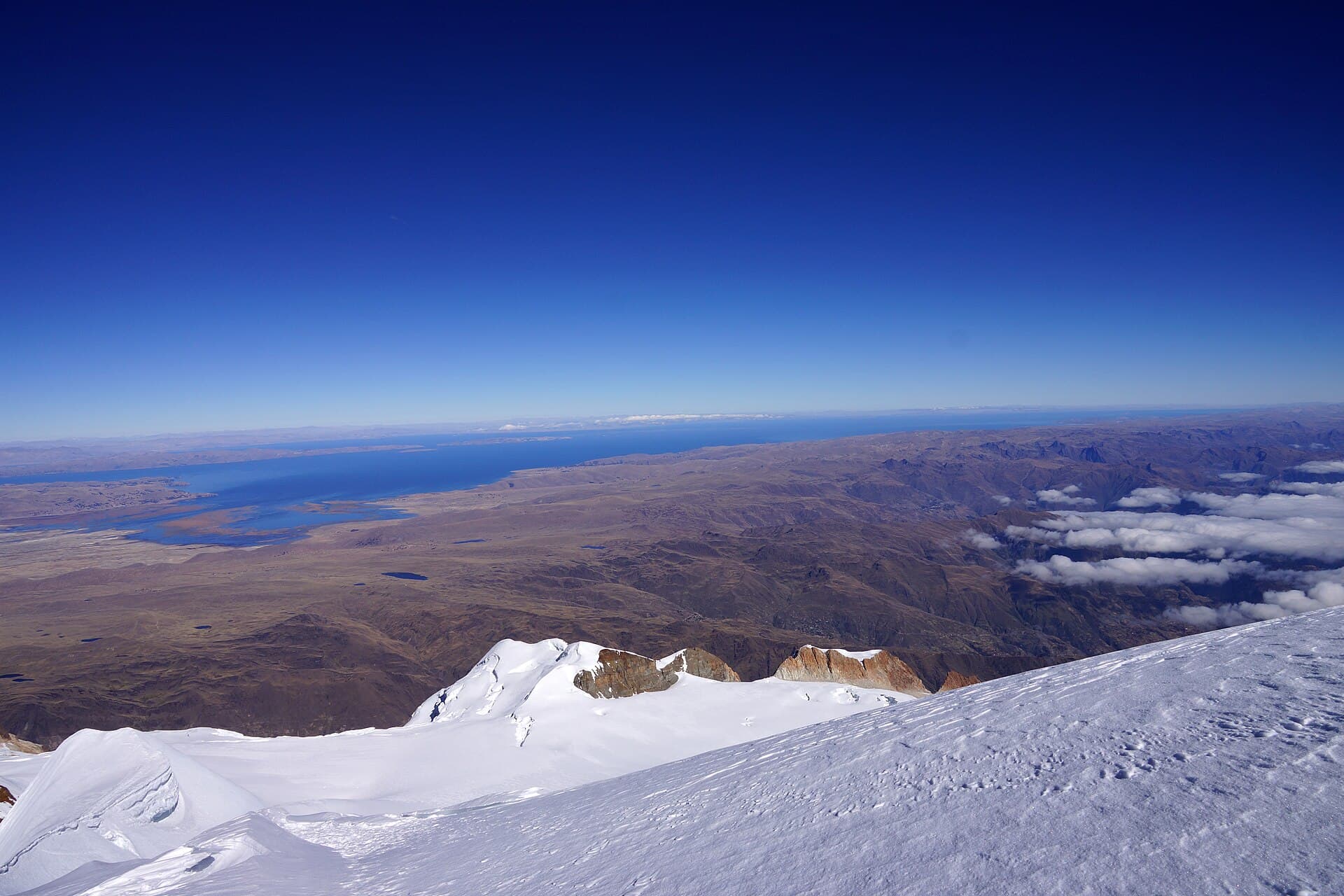
Why the Ch’iyar Juqhu River Belongs on Your Bolivia Itinerary
The Ch’iyar Juqhu River carves through the rugged highlands of La Paz Department, offering visitors a rare window into Bolivia’s remote Cordillera Real. This Andean waterway flows amid towering peaks and traditional Aymara communities, creating a destination for trekkers and nature enthusiasts seeking solitude rather than crowded tourist trails. Its dramatic setting provides sweeping views of snow-capped summits and vast puna grasslands that change dramatically with the seasons.
Getting There and Around
Access begins in La Paz, the departmental capital, from where travelers continue by road into the surrounding highland valleys. The journey involves winding mountain routes that reward with ever-changing vistas of the altiplano. Once near the river valley, movement is primarily on foot along established trails that follow the watercourse. Local transport options connect nearby settlements, allowing flexible exploration without relying on private vehicles.
What to See and Do
Hiking along the river reveals layered rock formations and occasional waterfalls that feed into the main channel. Birdwatchers may spot Andean species such as the giant hummingbird or Andean goose near the banks. Longer treks lead toward surrounding massifs, where the river serves as a natural corridor through high passes. Cultural encounters in riverside hamlets offer insight into traditional weaving and herding practices that have endured for generations. Photography opportunities abound at sunrise when light strikes the peaks and reflects in the clear waters.
Best Time to Visit
The dry season from May through October brings clearer skies and more stable trail conditions, ideal for multi-day treks. Afternoon winds can still be strong at these elevations, so early starts are advisable. The wetter months deliver lush vegetation but increase the risk of slippery paths and swollen crossings, making them better suited to experienced hikers with proper gear.
Nearby Attractions
The river lies within reach of several notable Andean landmarks. Treks can extend toward the Illampu-Ancohuma massif for glacier views or connect with routes leading to Lake Titicaca’s southern shores. Smaller highland lakes and pre-Inca ruins scattered across the department provide additional day-trip possibilities for those based in the valley.
Practical Considerations for Visitors
Altitude above 4,000 meters requires gradual acclimatization before attempting longer hikes. Weather shifts quickly, so layered clothing and reliable navigation tools are essential. Engaging local guides supports both safety and the regional economy while ensuring respectful passage through community lands.