
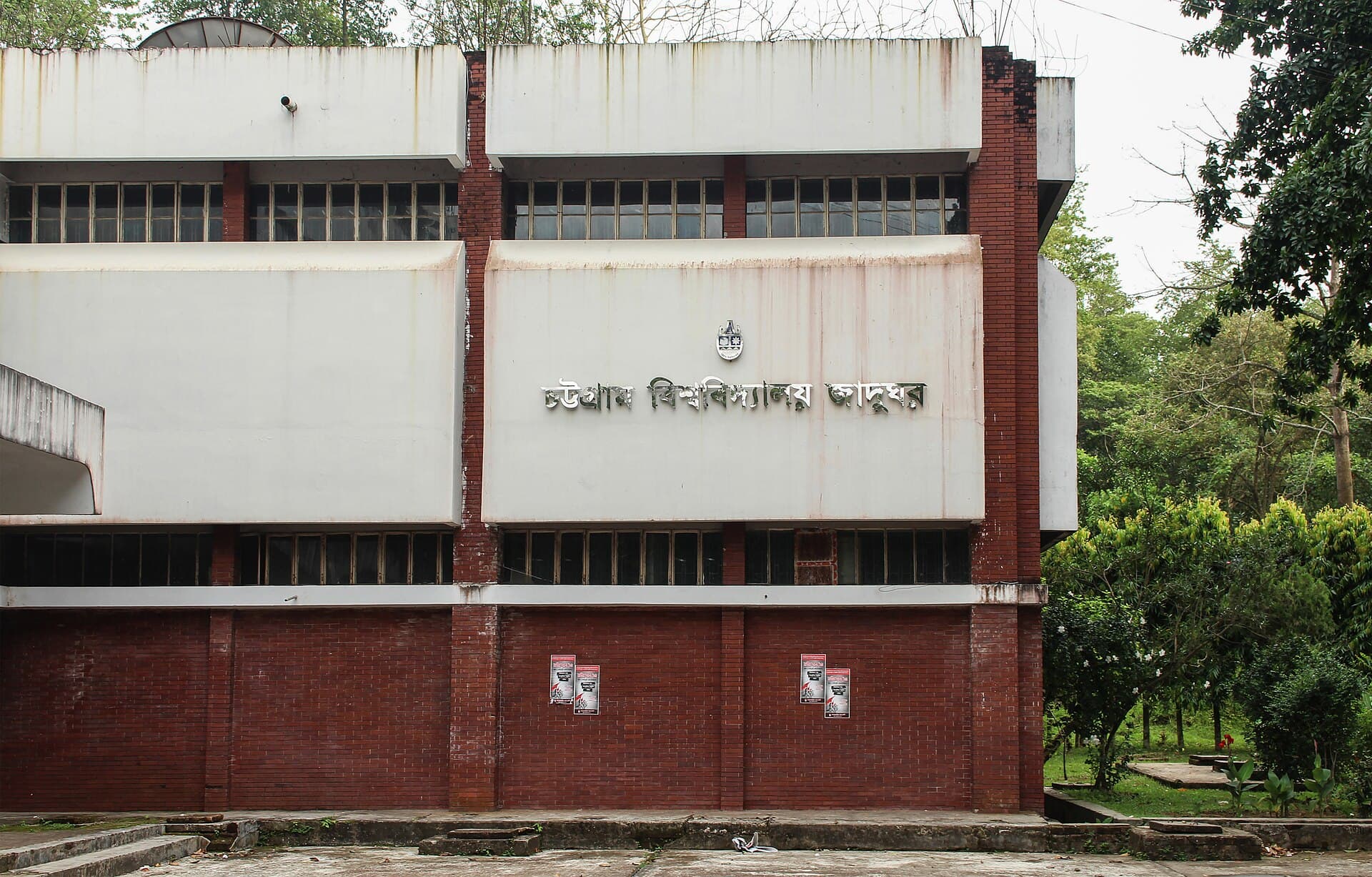
Chittagong University Museum: Tracing Bangladesh’s Ancient Heritage
A university collection of regional archaeological finds and cultural artifacts awaits visitors to Hathazari.
Discovering the Chittagong University Museum
Located on the sprawling campus of the University of Chittagong in Hathazari Upazila, this museum preserves artifacts recovered from archaeological sites across the Chattogram region. Its holdings highlight the layered history of southeastern Bangladesh, from early Buddhist settlements through medieval trade networks to local folk traditions. Unlike larger national institutions, the museum emphasizes objects tied directly to the surrounding hills, rivers, and coastal plains, offering a focused view of how geography shaped settlement and craftsmanship here.
Key Collections and Exhibits
Visitors encounter terracotta plaques, stone sculptures, coins, and pottery shards unearthed from nearby mounds and riverbanks. Displays often include metalwork and inscribed stones that reflect interactions between local communities and traders arriving via the Bay of Bengal. Ethnographic sections feature tools, textiles, and household items from indigenous groups of the Chittagong Hill Tracts, illustrating daily life and ritual practices that continue in modified forms today. The arrangement encourages slow viewing, with many pieces accompanied by notes on excavation context rather than dramatic lighting or multimedia.
Planning Your Visit
Reach the museum by traveling north from Chattogram city along the Dhaka-Chattogram highway, then turning onto the university access road in Hathazari. Local buses and shared microbuses serve the route regularly; once on campus, walking paths lead to the museum building amid academic departments and green spaces. The surrounding campus itself functions as an informal extension of the visit, with mature trees and open lawns typical of this hilly terrain.
Best Time to Visit
November through February offers the most comfortable conditions, with lower rainfall and moderate temperatures that make walking between campus buildings pleasant. The monsoon season brings heavy downpours that can disrupt travel on rural roads leading to Hathazari, so plan accordingly if traveling during summer months.
Nearby Attractions
- Kaptai Lake lies within a short drive into the Hill Tracts, providing scenic boat rides amid forested hills.
- Ethnographic villages near Rangamati allow further exploration of indigenous crafts and customs referenced in the museum collections.
- Historic mosques and temples in central Chattogram connect the museum’s medieval artifacts to living religious sites.
Combining a museum stop with these destinations creates a coherent day or overnight itinerary focused on the region’s natural and cultural continuity.
Visitor tips
- Wear modest clothing suitable for a university setting and prepare for possible outdoor walking between buildings.
- Allow at least ninety minutes to view the galleries without rushing, as labels reward careful reading.
- Carry water and a light snack, since campus food options may be limited outside term time.
Frequently asked questions
How do I reach the museum from Chattogram city center?
Take a bus or microbus north along the main highway toward Hathazari, then follow signs to the University of Chittagong campus; the museum sits within the academic area.
Is the museum suitable for families with children?
Yes, though the exhibits are scholarly; older children interested in history or archaeology will find the terracotta and stone artifacts engaging.
Can I combine a visit with other sites in the Hill Tracts?
The museum works well as a first stop before traveling onward to Kaptai Lake or Rangamati, both accessible by road from Hathazari.
What should I know about campus rules?
Respect quiet zones near classrooms, stay on marked paths, and avoid entering restricted academic buildings without permission.
Are there English explanations for the displays?
Many labels include English alongside Bengali, focusing on excavation details and regional context rather than general history.