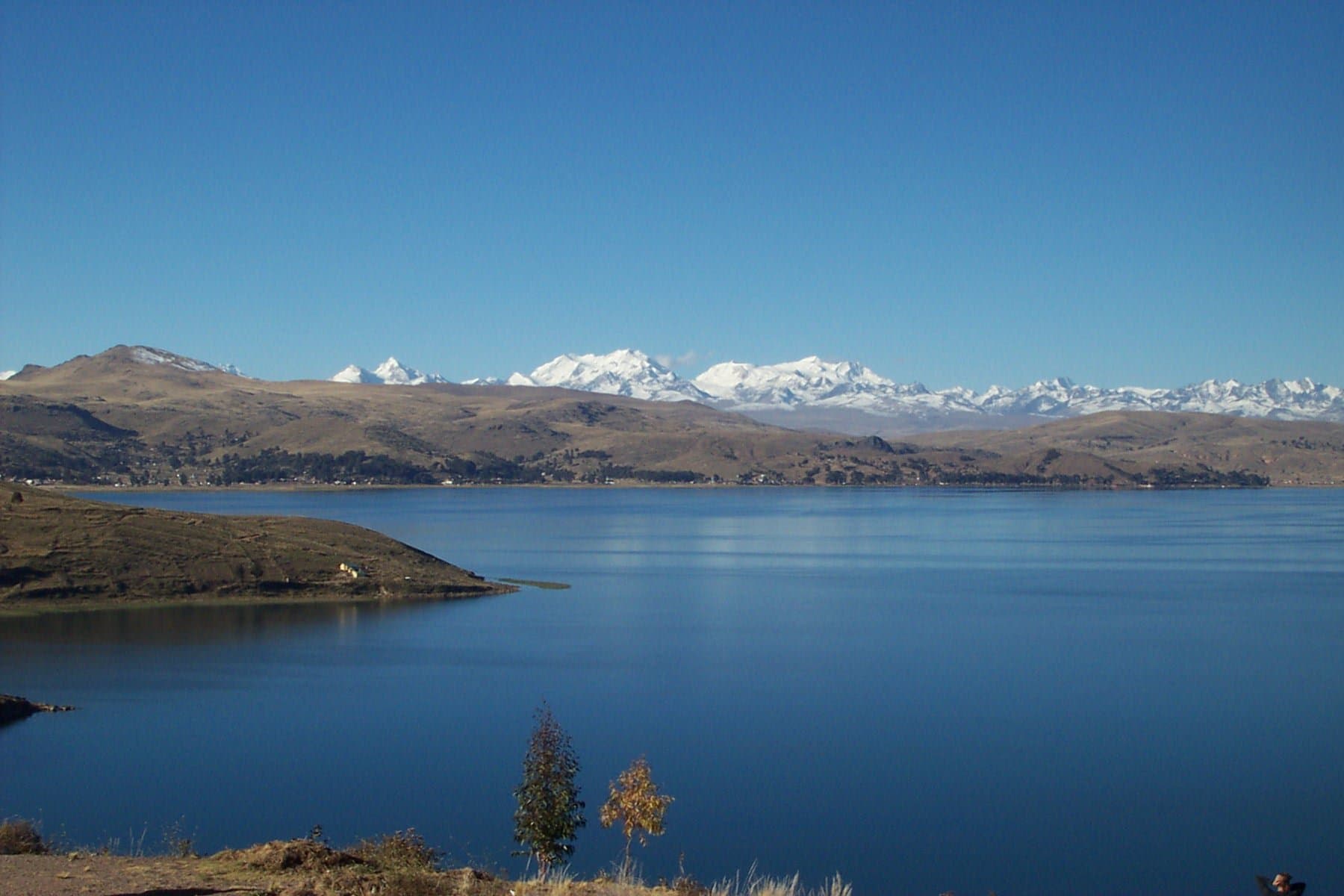
Why Visit Chachakumani
Chachakumani rises to over 6,000 meters in Bolivia’s Cordillera Real, offering a classic introduction to Andean mountaineering and trekking. Its accessible yet challenging terrain features permanent snowfields, dramatic ridges, and unobstructed views of neighboring giants such as Illimani and Ancohuma. Travelers come for the sense of isolation combined with relatively straightforward logistics from La Paz, making it an ideal choice for those seeking genuine high-mountain adventure without extreme technical demands.
How to Get There
Most visitors begin in La Paz and travel by road toward the village of Sorata or the trailhead near Milluni. The journey passes through the altiplano and into the eastern valleys, with the final approach on unpaved tracks suitable for sturdy vehicles or organized transfers. From the trailhead, a multi-day hike or mule-supported approach leads to base camp at around 5,000 meters. Independent travelers should confirm road conditions with local operators, as weather can affect access.
Best Time to Visit
The optimal window is the dry season from May through September, when stable weather reduces avalanche risk and improves visibility. Nights remain cold year-round at altitude, but daytime temperatures allow comfortable movement on snow. The wet season brings heavier snow and cloud cover, making route-finding more difficult and increasing objective hazards.
Climbing and Trekking Routes
The standard route follows a long glacier approach to the summit pyramid. Most parties spend two or three nights at high camp before a pre-dawn push to the top. Non-climbers can enjoy multi-day traverses linking Chachakumani with nearby passes for spectacular photography and acclimatization hikes. Guides are strongly recommended for the glacier sections.
Nearby Attractions
After descending, many extend their trip to the Condoriri group or the hiking trails around Sorata. Lake Titicaca lies within a day’s travel, providing cultural contrast to the mountain experience. The region also offers opportunities to visit traditional Aymara communities and observe local farming practices at lower elevations.