
Keep reading
Nearby & related
El Mirón Cave: Cantabria’s Paleolithic Burial Site
Step into a 19,000-year-old Magdalenian sanctuary high above the Asón valley.
10 November 2026
Discover Paleolithic paintings and archaeological layers inside this Cantabrian cave near the Asón valley.
The Cave of El Haza preserves some of the finest examples of Upper Paleolithic rock art in eastern Cantabria. Located on a limestone hillside above Ramales de la Victoria, the site offers visitors an intimate encounter with 20,000-year-old paintings of animals and abstract signs. Unlike larger show caves, El Haza maintains a quiet, low-impact atmosphere that highlights the fragility of the artwork.
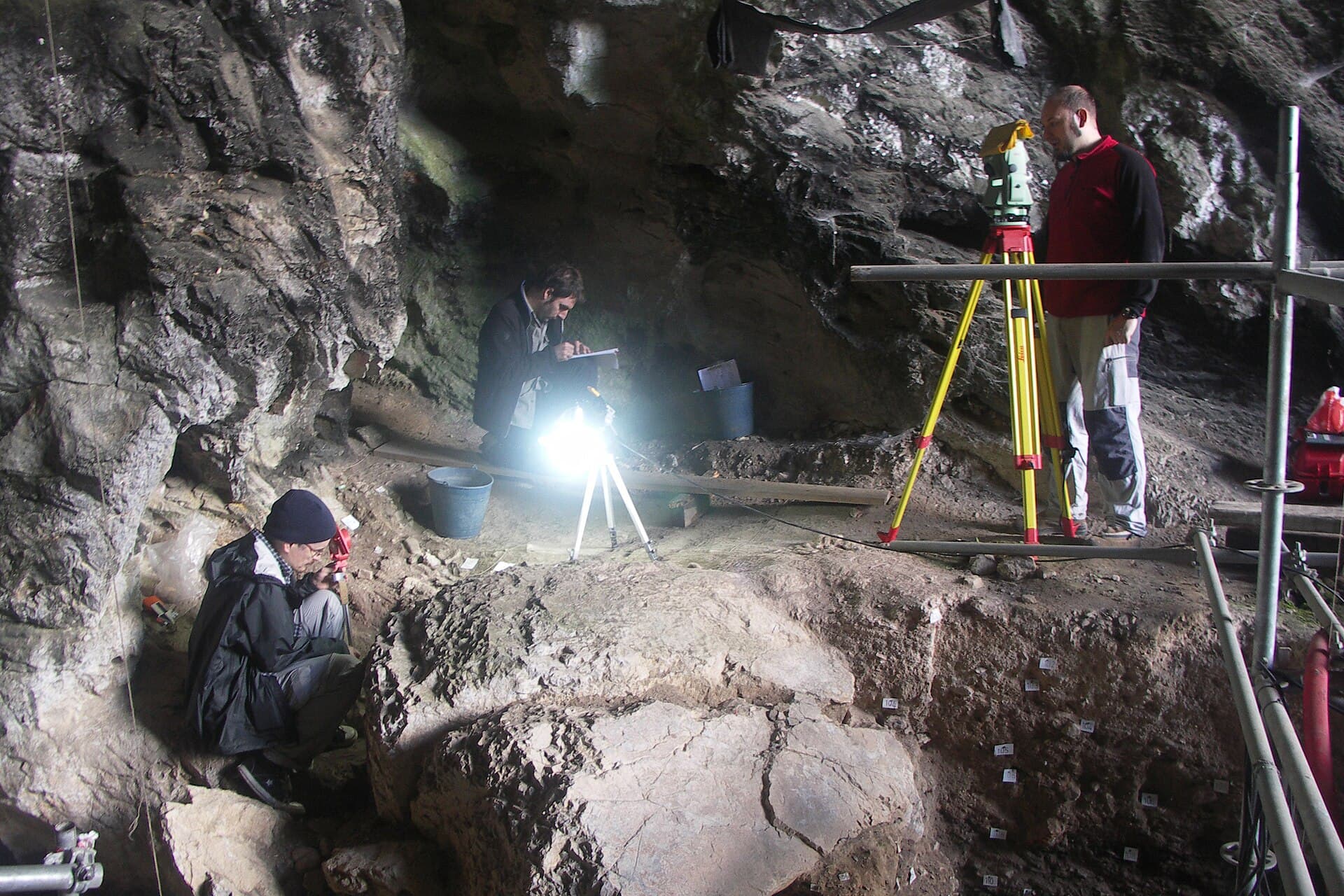
Inside the main chamber, red and black figures depict horses, deer, and bison along natural rock ledges. Smaller panels show hand stencils and geometric motifs. Excavations have also uncovered stone tools and occupation layers from the Magdalenian period, linking the cave to seasonal hunting camps that once dotted the Asón valley. Guides point out how the artists used the cave’s natural contours to give depth to the animals.
Spring and early autumn provide the most comfortable temperatures for the short uphill walk to the entrance. Summer visits are possible but can feel warm and humid inside; winter visits may be restricted by rain or low light. Morning slots usually offer better natural illumination for viewing the paintings.
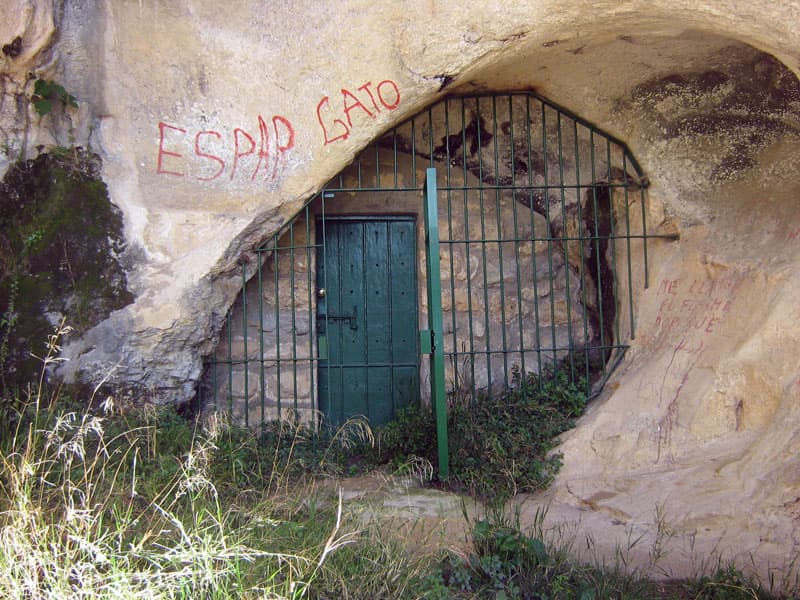
Ramales de la Victoria lies roughly 45 minutes by car from both Santander and Bilbao. From the town center, a signed footpath leads uphill through oak woodland to the cave entrance. The route takes about 20 minutes on foot and involves some uneven steps. Visitors without a vehicle can reach Ramales by regional bus from Santander and then arrange a local taxi or join a guided group.
These stops create a half-day itinerary focused on the region’s layered human history.
The cave is protected under Spanish heritage law. Small group sizes and timed entry help preserve the delicate environment. Visitors must stay on marked paths, avoid touching surfaces, and refrain from photography with flash. The experience rewards those who come prepared to observe quietly and respect the site’s age.
Yes. Access is only permitted with authorized guides who carry keys and explain the fragile paintings and archaeological context.
Most guided tours take 45 to 60 minutes, including the walk from the parking area and time spent inside the decorated chamber.
Children over eight usually manage the short walk and steps well, but the low light and uneven surfaces require close adult supervision.
Comfortable walking shoes, a light layer, and a small torch are recommended. Leave large bags and tripods at the entrance.
Yes. Many visitors pair El Haza with Cullalvera or Covalanas on the same day, as all lie within a short drive of Ramales de la Victoria.
Keep reading
Step into a 19,000-year-old Magdalenian sanctuary high above the Asón valley.