
Cave of Altamira: Spain’s Premier Showcase of Paleolithic Cave Art
Discover the extraordinary 36,000-year-old bison paintings and the museum that preserves their legacy in Cantabria.
Why the Cave of Altamira Matters
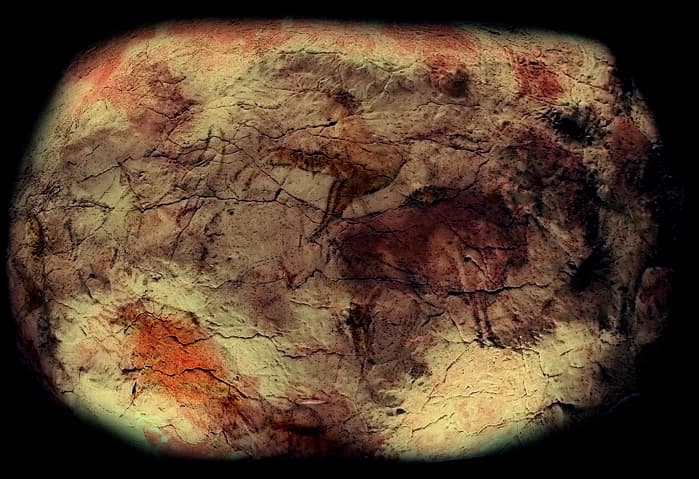
The Cave of Altamira stands among the world’s most important prehistoric sites because of its exceptionally preserved polychrome paintings of bison, horses, and deer created by Upper Paleolithic artists. These works, executed with natural pigments and exploiting the cave’s natural rock contours for three-dimensional effect, reveal sophisticated artistic skill and symbolic thinking from the Magdalenian period. The site’s recognition as a UNESCO World Heritage property underscores its value as a direct window into Ice Age life in northern Spain.
The Paintings and Their Setting
Inside the original chamber, visitors once saw a ceiling densely packed with life-size bison rendered in ochre, manganese, and charcoal. Subtle shading and the use of raised rock surfaces give the animals a sense of movement and volume rarely matched in other caves. Although public access to the fragile original is now restricted, the on-site museum presents a meticulously researched replica known as the Neocave, allowing close study of the same compositions under controlled lighting that highlights the artists’ techniques.
Understanding the Replica Experience
The Neocave reproduces every crack, bulge, and pigment layer of the famous Polychrome Ceiling at full scale. Informative panels and guided interpretation explain how the cave’s microclimate preserved the art and why conservation now limits visits to the authentic chamber. A small selection of original artifacts, including engraved bones and stone tools recovered during excavations, complements the replica and places the paintings in daily context.
Getting to Altamira
The site lies just outside the medieval village of Santillana del Mar, roughly 30 kilometers west of Santander. Travelers arriving by car can follow the A-8 motorway and exit toward Santillana; ample parking serves the museum complex. Regional buses connect Santander with Santillana del Mar several times daily, after which a short taxi or local shuttle reaches the cave entrance. From Bilbao or Oviedo the journey takes about two hours by road through rolling Cantabrian countryside.
Best Time to Visit
Spring and early autumn offer the most comfortable conditions for exploring the museum grounds and nearby village without the intense summer crowds that arrive from July through August. Weekday mornings generally provide quieter gallery time and easier access to interpretive talks. Winter visits can be rewarding for those interested in the surrounding landscape’s quiet atmosphere, though occasional mist may affect visibility on the approach roads.
Combining Altamira with Nearby Sites
Santillana del Mar’s well-preserved stone houses and collegiate church make an ideal base for a half-day visit. Within a short drive lie other significant caves, including the extensive galleries of El Castillo and the rock art of Las Monedas, both part of the same UNESCO serial listing. The coastal towns of Comillas and San Vicente de la Barquera add architectural contrast with their Modernist and medieval monuments, rounding out a multi-day itinerary focused on Cantabria’s prehistoric and historic heritage.
Visitor tips
- Reserve timed entry tickets for the museum well ahead during spring and autumn weekends, when demand from regional visitors peaks.
- Wear comfortable shoes for the gentle slopes and gravel paths leading from the parking area to the museum entrance.
- Allow at least two hours to view the Neocave, the artifact displays, and the short introductory film without rushing.
Frequently asked questions
Can visitors enter the original Cave of Altamira?
Public access to the authentic painted chamber is currently closed to protect the fragile pigments; the museumu2019s full-scale Neocave provides the primary visitor experience.
How long does a typical visit take?
Most guests spend between 90 minutes and two hours exploring the replica, exhibits, and outdoor interpretive trail.
Is the site suitable for children?
Yes, the museum offers clear signage and a short film that engages younger visitors, though strollers are not permitted inside the Neocave chamber.
What other prehistoric caves are nearby?
The Monte Castillo caves, featuring hand stencils and animal engravings, lie about 20 minutes away by car and share the same UNESCO designation.
Are guided tours available in English?
The museum provides occasional English-language interpretation upon request; audio guides in several languages cover the main galleries at all times.