
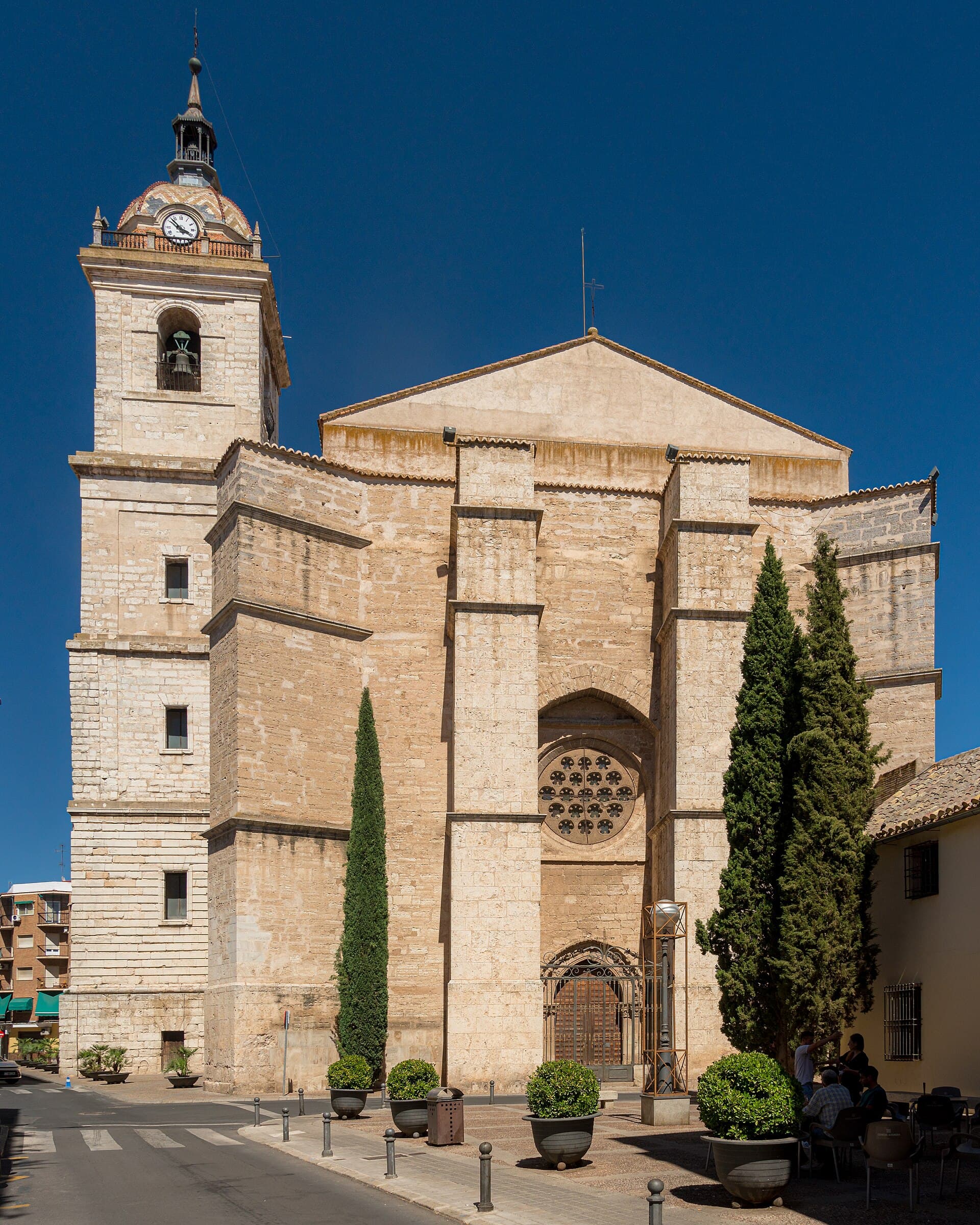
Cathedral of Ciudad Real: A Gothic-Renaissance Landmark in the Heart of La Mancha
This historic cathedral anchors the city center with layered architecture, intricate stonework, and quiet chapels that reveal Castile-La Mancha’s medieval past.
Why the Cathedral of Ciudad Real Stands Out
Built over several centuries on the site of an earlier church, the Cathedral of Ciudad Real combines late Gothic structure with Renaissance and Baroque additions. Its tall nave, star vaults, and detailed portal make it a focal point for understanding how religious architecture evolved in inland Spain. The building’s scale feels imposing yet human, set against the flat plains that surround the city.
Architectural Features Worth Seeking Out
Enter through the main portal to see the transition from pointed Gothic arches to rounded Renaissance elements in the transept. Look up at the ribbed vaults that cover the central aisle and the side chapels dedicated to local saints. The high altar area holds a large retablo with carved figures and paintings that reward close viewing. Side chapels contain smaller altarpieces and tombs that illustrate changing tastes across the 15th to 18th centuries. Stained glass windows filter soft light onto the stone floors, especially noticeable in the late afternoon.
How to Reach the Cathedral
Ciudad Real’s train station lies a short walk from the old quarter; high-speed trains connect the city directly to Madrid in under an hour. Once in the center, the cathedral sits on a pedestrian-friendly square near the main shopping streets. Drivers can use public parking garages on the ring road and continue on foot through the historic grid.
Best Time to Visit and Nearby Attractions
Spring and early autumn bring mild temperatures ideal for walking between the cathedral and the surrounding monuments. Summer heat can make midday exploration less comfortable, while winter offers fewer crowds but shorter daylight. After your visit, stroll to the nearby Plaza Mayor for cafés and the ruins of the medieval city walls. The Don Quixote route extends into the surrounding countryside, where windmills and vineyards provide a classic La Mancha landscape. The regional museum, a few blocks away, displays archaeological finds that complement the cathedral’s long history.
Practical Orientation Inside the Building
Allow at least 45 minutes to move slowly through the nave and chapels. Guided tours sometimes focus on the construction phases visible in the stonework. Photography is permitted in most areas without flash, though certain chapels may restrict it during services. The attached cloister offers a quieter outdoor space for reflection before returning to the street.
Visitor tips
- Pair the cathedral visit with a walk along Calle de Toledo to see how the building integrates with the cityu2019s medieval street pattern.
- Carry water and wear comfortable shoes, as the flat but extensive stone floors can feel tiring after other city sights.
- Check the posted schedule for any choral or organ events that occasionally take place in the evenings.
Frequently asked questions
How long should I plan to spend inside the Cathedral of Ciudad Real?
Most visitors spend 45 to 60 minutes exploring the nave, side chapels, and main altarpiece at a comfortable pace.
Is the cathedral suitable for visitors with mobility needs?
The main floor is largely level with wide aisles, though some side chapels have single steps; assistance is usually available at the entrance.
What other sights are within easy walking distance?
The Plaza Mayor, medieval city walls, and the regional museum are all located within a 10-minute walk of the cathedral square.
Can I combine a cathedral visit with a day trip from Madrid?
Yes, the high-speed train reaches Ciudad Real in under an hour, allowing a relaxed half-day itinerary focused on the cathedral and center.
Are there quieter times to avoid crowds?
Weekday mornings after opening and late afternoon on non-holiday days typically see fewer visitors than weekends or festival periods.