Keep reading
Nearby & related
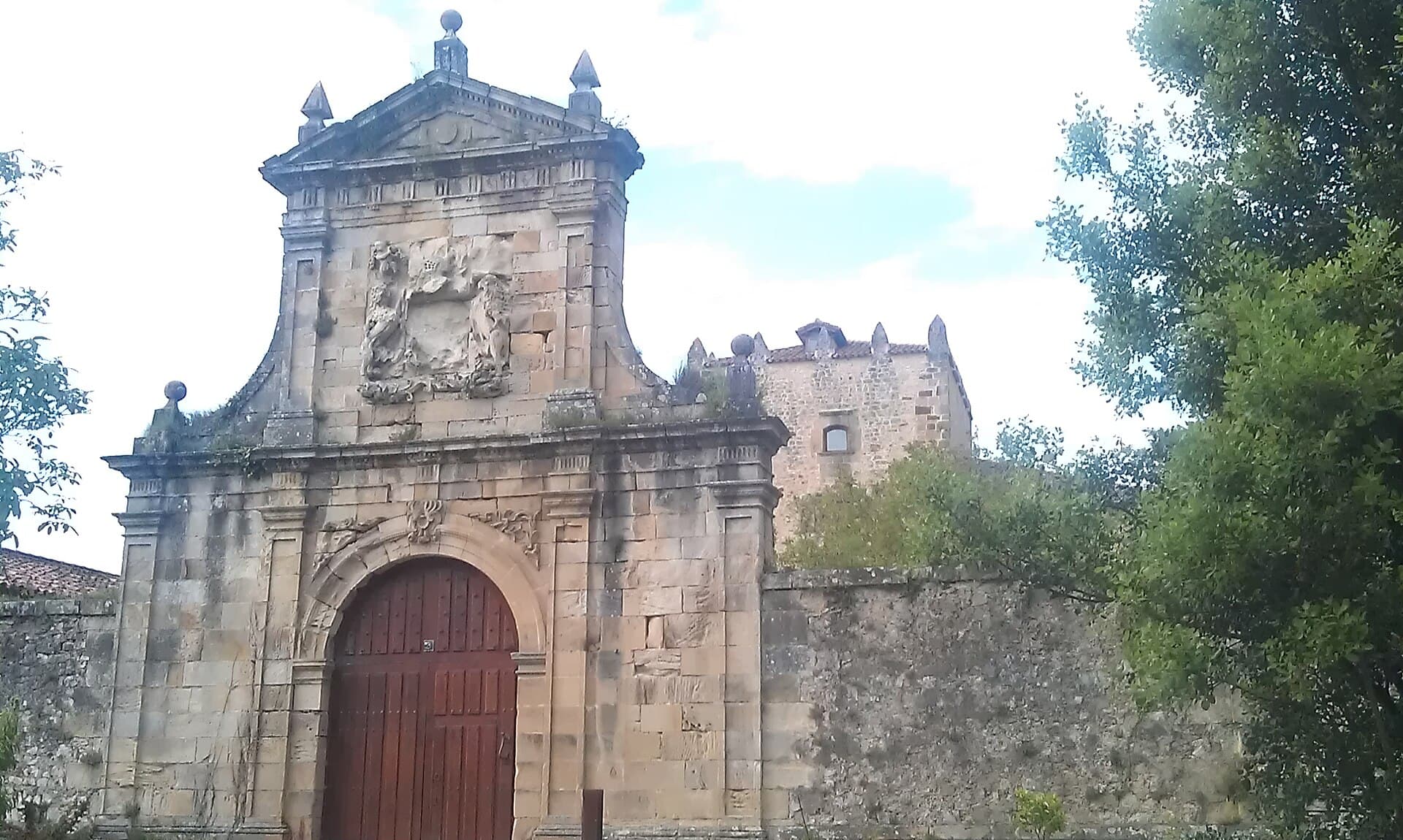
Tower of Velo: A Medieval Landmark in Piélagos, Cantabria
Explore the enduring stone Tower of Velo, a 15th-century fortified residence that reveals Cantabria’s noble past amid…
11 November 2026
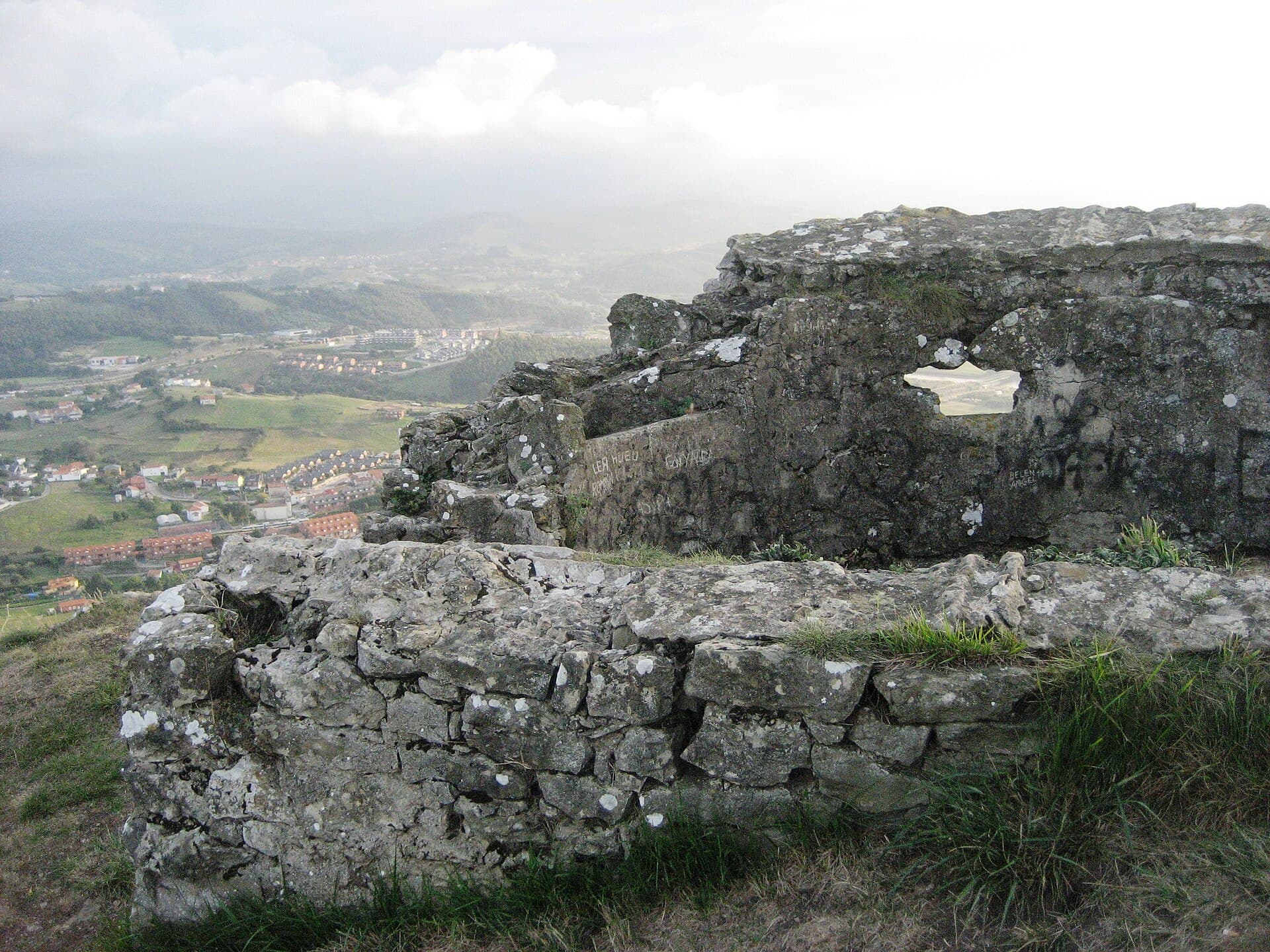
A 14th-century fortress in Piélagos offering sweeping valley views and a tangible link to Cantabria’s feudal past.
The Castle of Pedraja stands on a low rise above the Pas valley, its origins tracing to the 14th century when local lords needed a defensible base amid regional power struggles. Built from local sandstone, the structure features a tall cylindrical keep and remnants of curtain walls that once enclosed a small courtyard. Unlike larger coastal fortresses, it served more as a watchtower and residence than a major military outpost, reflecting the feudal landholding patterns of inland Cantabria.
Visitors can walk the accessible perimeter path to examine the keep’s narrow arrow slits and the surviving machicolations. Inside the open courtyard, interpretive panels outline the building phases without obstructing the stonework. The elevated position delivers clear views across rolling farmland toward the distant Bay of Biscay on clear days. Photographers favor the golden-hour light that warms the sandstone, while history enthusiasts appreciate the intact defensive layout that remains rare among Cantabria’s smaller castles.
The castle lies just off the N-634 highway between Santander and Torrelavega. Drivers should exit toward Renedo de Piélagos and follow local signs for “Castillo de Pedraja.” A short unpaved track leads to a small parking area at the foot of the slope; the final ascent is a gentle five-minute walk on grass and gravel. Public transport is limited, so most visitors arrive by car or taxi from Santander’s bus or train stations.
Spring and early autumn offer the most comfortable temperatures and fewer insects than summer. Winter visits are possible but can be muddy after rain; the site has no shelter. Weekday mornings provide the quietest experience, especially during local school holidays when families head to the coast instead.
Combine a castle stop with the dune-backed beaches of Liencres, only ten minutes away by car, or continue to the historic center of Santander for its waterfront promenade and cathedral. Further afield, the prehistoric caves of Altamira and the medieval town of Santillana del Mar make rewarding half-day extensions.
Keep reading
Explore the enduring stone Tower of Velo, a 15th-century fortified residence that reveals Cantabria’s noble past amid…
The exterior grounds are accessible year-round, though access may be limited during private events or heavy weather.
Most visitors spend 45 to 90 minutes exploring the perimeter and taking photographs.
No facilities exist at the castle itself; the nearest services are in the village of Renedo de Piu00e9lagos.
The gentle slopes and open paths make it family-friendly, but parents should watch for uneven ground near the walls.
A small parking area sits at the base of the hill; the final approach is a short walk on foot.
A sheltered sandy cove framed by cliffs and dunes on Cantabria’s western shore.
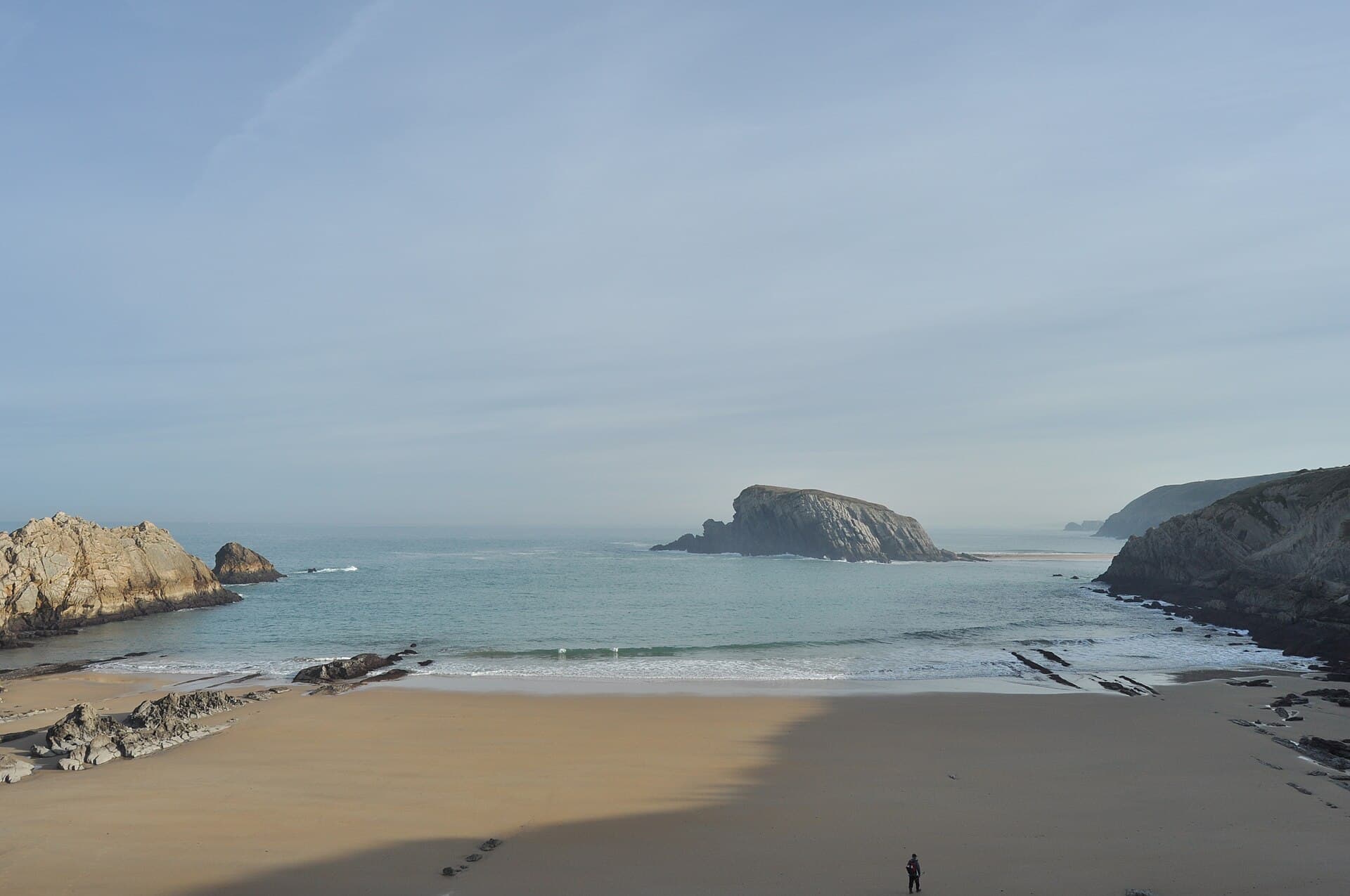
A quiet, cliff-backed cove in Piélagos offering pristine sand and dramatic coastal scenery just west of Santander.