
Keep reading
Nearby & related
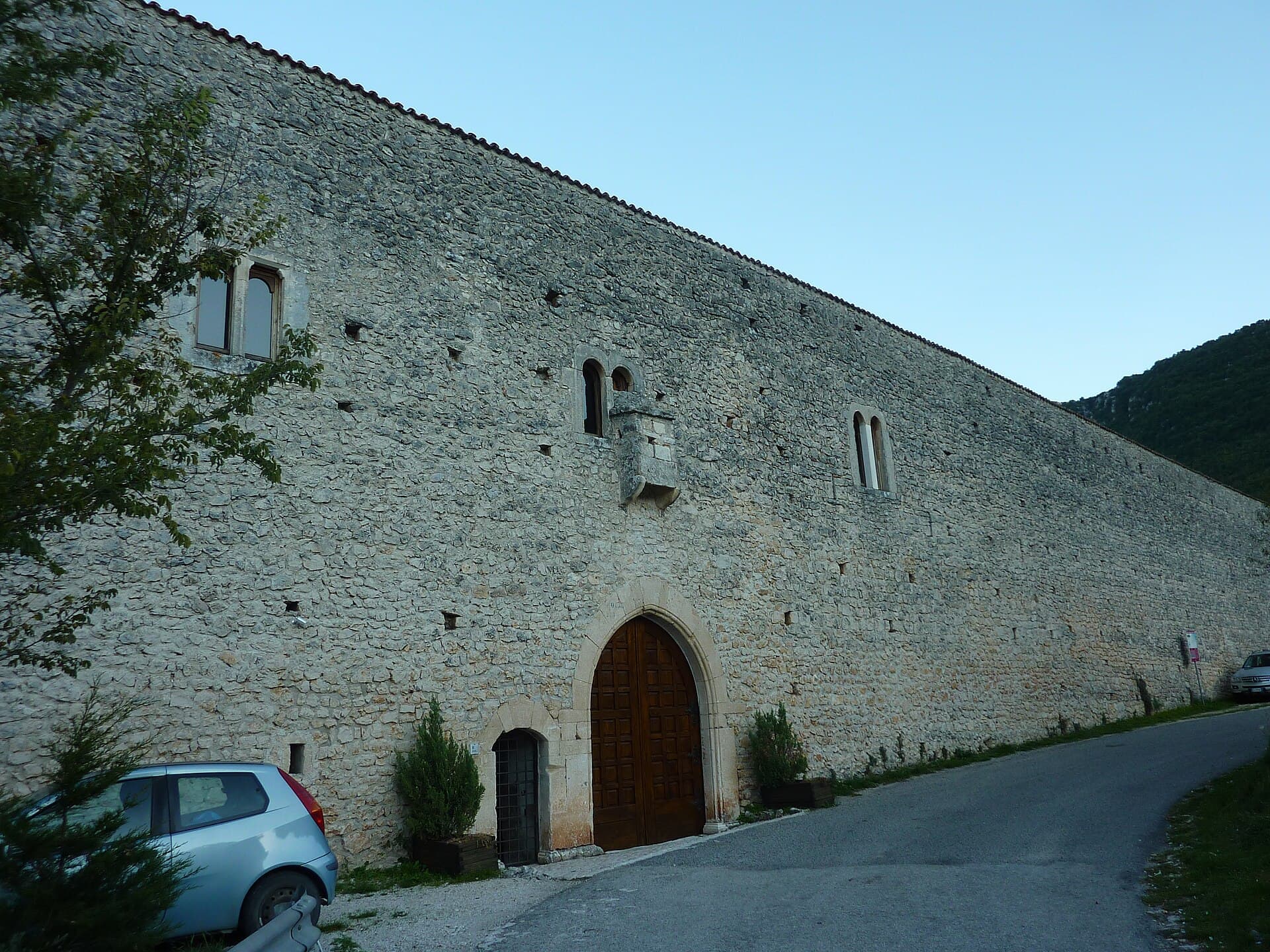
Santo Spirito Monastery: Medieval Serenity in Ocre, Abruzzo
Explore the historic Abbey of Santo Spirito, a tranquil medieval monastery set against the dramatic Apennine foothills…
15 August 2026
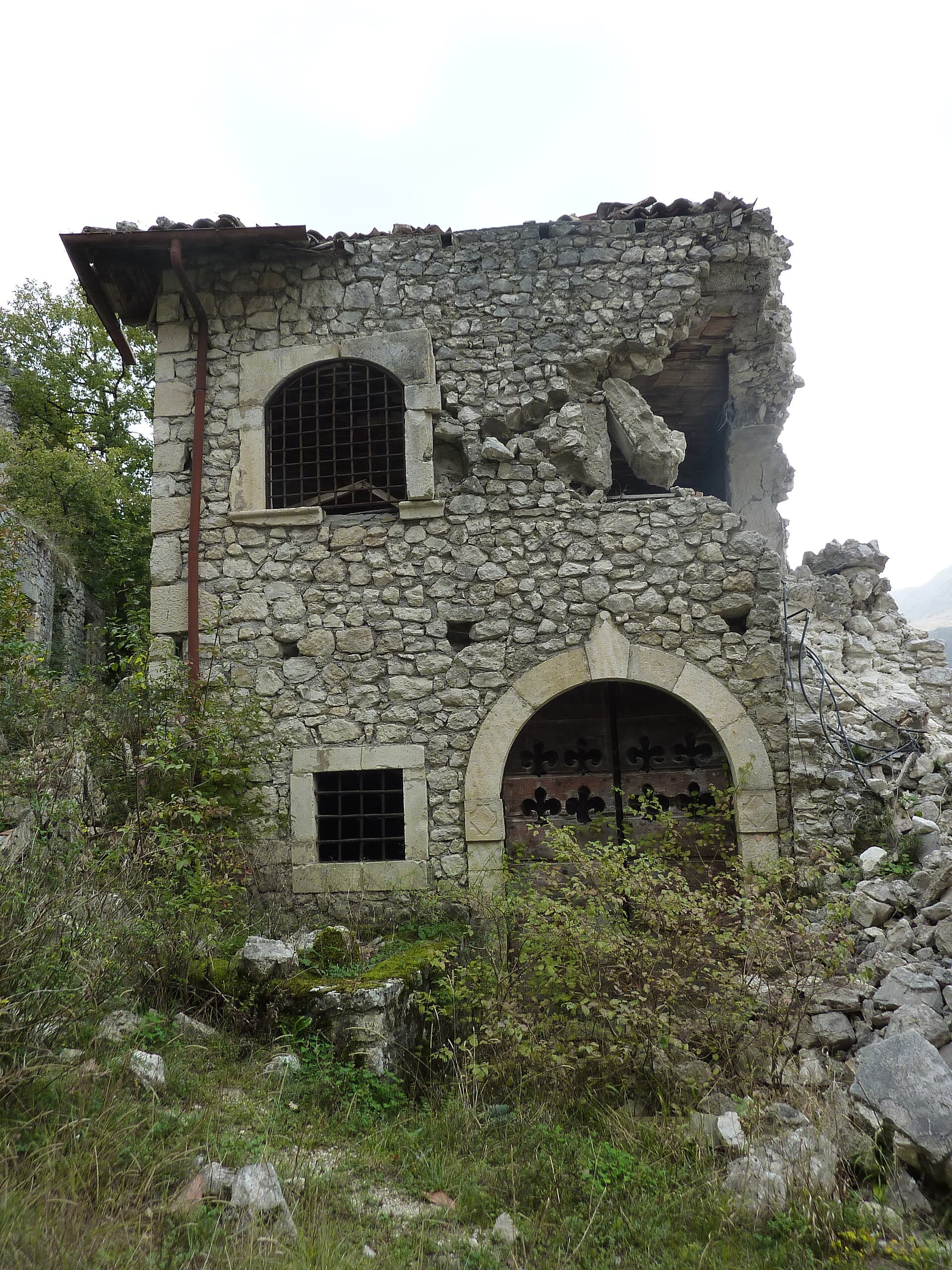
Perched on a rocky spur overlooking the village of Ocre, this 13th-century castle rewards visitors with sweeping mountain views and quiet traces of medieval life.
The Castle of Ocre rises directly above the compact medieval village of the same name, its cylindrical towers and curtain walls still visible against the backdrop of the Gran Sasso massif. Unlike larger, restored fortresses, this site retains a quiet, half-ruined character that lets travelers feel the passage of time without crowds or commercial overlays.
Enter through the surviving gatehouse and follow the path that circles the inner ward. The best-preserved feature is the tall eastern tower, which still reaches three storeys and offers a narrow window overlooking the Aterno valley. Scattered masonry reveals the original layout of the keep, chapel, and cisterns. Because the castle sits on a narrow ridge, every viewpoint delivers a different angle of the surrounding limestone peaks and the distant L’Aquila plain.
Ocre lies roughly 15 km southeast of L’Aquila. Drivers can follow the SP1 then the narrow SP5a up to the village; parking is available at the edge of the historic core. Regional buses stop in the lower part of Ocre; from there the walk to the castle is straightforward but steep. No shuttle operates to the summit, so sturdy footwear is essential.
Late spring and early autumn bring mild temperatures and clear visibility across the Apennines. Summer afternoons can be hot on the exposed ridge; winter visits are possible after snowfall but require caution on icy paths. Early morning or late afternoon light highlights the texture of the stone walls and reduces glare for photography.
After the castle, continue to the nearby hamlets of San Demetrio ne’ Vestini or Fossa to see additional examples of Abruzzo’s stone architecture. The Gran Sasso e Monti della Laga National Park trailheads are a short drive north, while the historic center of L’Aquila offers museums and restaurants for a full-day itinerary.
Yes, the site is an open ruin with no ticket booth or staff; visitors may explore at their own pace.
No; vehicles must be left in the village parking area, after which a short uphill walk is required.
There are none on site; the nearest facilities are in the village square below.
The route is short but steep and rocky in places; families with small children or those with mobility concerns may find it challenging.
Most people spend 45 to 90 minutes walking the walls and taking in the views before returning to the village.
Yes; many visitors drive from Ocre to trailheads near Assergi or Fonte Cerreto after seeing the castle.
Keep reading
Explore the historic Abbey of Santo Spirito, a tranquil medieval monastery set against the dramatic Apennine foothills…