
Keep reading
Nearby & related
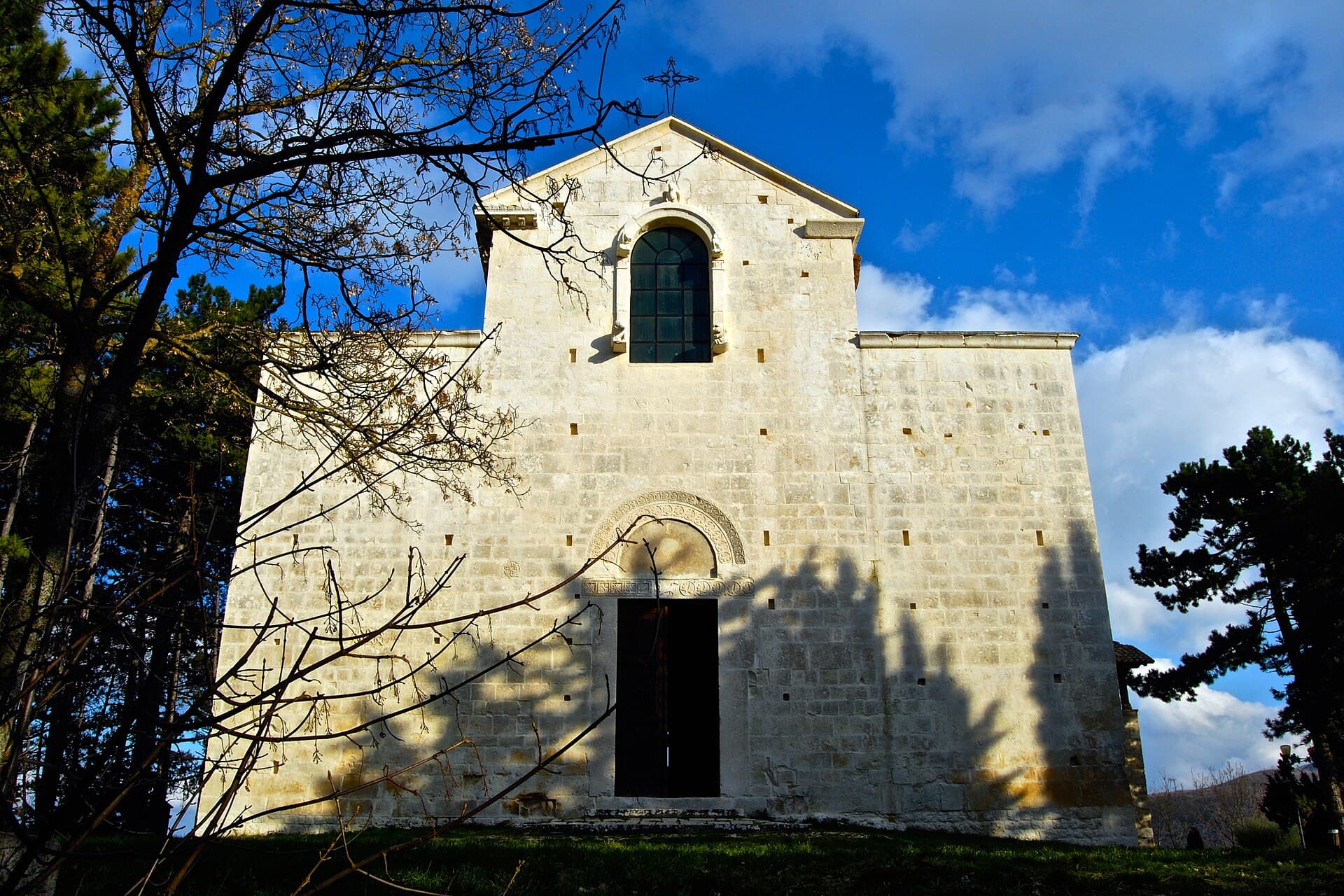
Church of Santa Maria Assunta in Caporciano: Medieval Heart of Abruzzo
Explore the enduring stone architecture and quiet hilltop setting of this historic church near L’Aquila.
15 August 2026
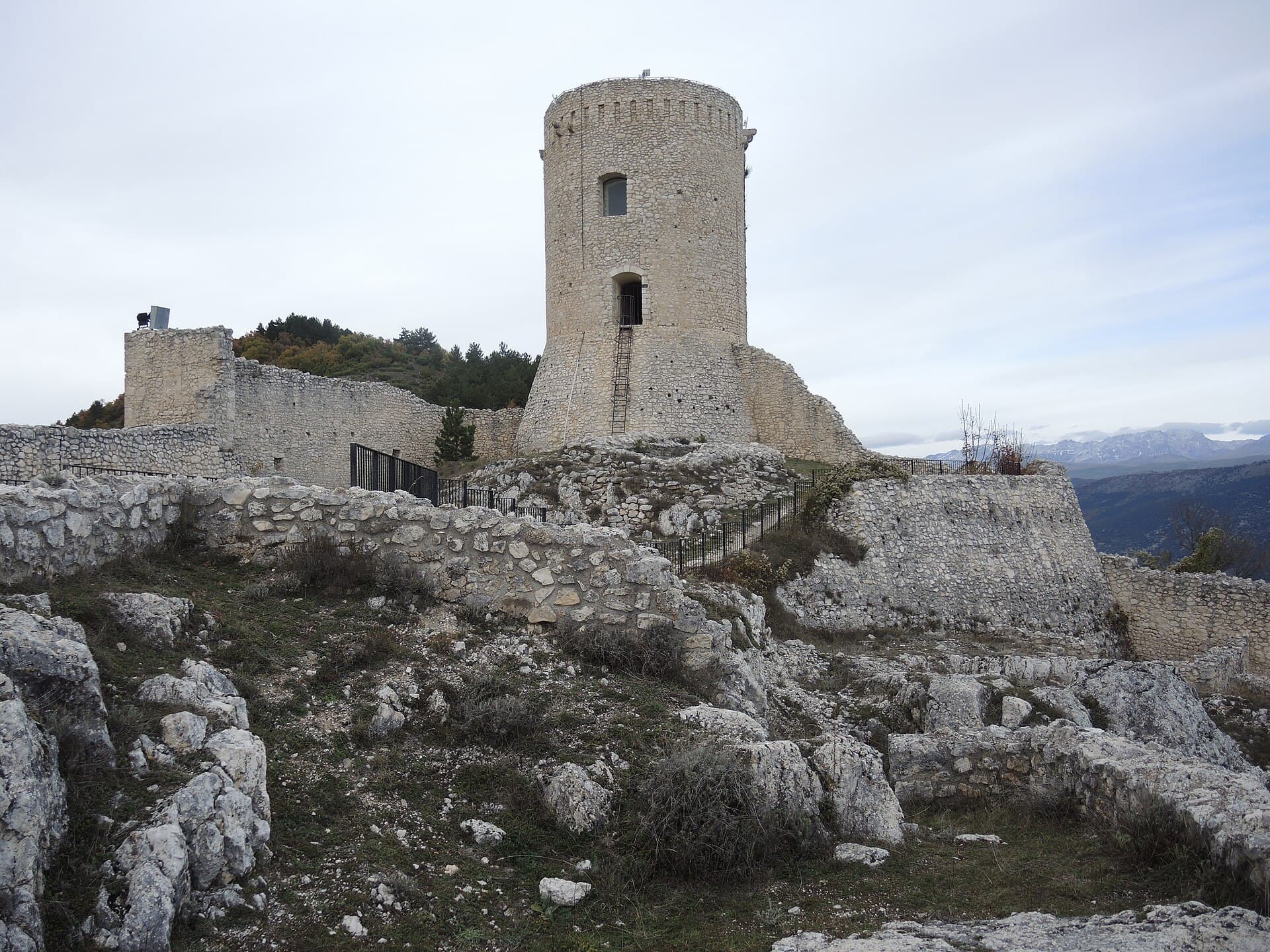
Explore the hilltop ruins of this 12th-century Abruzzo castle offering sweeping views across the Aterno Valley.
Perched on a rocky spur above the village of Bominaco in Caporciano, this compact medieval fortress rewards visitors with an authentic sense of Abruzzo’s layered past. Unlike larger, restored castles elsewhere in Italy, Bominaco remains a quiet, atmospheric site where you can walk the original walls and trace the layout of its defensive towers without crowds.
Built in the mid-12th century under Norman influence, the castle protected the important Benedictine abbey below and controlled the valley route between L’Aquila and Sulmona. Its surviving elements include a tall rectangular keep, sections of curtain wall, and a small courtyard that once housed stables and barracks. The stonework shows clear Lombard and Norman influences typical of Abruzzo’s mountain strongholds.
The castle sits 3 km above Caporciano village. Most visitors arrive by car via the SP5 from L’Aquila (about 25 km) or the SS5 from Sulmona. A narrow paved road leads to a small parking area just below the ruins; the final approach is on foot along a gravel track. Public transport is limited, so a rental car or taxi from nearby towns is the most practical option.
Spring (April–June) and autumn (September–October) offer mild temperatures and clear visibility for valley views. Summer brings strong sun on the exposed hilltop, while winter snow can make the access road impassable without chains. Early morning visits avoid the midday heat and give the best light for photography.
Combine the castle with the frescoed abbey church below, then continue to the fortified village of Castelvecchio Calvisio or the hiking trails of the Gran Sasso e Monti della Laga National Park. The medieval center of L’Aquila lies less than an hour’s drive northwest.
Access to the ruins is free; donations are sometimes requested at the nearby abbey church.
Most visitors spend 45u201360 minutes walking the walls and exploring the keep, plus extra time for the abbey below.
Snow and ice often close the access road from December to March; check local conditions before traveling.
Occasional guided walks are offered by local cultural associations; inquire at the Caporciano town hall or nearby tourist offices.
The uneven terrain and lack of barriers make it best for older children comfortable with hiking; very young children need close supervision.
Keep reading
Explore the enduring stone architecture and quiet hilltop setting of this historic church near L’Aquila.