
Keep reading
Nearby & related
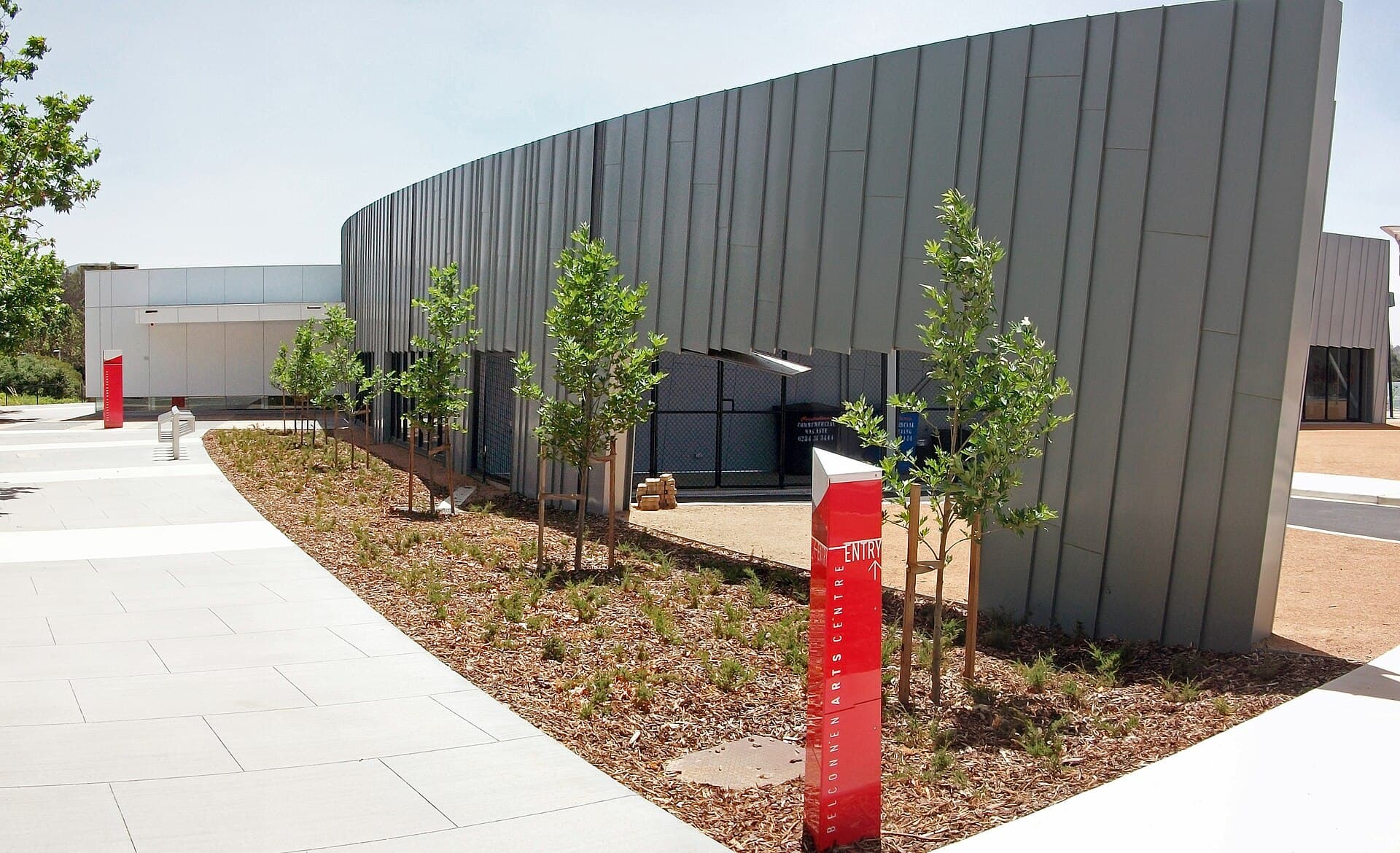
Belconnen Arts Centre: Contemporary Creativity in Canberra’s Belconnen District
Discover exhibitions, performances and community programs at this lively arts hub north of Canberra’s city centre.
18 September 2026
A rewarding bushwalk to sweeping outlooks over the ACT and Brindabella Ranges.
Castle Hill rises prominently in the Australian Capital Territory, providing one of the most accessible high-country experiences close to Canberra. Its rocky summit delivers uninterrupted 360-degree views across the city, Lake Burley Griffin, and the distant snow-capped Brindabellas. The mountain forms part of the rolling granite landscape typical of the region, supporting diverse eucalypt woodland and seasonal wildflower displays.
From central Canberra, drive south on the Monaro Highway and turn onto Naas Road, then follow the unsealed but well-graded Castle Hill Road for approximately 15 kilometres. The final section requires a high-clearance vehicle after rain, though standard cars can usually manage in dry conditions. Park at the signed trailhead where basic signage indicates the start of the walking track.
The main route is a steady 4-kilometre return walk with 300 metres of elevation gain. The path begins through open woodland, crosses several small gullies, and steepens near the top where granite boulders require careful footing. Most fit walkers complete the round trip in two to three hours, including time at the summit for photographs and lunch.
Spring (September to November) brings mild temperatures and peak wildflower displays. Autumn (March to May) offers clear skies and fewer insects. Summer visits demand an early start to avoid heat, while winter can bring strong winds and occasional frost on the summit. Always check the ACT fire-danger rating before setting out.
Many visitors continue to Tidbinbilla Nature Reserve for wildlife enclosures or drive further into Namadgi National Park for longer day walks. The historic village of Tharwa, with its café and river crossing, makes a convenient stop on the return journey to Canberra.
Keep reading
Discover exhibitions, performances and community programs at this lively arts hub north of Canberra’s city centre.
It is rated moderate. The gradient is steady rather than extreme, but the rocky final 500 metres requires reasonable fitness and balance.
Older children with hiking experience usually manage the distance, but the steep and uneven terrain near the summit makes it unsuitable for very young kids or prams.
No facilities exist at the trailhead. Carry all drinking water and plan toilet stops in Tharwa or before leaving Canberra.
Overnight camping is not permitted. The area is managed for day-use only to protect the fragile summit vegetation.
Eastern grey kangaroos graze near the lower track at dawn and dusk. Birds of prey are common overhead, and small lizards bask on the granite rocks near the summit.
Explore the accessible trails, wildflower meadows and sweeping views from Mount Rogers, a compact peak in Canberra’s…
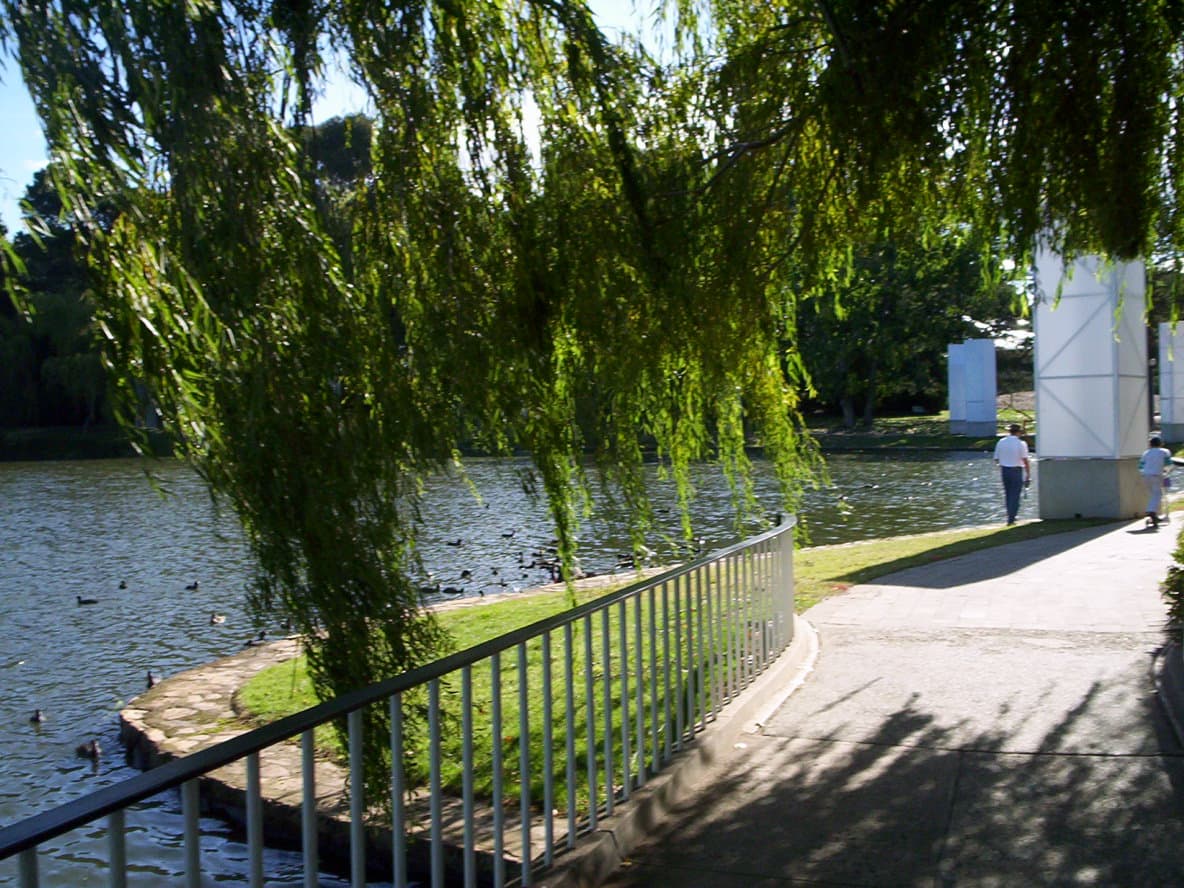
Explore the manicured gardens, public art, and seasonal festivals that make Commonwealth Park a central green space on…