Why Visit Castillo de San Vicente de la Barquera
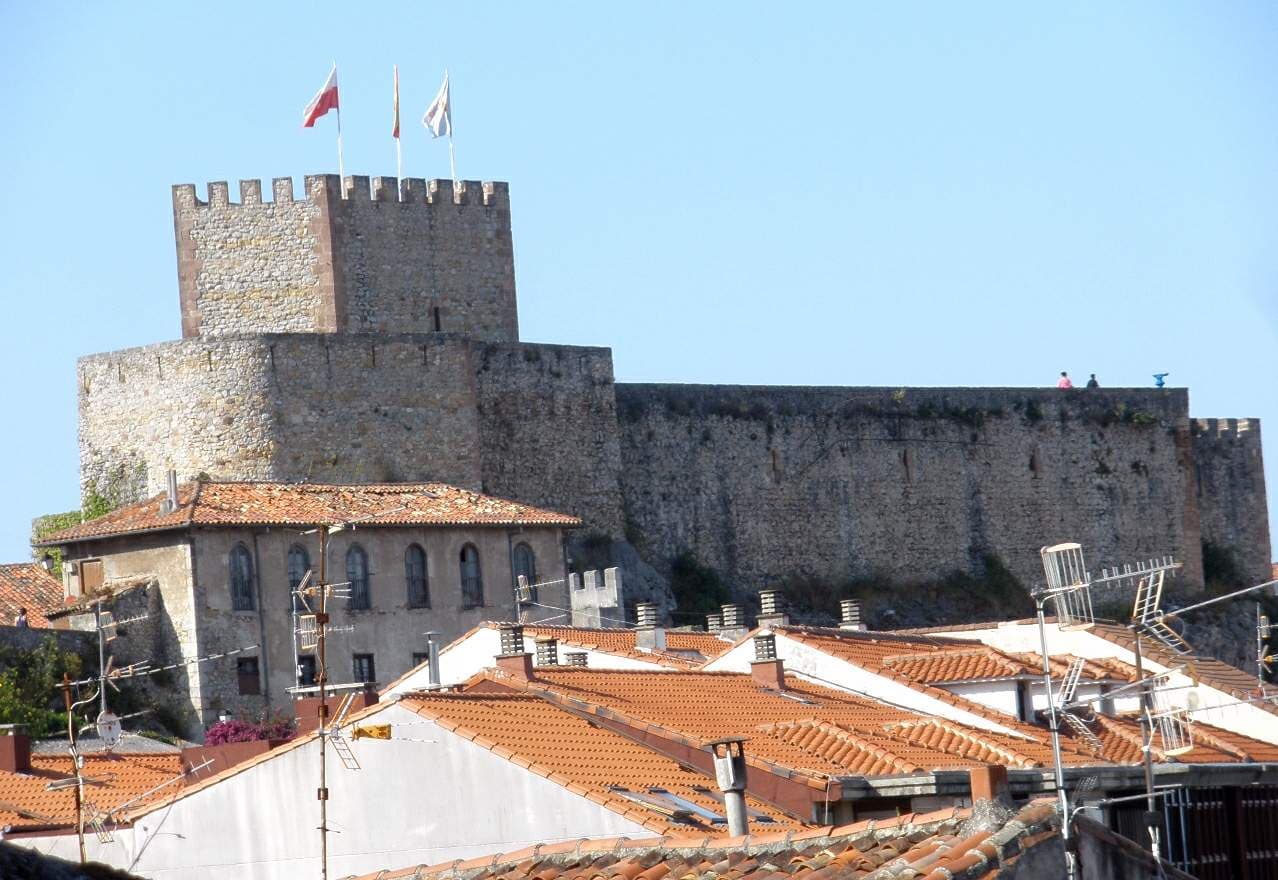
Perched on a rocky promontory above the ría, the Castillo de San Vicente de la Barquera offers visitors an intimate look at medieval defensive architecture while housing exhibits on Cantabrian maritime heritage. Its elevated position delivers unobstructed panoramas of the estuary, surrounding hills, and the Bay of Biscay, making it a rewarding stop for history enthusiasts and photographers alike.
History and Architecture
Built in the early 13th century during the reign of Alfonso VIII, the fortress guarded the strategic port and controlled access along the Cantabrian coast. Thick stone walls, a restored keep, and remnants of the original gatehouse illustrate typical medieval military design adapted to the steep terrain. Over centuries it served as a royal residence, prison, and customs post before becoming a museum dedicated to regional archaeology and seafaring traditions.
Museum Exhibits
Inside, displays trace local settlement from Roman times through the Middle Ages, featuring pottery shards, navigational instruments, and models of traditional fishing vessels. Interpretive panels in Spanish and English explain how the castle’s location shaped trade and defense. Outdoor terraces allow close inspection of the battlements and provide the best vantage points for estuary sunsets.
Getting There
San Vicente de la Barquera lies along the A-8 motorway between Santander and Llanes. From the town center, a steep but short footpath leads uphill to the castle entrance; drivers can use the limited parking area near the base of the hill. Regional buses stop in the main square, and the FEVE railway station is a 15-minute walk away. The site pairs easily with a coastal drive along the N-634.
Best Time to Visit
Spring and early autumn bring mild temperatures ideal for walking the ramparts without summer crowds. Mornings often offer clearer skies for photography, while late afternoons highlight golden light over the water. Winter visits are quieter but can be windy; sturdy footwear helps on uneven cobblestones year-round.
Nearby Attractions
- The medieval Puente de la Maza spans the ría just below the castle.
- Senda del Litoral coastal path offers flat walking with seabird spotting.
- Playa de Merón beach lies five minutes by car for a post-visit swim.
- The historic fishing quarter of El Barrio provides fresh seafood restaurants and traditional architecture.