
Keep reading
Nearby & related
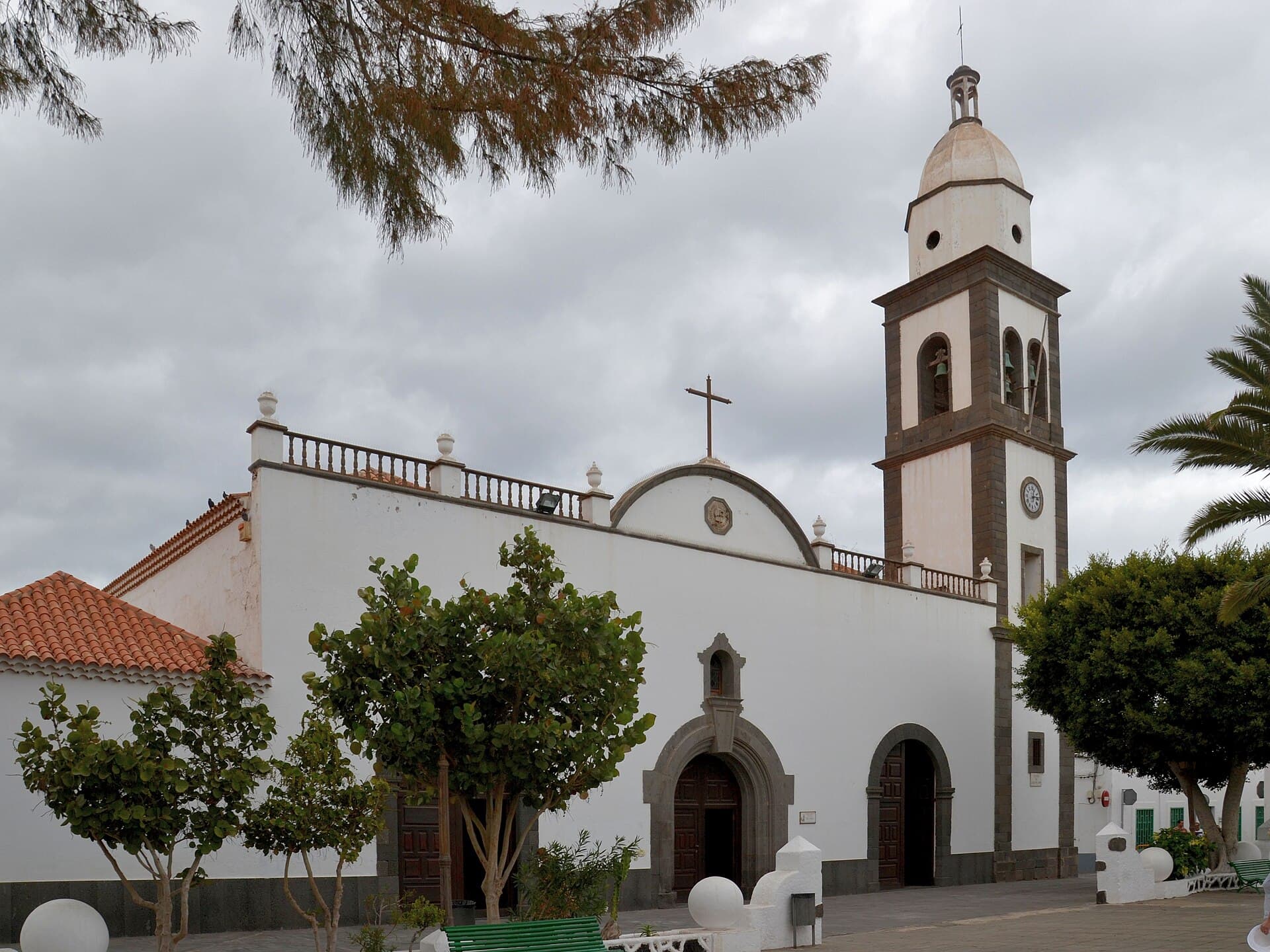
San Ginés Church: Arrecife’s Timeless Spiritual Center
Discover the 17th-century parish church that anchors daily life and history in Lanzarote’s capital.
12 November 2026
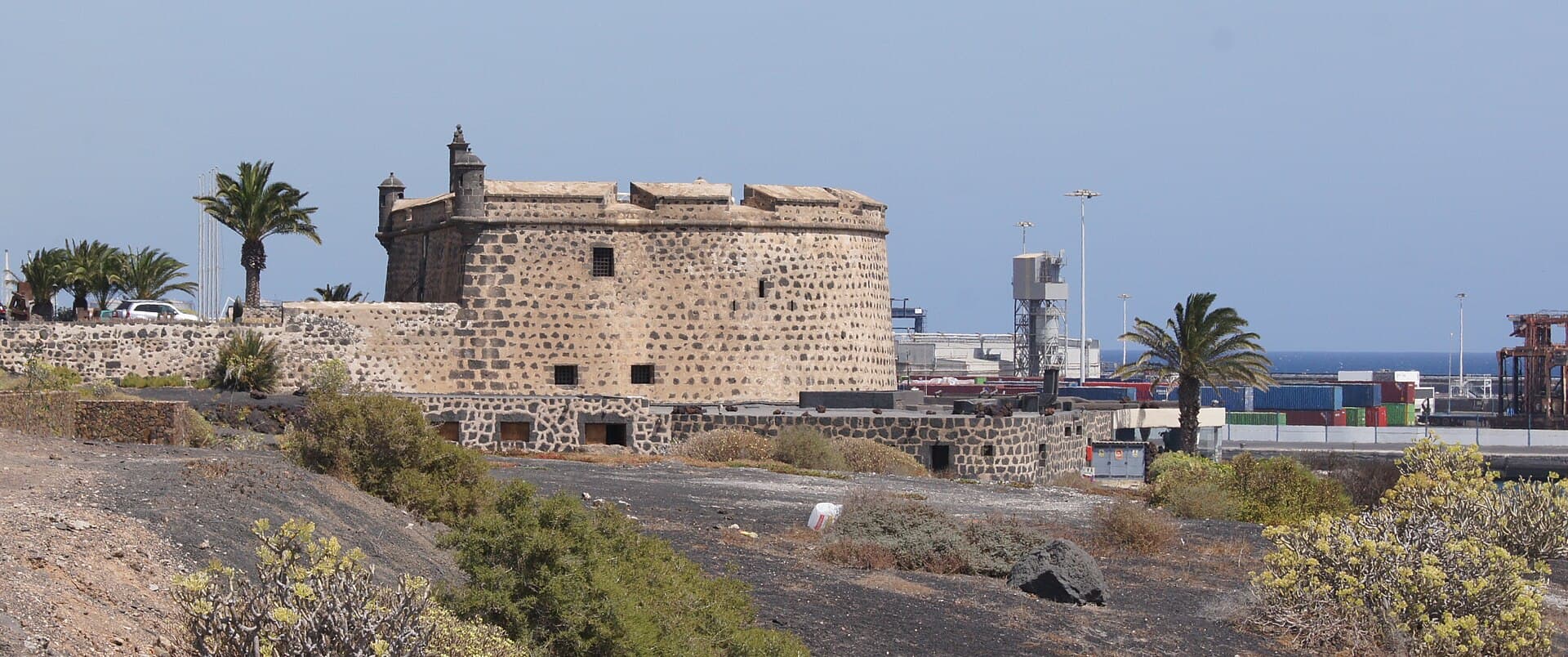
Step inside Lanzarote’s historic harbor castle to experience striking modern art against volcanic seascapes.
Castillo de San José was constructed between 1771 and 1779 on the orders of King Charles III to protect Arrecife from pirate raids. Its thick volcanic-stone walls and strategic position overlooking the Atlantic still convey its original defensive purpose. Today the fortress serves as the home of the International Museum of Contemporary Art (MIAC), preserving both military heritage and a significant collection of 20th-century works.
The museum displays paintings, sculptures and installations by international figures such as Picasso, Miró, Tàpies and Millares alongside Canary Islands artists. Permanent galleries occupy the former gunpowder magazine and barracks, where the contrast between rough stone vaults and abstract canvases creates a memorable setting. Temporary exhibitions rotate regularly, often highlighting themes tied to Lanzarote’s volcanic landscape.
After viewing the art, visitors climb to the upper terrace for sweeping panoramas of Arrecife’s marina, the Castillo de San Gabriel and the distant mountains of Fuerteventura on clear days. The terrace also functions as an open-air space for sculpture and seasonal events.
The castle stands on the eastern edge of Arrecife’s old town, a 15-minute walk from the main bus station and cruise terminal. Those arriving by car can use the adjacent paid parking area. Several city bus routes stop nearby, and taxis from the airport take roughly 15 minutes. The coastal promenade provides a scenic walking route from the city center.
Early morning or late afternoon offers softer light for photography and fewer crowds. Winter and spring months bring milder temperatures ideal for combining the museum visit with a harbor stroll. Summer afternoons can be hot and windy on the exposed terrace.
Within easy reach are the sandy beaches of Playa del Reducto, the bustling marina with its seafood restaurants, and the César Manrique Foundation in nearby Tahíche. A short drive leads to the lava-formed Jameos del Agua and the Cueva de los Verdes, both emblematic of Lanzarote’s volcanic geology.
Most visitors spend 60 to 90 minutes exploring the galleries and terrace, though art enthusiasts may stay longer when special exhibitions are on.
The main exhibition rooms are on one level, but some historic areas involve steps; staff can advise on the most accessible route on arrival.
Occasional guided tours in Spanish and English focus on both the fortress history and the art collection; inquire at the ticket desk for current times.
Yes, the museumu2019s collection includes several works linked to Manrique, making it a natural stop before or after the Fundaciu00f3n Cu00e9sar Manrique in Tahu00edche.
A flat 10- to 15-minute walk along the promenade connects the cruise terminal directly to the castle entrance.
Keep reading
Discover the 17th-century parish church that anchors daily life and history in Lanzarote’s capital.