
Keep reading
Nearby & related
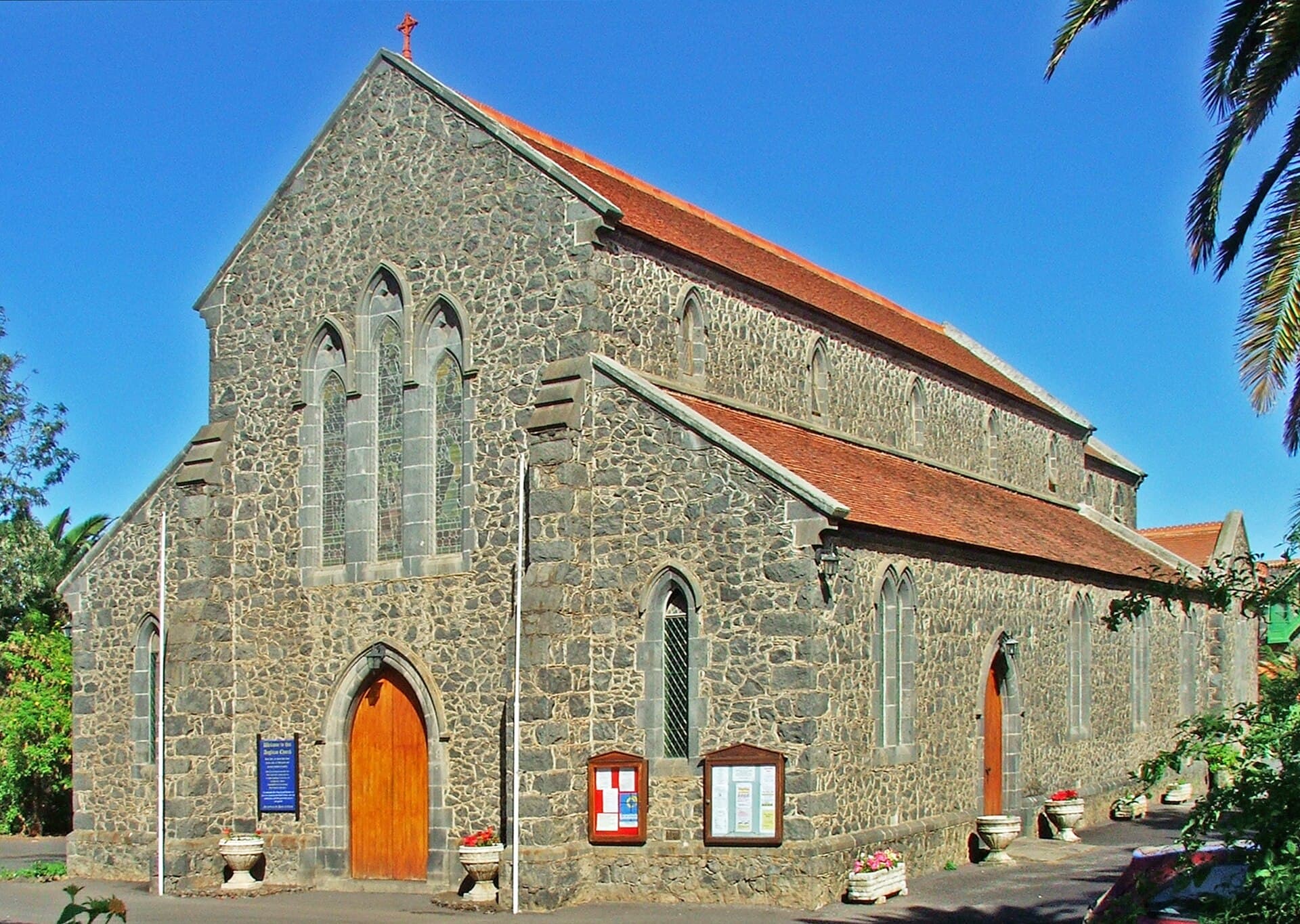
All Saints’ Church, Puerto de la Cruz: Tenerife’s Historic Anglican Landmark
Explore the quiet gardens and Gothic Revival architecture of this 19th-century church built for Tenerife’s British…
12 November 2026
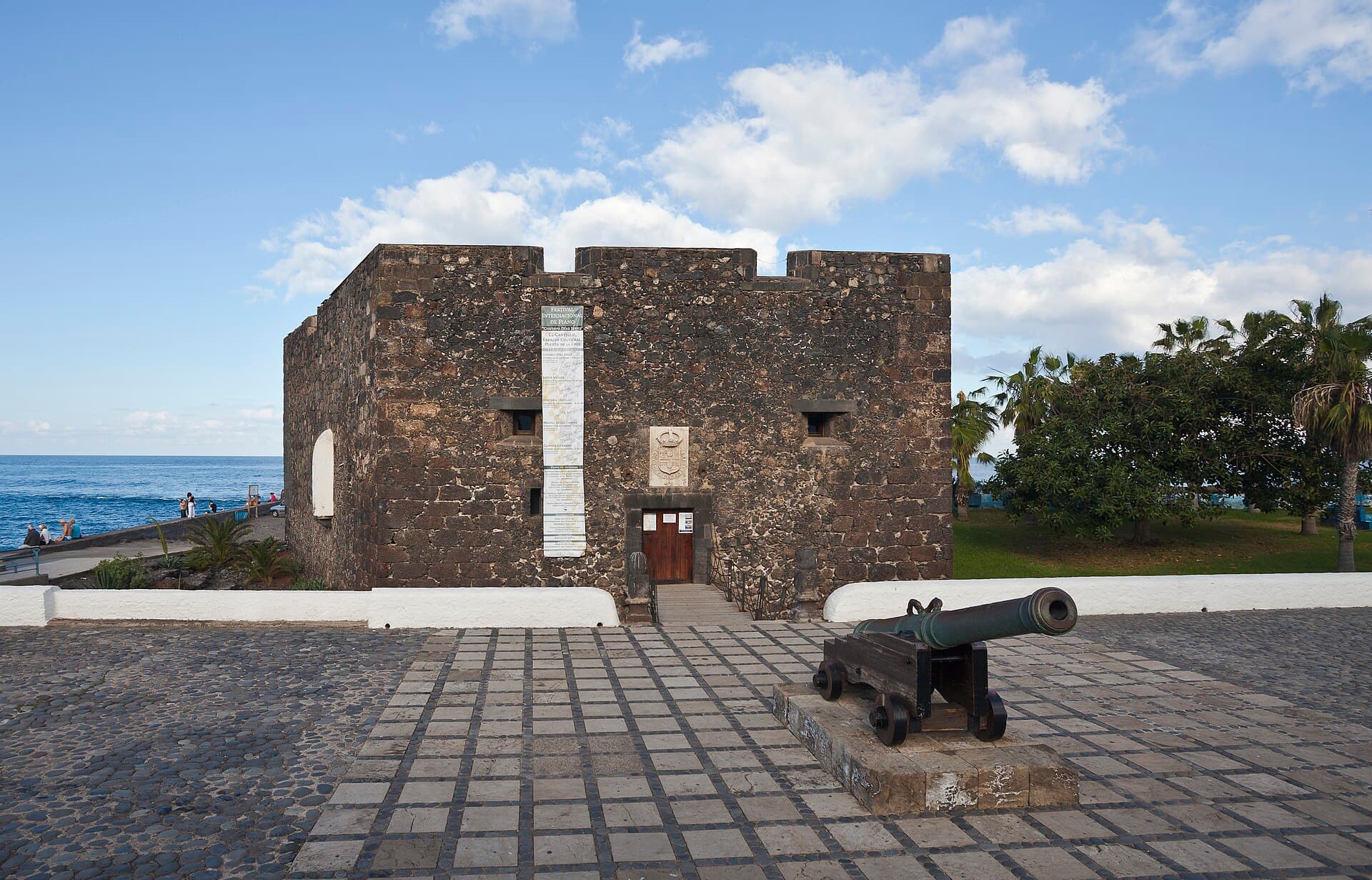
This compact volcanic-stone castle in Puerto de la Cruz offers sweeping Atlantic views and a tangible link to the island’s pirate-defense past.
Perched at the western edge of Puerto de la Cruz harbor, Castillo de San Felipe stands as a low, sturdy sentinel built from dark local basalt. Its thick walls and angular bastions were designed to protect the town’s small anchorage from raids that plagued the Canary Islands in the 1600s. Today the fortress remains one of the most accessible historic sites on Tenerife’s north coast, offering visitors a quiet vantage point over the ocean and an immediate sense of the island’s layered maritime story.
Construction began in the mid-17th century after repeated attacks by English and Dutch privateers. Local masons used volcanic rock quarried nearby, creating a compact star-shaped plan that allowed cannons to cover both the sea approaches and the shoreline. The castle never hosted a major battle yet succeeded in deterring further raids; its presence helped Puerto de la Cruz develop into a modest trading port. Over time the structure passed through military, customs, and finally cultural use, preserving its original ramparts and embrasures while allowing public access.
Walk the narrow parapet walkways for unobstructed views of the Atlantic breakers and the distant outline of La Orotava valley. Inside the courtyard, interpretive panels explain the castle’s construction techniques and daily life of its small garrison. The ground-floor rooms now host rotating exhibitions on Canarian maritime history, while the upper terrace remains the best spot for sunset photography. Because the site is compact, most visitors spend 45 to 90 minutes exploring; the absence of crowds makes it ideal for quiet contemplation or sketching.
The castle sits within easy walking distance of Puerto de la Cruz’s old town and bus station. Travelers arriving by car can use the free parking area along Calle San Juan; from there a short paved path leads to the entrance. The north coast enjoys mild temperatures year-round, yet the clearest skies and calmest seas occur from late autumn through early spring. Summer months bring more local visitors on weekends, while winter offers dramatic wave action against the rocks below the walls. Early morning or late afternoon visits avoid the midday sun and provide softer light for photographs.
After touring the castle, stroll the palm-lined promenade to Lago Martiánez, a seawater lido designed by César Manrique. The black-sand beach of Playa Jardín lies a few minutes farther west, while the lush Jardín de Aclimatación de La Orotava botanical garden sits just inland. These sites together create a balanced half-day itinerary that mixes history, architecture, and natural scenery without requiring a car.
The castle dates from the mid-17th century, with the main construction phase completed around 1660.
The ground floor and courtyard are largely level, but the ramparts involve steps and uneven stone; those with limited mobility may prefer to stay on the lower level.
Yes, the upper terrace and cannon embrasures provide direct views over the Atlantic and the harbor entrance.
Occasional guided walks are offered by the local tourism office; check current schedules on arrival as they vary seasonally.
Comfortable walking shoes, sun protection, and a camera are the essentials; there are no cafu00e9s on site so water is also useful.
Keep reading
Explore the quiet gardens and Gothic Revival architecture of this 19th-century church built for Tenerife’s British…