Why Visit Castillo de San Cristóbal
Perched at the edge of Santa Cruz de Tenerife’s waterfront, Castillo de San Cristóbal stands as the island’s oldest defensive structure. Built to repel pirate raids, the fortress guarded the natural harbor that made the city a vital Atlantic stopover. Today its stone walls frame one of the best vantage points for watching cruise ships and ferries while revealing centuries of Canarian military heritage.
A Brief History
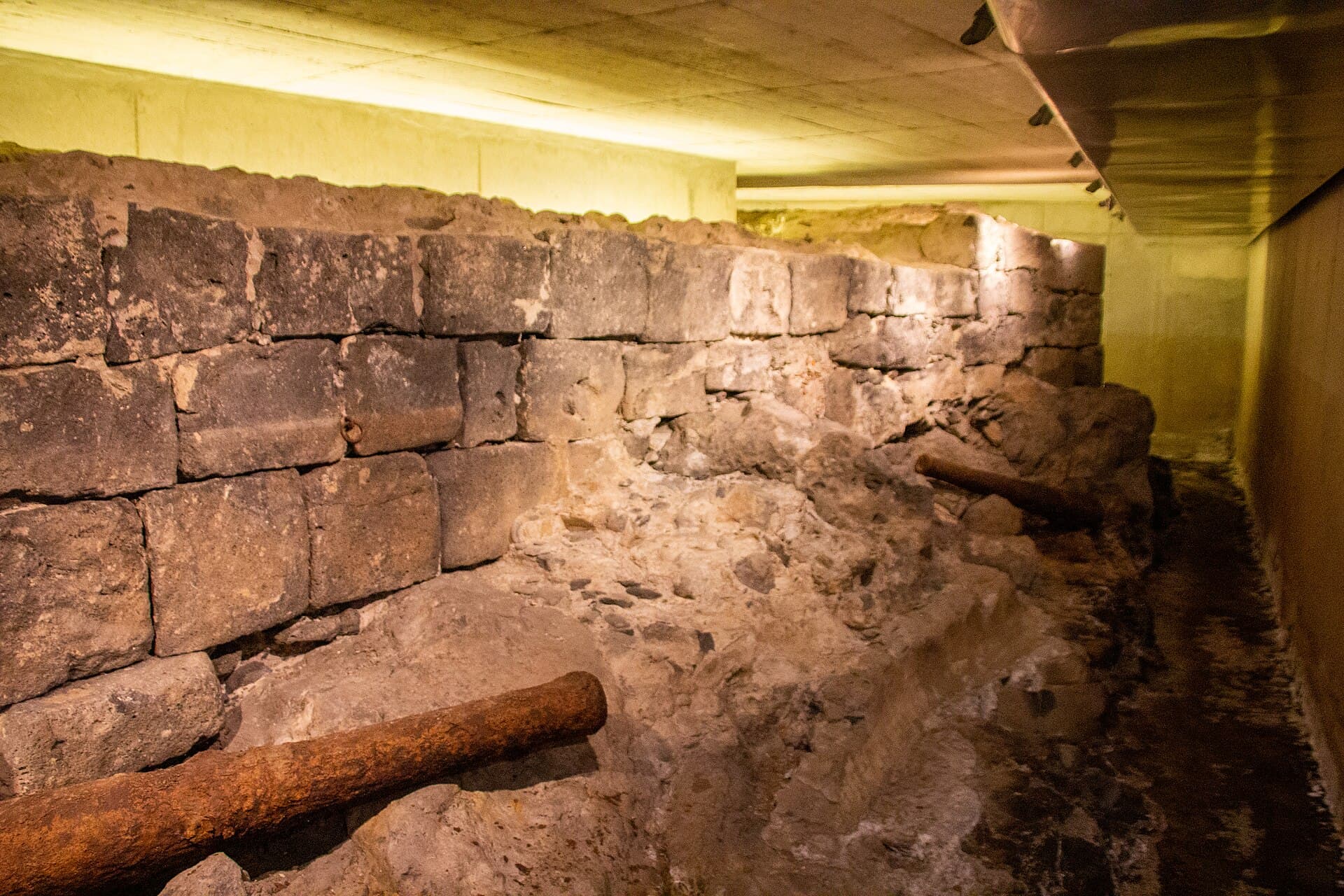
Construction began in the mid-1500s after repeated attacks by European corsairs. The castle formed part of a larger network of coastal fortifications that protected Tenerife’s growing trade routes. Over time it witnessed naval skirmishes, including the 1797 British assault led by Nelson. Although much of the original structure was dismantled in the 19th century to improve port access, surviving bastions and underground passages were later excavated and stabilized for public access.
What to See and Do
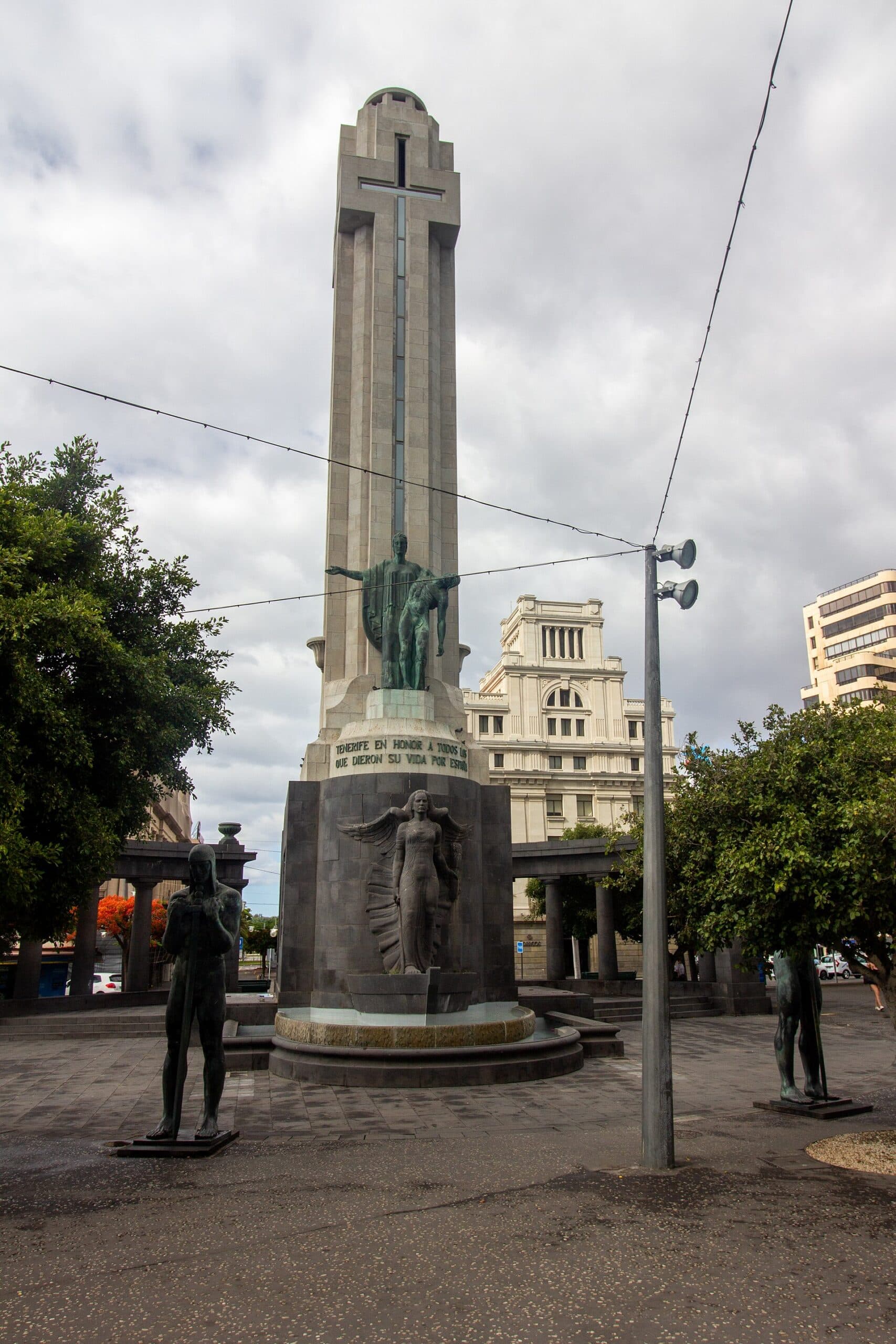
Walk along the restored ramparts for unobstructed views across the bay toward the Anaga mountains. Inside the visitor center, interpretive panels and recovered artifacts trace the castle’s evolution from gun platform to modern heritage site. Look for the original cannon embrasures still oriented toward the sea and the small exhibition on local volcanic stone masonry techniques. The adjacent Plaza de España provides a natural extension to any visit, linking the fortress with contemporary civic space.
How to Get There
The castle sits within easy walking distance of Santa Cruz’s main bus station and cruise terminal. From the city center, follow the pedestrianized waterfront path that runs parallel to Avenida de la Constitución. Drivers can use nearby public parking garages; the site is also served by several urban bus lines that stop directly beside the harbor promenade.
Best Time to Visit
Canary Islands enjoy mild temperatures year-round, yet mornings offer the clearest light for photography and fewer crowds. Spring and autumn bring comfortable conditions for lingering on the ramparts, while winter months remain pleasant though occasionally breezy. Summer afternoons can be warm; early visits avoid both heat and the midday cruise-passenger rush.
Nearby Attractions
- Plaza de España and its iconic fountain
- Auditorio de Tenerife for striking modern architecture
- Museo de la Naturaleza y Arqueología, a short walk inland
- The bustling Mercado de Nuestra Señora de África for local produce and crafts
Combining these sites creates a compact half-day itinerary centered on Santa Cruz’s layered past and vibrant present.