
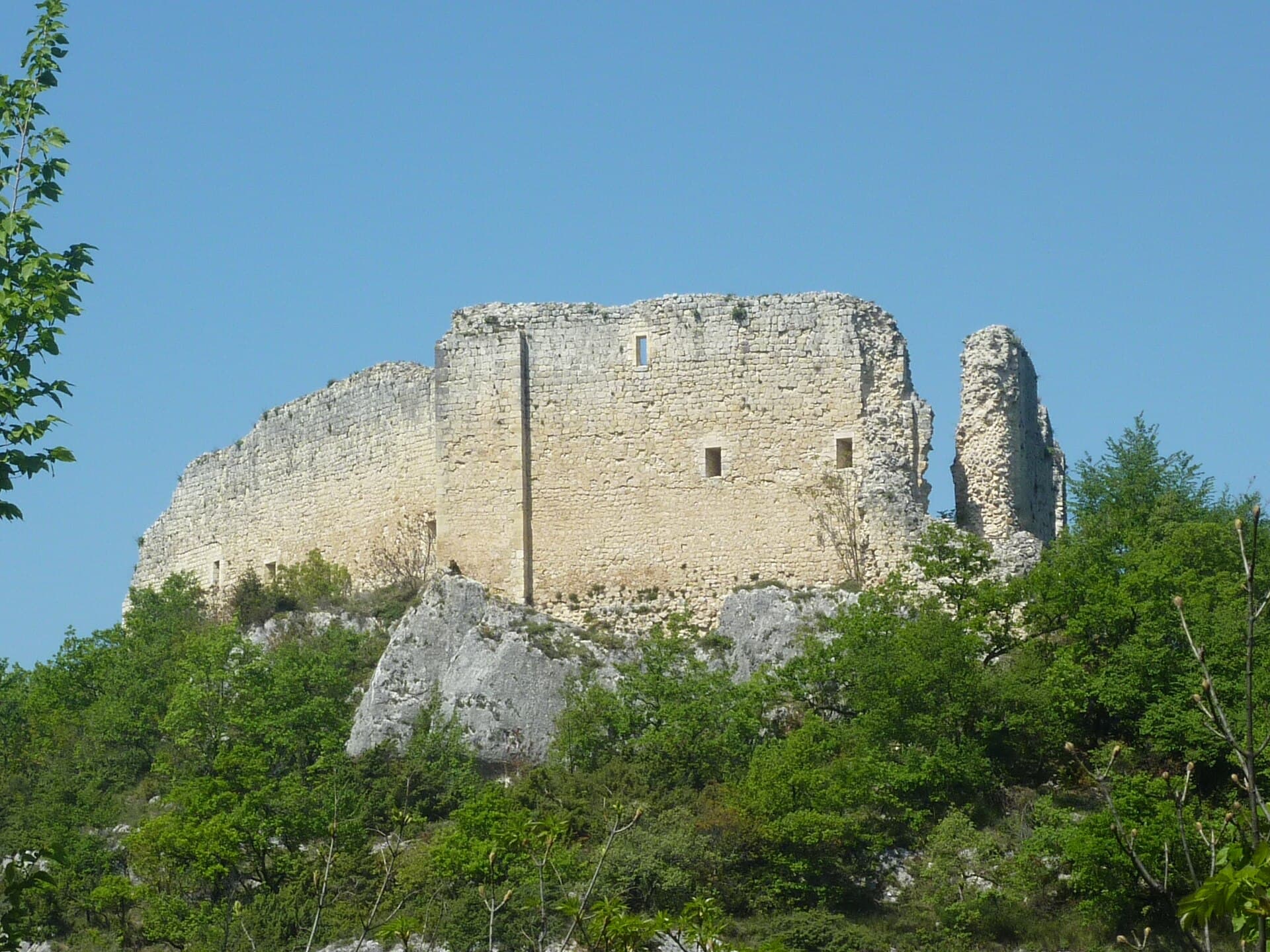
Castel Menardo: Medieval Fortress Ruins Above Serramonacesca
Explore the hilltop ruins of this 12th-century castle for panoramic views and a quiet slice of Abruzzo history.
History and Significance
Castel Menardo stands on a rocky spur overlooking the Alento Valley in Serramonacesca, a strategic site since the early Middle Ages. Built around the 12th century, the fortress controlled local routes and offered protection during feudal conflicts. Its remaining walls, towers, and cisterns reflect typical Abruzzo military architecture adapted to steep terrain.
What to See and Do
Walk the surviving perimeter to appreciate the blend of natural rock and masonry. The highest point delivers sweeping views toward the Maiella massif on clear days. Inside the enclosure, look for carved stone elements and the outline of the original keep. Photographers favor the golden-hour light that highlights the warm limestone against green hills. Combine the visit with a short hike on surrounding paths that descend toward the river.
Practical Visiting Advice
The site is free and open-air with no formal facilities, so arrive prepared. Paths are uneven and rocky; sturdy shoes are essential. Allow 45 to 90 minutes for a thorough exploration plus time for photographs and the viewpoint.
How to Get There
Reach Serramonacesca by car from Pescara in roughly 30 minutes via the SS5 and local roads. Parking is available at the base of the hill; a steep footpath leads to the ruins. Public transport is limited, so a rental car or taxi from nearby towns works best for independent travelers.
Best Time to Visit
Spring and autumn provide mild temperatures ideal for walking the exposed slopes. Summer visits are possible early in the morning before heat builds. Winter offers clear visibility but can bring slippery conditions after rain or snow.
Nearby Attractions
Combine a visit with the Eremo di Sant’Onofrio, a cliffside hermitage a few kilometers away, or explore hiking trails inside the Maiella National Park. The historic center of Serramonacesca itself features small churches and local wine producers worth a stop.
Visitor tips
- Wear sturdy hiking shoes; the final approach involves uneven rock and loose gravel.
- Bring water and sun protection; there are no facilities or shade at the summit.
- Check the weather forecast before heading up, as strong winds and sudden storms are common on the ridge.
Frequently asked questions
Is Castel Menardo suitable for children?
Yes, but supervise closely near drop-offs. The terrain is uneven and there are no railings or safety barriers.
How long does it take to visit Castel Menardo?
Most visitors spend 45 to 90 minutes exploring the ruins and viewpoints.
Are there guided tours available?
Occasional local history walks are organized by the municipality; check at the Serramonacesca town hall for current schedules.
Can I combine Castel Menardo with hiking in Maiella National Park?
Yes. Several marked trails start near the castle and connect directly into the park's lower valleys.
Is the site accessible for visitors with limited mobility?
No. The steep, rocky path and uneven ground make it unsuitable for wheelchairs or those with significant mobility challenges.