
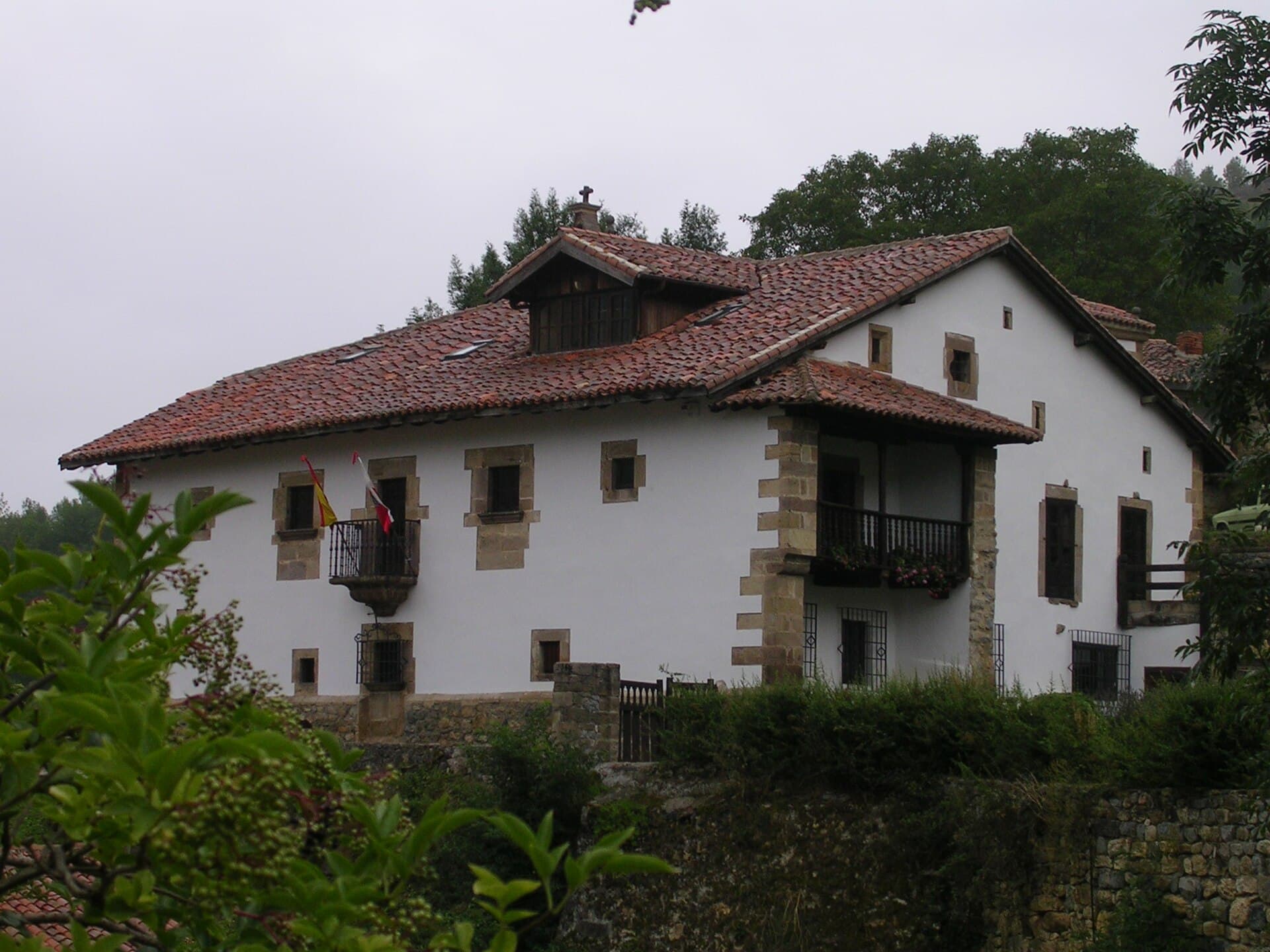
Casa Museo de Tudanca: A Literary Manor Preserved in Cantabria’s Nansa Valley
Step inside the 17th-century home of writer and collector José María de Cossío to experience Cantabria’s rural heritage, vast library, and quiet mountain setting.
Why Visit Casa Museo de Tudanca
The Casa Museo de Tudanca offers an intimate portrait of 20th-century Spanish intellectual life set inside a working manor house that has remained largely unchanged for generations. Located in the remote Nansa Valley, the museum preserves the residence of José María de Cossío, whose extensive library, art collection, and personal papers reveal the cultural connections between Madrid’s literary circles and traditional Cantabrian mountain life.
What to See and Do
Visitors walk through the original rooms where Cossío lived and worked. The highlight is the two-story library holding more than 40,000 volumes, many rare editions on literature, history, and local ethnography. Original paintings by artists such as Pancho Cossío hang alongside family portraits and regional furniture. The kitchen and stables retain their historic character, showing how the house functioned as both residence and farm. Outside, the walled garden and surrounding meadows provide a sense of the isolation that shaped Cossío’s writing.
Guided Insights
Knowledgeable staff share stories of the house’s role as a meeting point for poets and scholars during the mid-20th century. Temporary displays often feature letters, manuscripts, and photographs that illustrate the cultural exchanges between Tudanca and the rest of Spain.
How to Get There
The museum sits in the village of Tudanca, reachable by car via the CA-181 road that follows the Nansa River. From Santander, the drive takes roughly 90 minutes through rolling countryside. Public transport is limited; most visitors combine the trip with a rental car or taxi from nearby towns such as San Vicente de la Barquera or Puentenansa. Parking is available in the village square a short walk from the entrance.
Best Time to Visit
Spring and early autumn deliver the most comfortable conditions for exploring both the house and the surrounding valley trails. Summer brings longer daylight and occasional cultural events, while winter visits can be atmospheric yet require checking for snow on mountain roads. The rural setting rewards unhurried visits that allow time to wander the village streets afterward.
Nearby Attractions
Combine a visit with the dramatic landscapes of the Picos de Europa, only a short drive south. The historic monastery of Santo Toribio de Liébana and the beaches of the western Cantabrian coast lie within easy reach, making Tudanca an excellent base for a full-day exploration of both inland heritage and coastal scenery.
Visitor tips
- Allow at least 90 minutes to explore the library and rooms at a relaxed pace; the collection rewards careful browsing.
- Bring a light jacket even in summeru2014the thick stone walls keep interior rooms cool year-round.
- Pair the visit with a walk along the Nansa River path for photographs of the valley and traditional stone houses.
Frequently asked questions
Who was Josu00e9 Maru00eda de Cossu00edo?
Josu00e9 Maru00eda de Cossu00edo was a prominent Spanish writer, editor, and art collector who transformed his family home in Tudanca into a center for literary gatherings and preserved its contents as a living record of 20th-century Cantabrian culture.
Is the Casa Museo de Tudanca suitable for children?
The museum welcomes families, though younger visitors may need supervision around fragile books and uneven historic floors; the garden and nearby village offer space to stretch legs.
How long should I plan to spend at the museum?
Most visitors spend between one and two hours inside the house, with additional time recommended for the garden and a short walk through Tudanca village.
Can I take photographs inside Casa Museo de Tudanca?
Photography is permitted in most areas without flash; staff will indicate any restricted sections containing delicate manuscripts.
Are there dining options near the museum?
The village has a few small bars serving local cider and simple meals; more substantial restaurants are available in Puentenansa or San Vicente de la Barquera, about 20u201330 minutes away by car.