Why Cahuinarí National Natural Park Stands Out
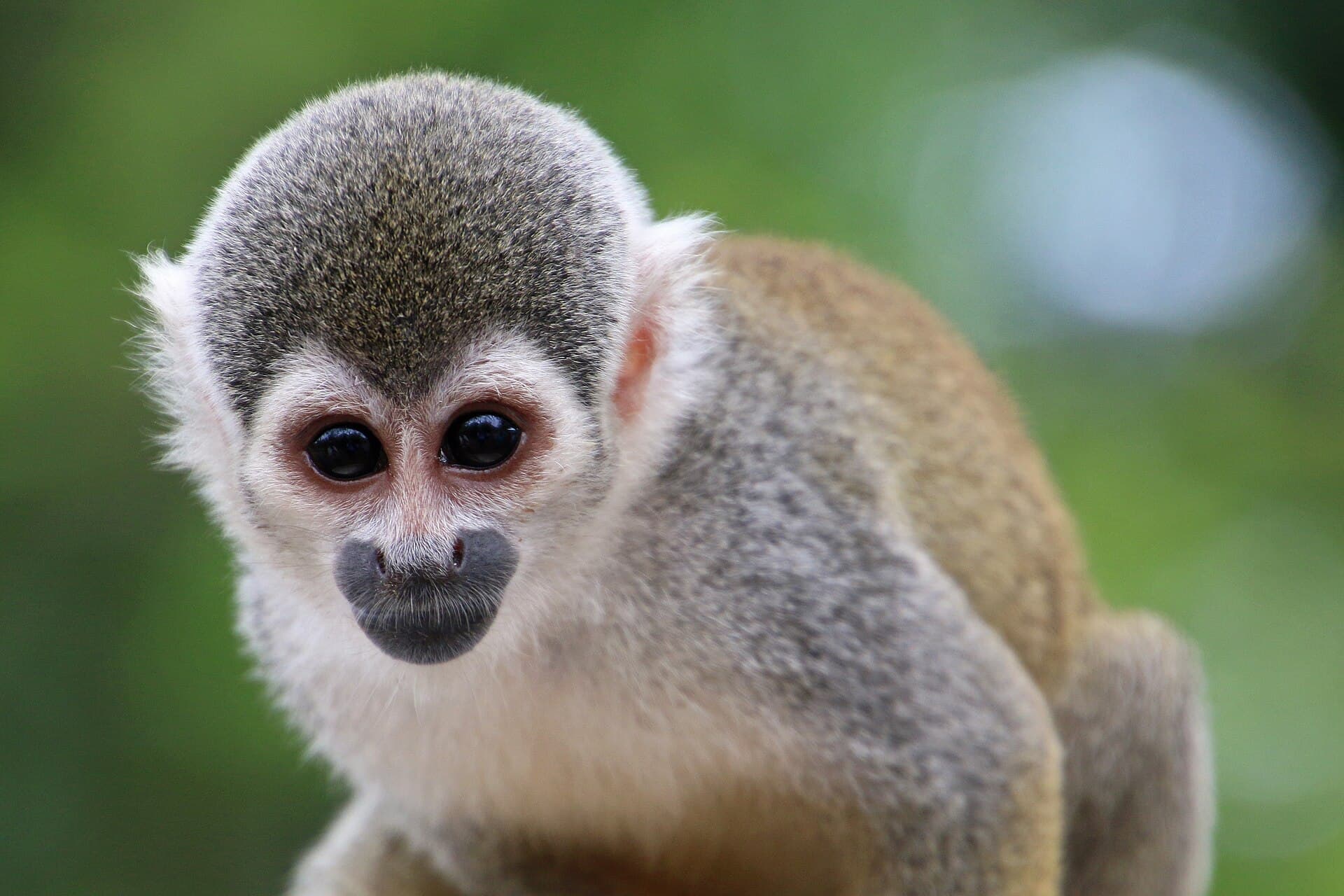
Located deep in Colombia’s Amazon, Cahuinarí National Natural Park protects vast tracts of lowland rainforest along the Cahuinarí River and its tributaries. The park safeguards critical habitat for primates, including woolly and howler monkeys, as well as tapirs, giant river otters, and hundreds of bird species. Its isolation has preserved both ecological integrity and the traditional territories of indigenous communities who continue to steward the land.
What to See and Do
Visitors travel by motorized canoe along the dark, tannin-stained waters of the Cahuinarí River, watching for wildlife along the banks. Multi-day river expeditions allow stops at forest trails where guides point out medicinal plants, fruiting trees, and canopy birds. Night walks reveal nocturnal mammals and amphibians, while visits to community-managed clearings offer insight into sustainable forest use. The park’s core remains closed to tourism, so all activities take place in designated buffer zones that still deliver an authentic wilderness experience.
Getting There
Most travelers fly into Leticia, the departmental capital on the Colombian-Brazilian border. From Leticia, small planes or longboat journeys reach the town of Tarapacá or nearby river settlements that serve as gateways to the park. Access requires advance coordination with local indigenous associations and Colombia’s national parks authority; independent travel is not permitted. The journey itself becomes part of the experience, passing through riverine villages and endless forest corridors.
Best Time to Visit
The drier months from July through October generally offer lower river levels and easier trail access, though rain can occur year-round. Water levels peak from March to May, allowing deeper penetration by boat but limiting walking routes. Wildlife viewing remains good throughout the year; the key is flexibility with weather and river conditions.
Nearby Attractions
After time in Cahuinarí, many travelers continue to Amacayacu National Park or the indigenous communities along the Amazon River near Leticia. Cross-border visits to Tabatinga in Brazil and the triple border with Peru add regional context to the Amazon basin’s interconnected ecosystems and cultures.