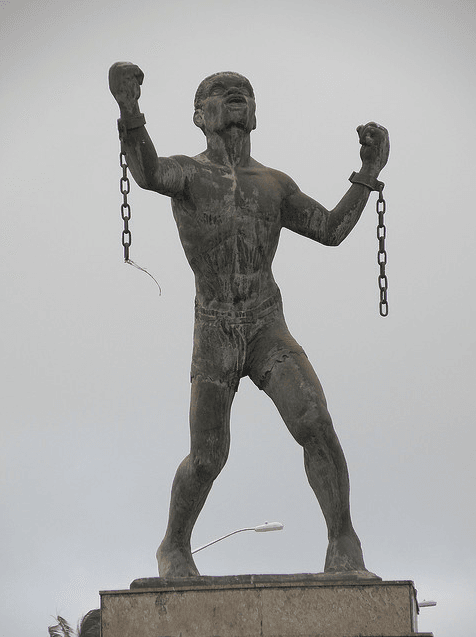
The Symbol of Emancipation
The Bussa Emancipation Statue rises dramatically along the ABC Highway near Bridgetown, capturing the moment of breaking chains in 1834. Sculpted by Karl Broodhagen, the bronze figure of Bussa, an enslaved African who led the 1816 revolt, stands with broken shackles at his feet and arms raised in defiance. This monument serves as a focal point for reflecting on Barbados’ transition from plantation slavery to independence in 1966.
Historical Context and Meaning
Bussa’s rebellion, though suppressed, marked one of the earliest organized challenges to the slave system in the British Caribbean. The statue’s dynamic pose and forward momentum emphasize collective strength rather than individual heroism alone. Visitors often pause here to consider how the event accelerated the push toward full emancipation and shaped modern Barbadian identity. Plaques at the base provide concise details on the revolt without overwhelming the visual impact of the sculpture.
Getting There and Practical Access
The statue sits in a small roadside park accessible by public buses running the ABC Highway route or by short taxi ride from Bridgetown’s harbor or Grantley Adams International Airport. Drivers can pull into the adjacent lay-by for quick stops. The open setting allows viewing from multiple angles, including from the comfort of a vehicle if mobility is limited. Combine the visit with a drive along the south coast for scenic context.
Best Time to Visit
Barbados enjoys consistent warmth year-round, but the drier months from December through April offer the most comfortable conditions for outdoor exploration. Early morning or late afternoon visits reduce sun exposure and align with softer light for photography. National holidays, especially Emancipation Day in August, bring local ceremonies that add living context to the monument.
Nearby Sites Worth Exploring
Just minutes away, the Barbados Museum and Historical Society in St. Michael houses artifacts from the plantation era and emancipation period. The Garrison Historic Area, a UNESCO site, features 18th-century military structures and walking paths. Further along the coast, Oistins Fish Fry provides an authentic evening experience with local cuisine and music, rounding out a day of cultural discovery.
What to Expect on Site
The monument stands in a simple landscaped area with benches for quiet contemplation. No entry fee or formal hours restrict access, allowing flexible visits. Photography is permitted, though visitors are encouraged to maintain respectful silence during any commemorative events. The surrounding greenery offers limited shade, so sun protection is advisable.