
Bova Marina Synagogue: Calabria’s Remarkable 4th-Century Jewish Archaeological Site
Discover one of Italy’s earliest synagogue remains and its mosaic floors in the seaside town of Bova Marina.
Historical Significance
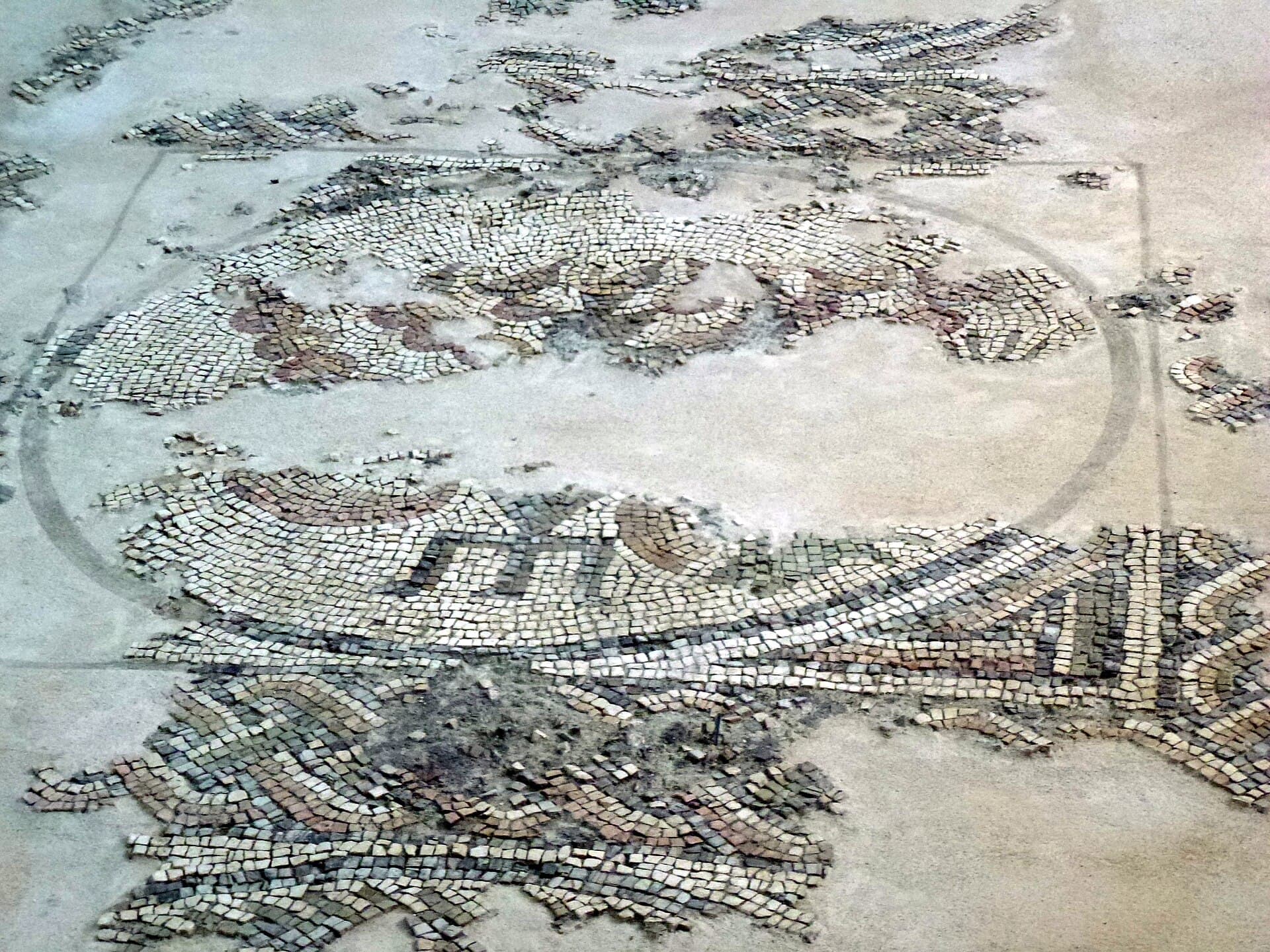
The Bova Marina Synagogue preserves the excavated remains of a fourth-century Jewish place of worship, one of the oldest known synagogues in the western Mediterranean. Located in Calabria’s Aspromonte foothills overlooking the Ionian Sea, the site reveals a prosperous Jewish community that thrived alongside Greek and Roman populations during late antiquity. Mosaics featuring menorahs, lulavs, and ethrogs still mark the floor of the main hall, offering direct evidence of religious practice far from the better-known centers of Jewish life in Rome or Sicily.
What Visitors Can See Today
The protected archaeological area displays the synagogue’s rectangular prayer hall, a smaller side room interpreted as a study or genizah, and sections of the original mosaic pavement. Informative panels explain the iconography and the building’s multiple construction phases. Adjacent to the excavation, a small museum building houses recovered artifacts including oil lamps, coins, and fragments of marble furnishings that help visitors understand daily life in this ancient community.
Layout and Atmosphere
The open-air site sits within a quiet residential neighborhood a short walk from Bova Marina’s beachfront promenade. Low protective shelters and walkways allow close viewing without disturbing the fragile remains. The setting is peaceful, with sea breezes and views toward the Strait of Messina, giving visitors time to reflect on the long Jewish presence in southern Italy before the expulsions of the sixteenth century.
Getting There and Exploring the Area
Bova Marina lies on the Ionian coast roughly 90 minutes’ drive south of Reggio Calabria. Regional trains stop at Bova Marina station, from which the synagogue is reachable by a ten-minute walk or short taxi ride. Those traveling by car can combine the visit with the hill town of Bova, known for its Greek dialect and Norman castle, or continue along the coast to the archaeological park at Locri Epizefiri.
Best Time to Visit
Spring (April–June) and early autumn (September–October) offer mild temperatures ideal for walking the site. Summer brings warm sea swimming nearby but stronger sun on the open excavation; winter visits are possible yet may encounter rain and reduced public transport. The site’s enduring appeal lies in its quiet testimony to a layered Mediterranean past rather than seasonal events.
Visitor tips
- Wear comfortable shoes with good grip; the walkways over the mosaics can be uneven.
- Combine the synagogue visit with a stop in the medieval village of Bova for a full day exploring Greek-Calabrian heritage.
- Bring water and sun protection; the excavation area has limited shade even on cooler days.
Frequently asked questions
How old is the Bova Marina Synagogue?
Archaeologists date the main building phase to the fourth century CE, making it one of the earliest synagogue structures discovered in Italy outside Rome.
Is the site suitable for visitors with mobility limitations?
The main walkways are flat and surfaced, but some areas have slight inclines and the surrounding neighborhood sidewalks are narrow; check current conditions on arrival.
Can I photograph the mosaics?
Photography for personal use is generally permitted, though tripods and flash are usually restricted to protect the fragile surfaces.
Are guided tours available?
Local cultural associations occasionally offer tours in Italian; independent visitors can rely on the on-site explanatory panels in Italian and English.
What else is nearby worth seeing on the same day?
The hill town of Bova, the beaches of Bova Marina, and the Greek ruins at Locri Epizefiri are all within a short drive and pair naturally with a synagogue visit.