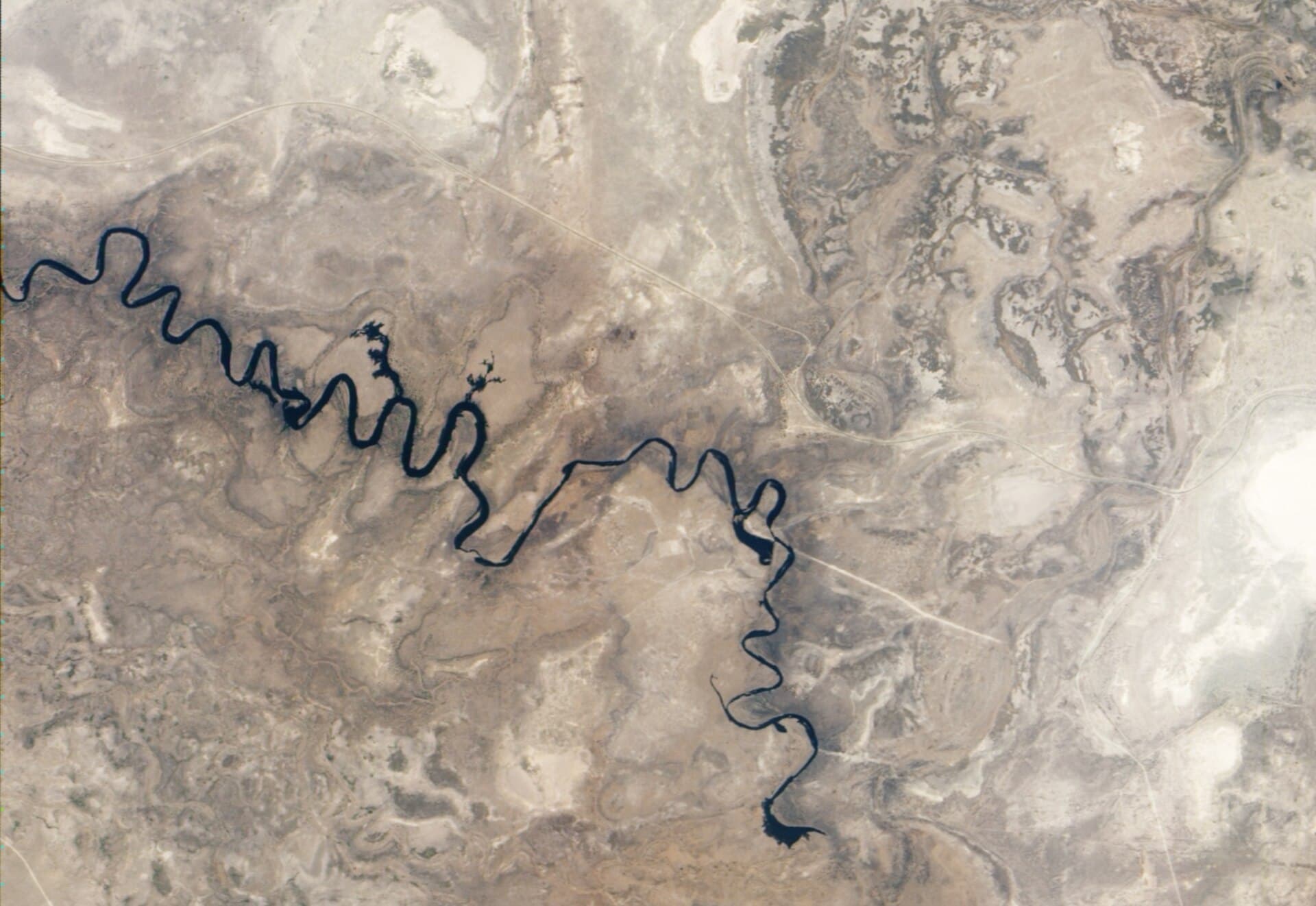
Why the Boteti River Matters
The Boteti River carries overflow from the Okavango Delta southeastward across central Botswana, ending in the Makgadikgadi Pans. In years of good rainfall it becomes a narrow ribbon of water up to 100 kilometres long, supporting riverine forest, reed beds and the last permanent hippo pools in the region. When the river dries, animals concentrate along remaining waterholes, creating reliable game-viewing corridors outside the more crowded northern parks.
Wildlife Viewing Along the Banks
Elephants, buffalo and zebra move down from the Kalahari sandveld to drink. Predators follow, and the river’s reed beds host abundant birdlife including African skimmers, white-backed night herons and occasional Pel’s fishing owls. The contrast between lush green corridor and surrounding dry savanna is dramatic and photogenic, especially at sunset.
Getting There and Getting Around
Most visitors approach from Maun via the A3 tar road to the Khumaga turn-off, then 20 kilometres of graded gravel to the river. From the east, Francistown to Nata and then south on the A3 reaches the same area. A high-clearance 4×4 is essential once you leave the main road; river crossings can become impassable after heavy rain. Fuel is available at Nata and Maun only, so plan accordingly.
Best Time to Visit
Peak flow usually arrives between July and September, when the Okavango flood pulse reaches the Boteti. This is also the dry season elsewhere, so wildlife densities are highest. The river can remain dry for several years during droughts, so check recent rainfall reports before travel. November to March brings thunderstorms and possible road flooding but fewer visitors.
Nearby Attractions
The western edge of Makgadikgadi Pans National Park lies within an hour’s drive, offering vast salt flats and ancient baobab trees. Nxai Pan National Park to the north adds springbok herds and the Baines Baobabs. Many travellers combine the Boteti with a circuit through these parks before returning to Maun or continuing east to Francistown.
Practical Activities
- Guided game drives along the riverine strip at dawn and dusk.
- Short mokoro or boat excursions when water levels permit.
- Stargazing from campsites on the western bank, far from light pollution.
- Visits to nearby San communities for cultural walks.