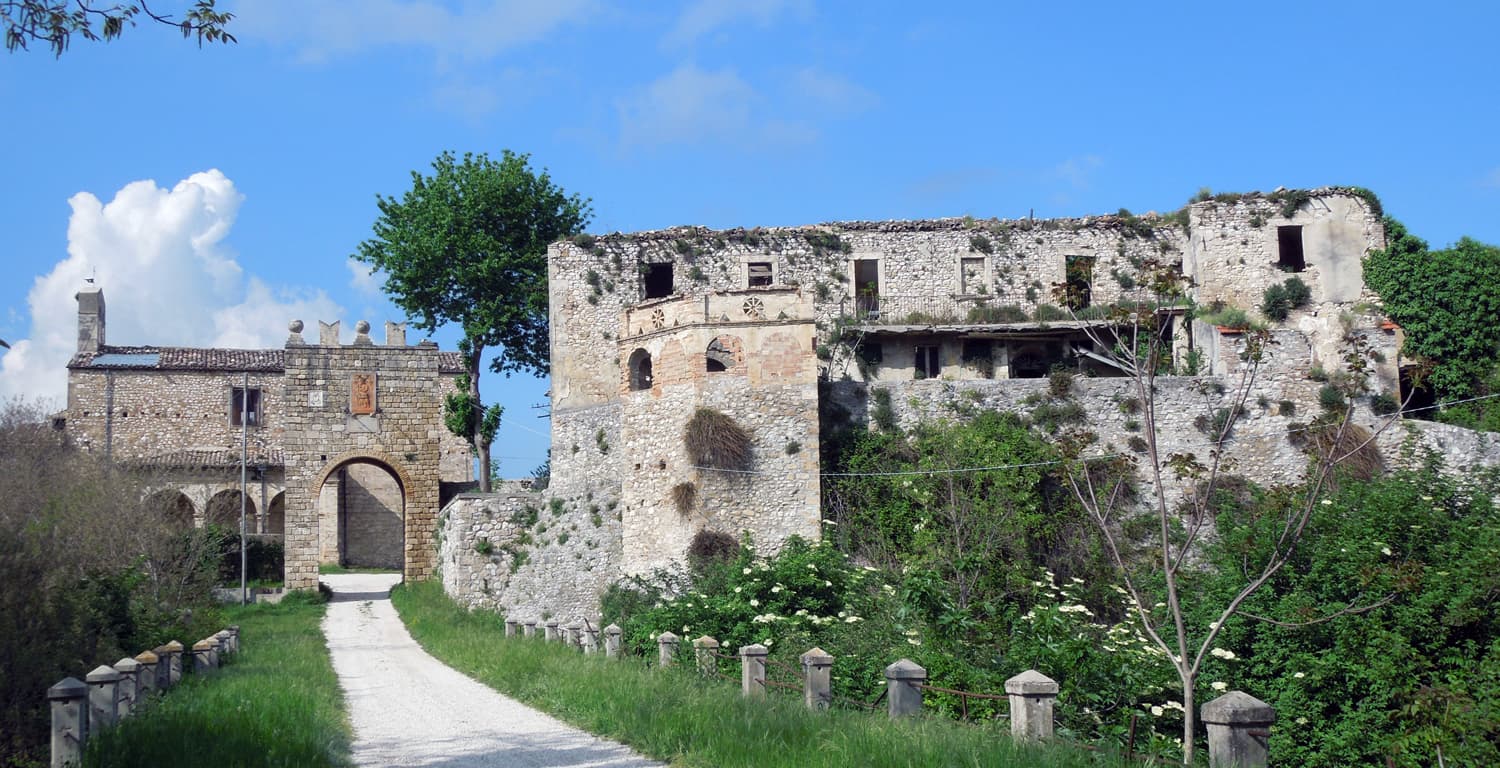
Discovering Borgo Faraone
Perched on a gentle slope in Abruzzo’s Teramo province, Borgo Faraone preserves the scattered foundations of an ancient settlement that once overlooked the valley toward the Adriatic. The site’s stone walls, terracing, and scattered artifacts illustrate continuous human presence from the Roman period onward, offering visitors a quiet, uncrowded window into rural life in central Italy.
History Etched in Stone
Archaeological evidence points to a Roman-era outpost that later evolved into a small medieval borgo. Traces of opus reticulatum masonry and later dry-stone constructions mark the transition from imperial infrastructure to local defensive hamlets. The location’s strategic vantage made it valuable for controlling nearby routes, yet its remote setting spared it from major modern development.
What to See and Do
Start at the lower terraces where rectangular foundations outline former dwellings and storage areas. Walk the short path uphill to examine the more substantial wall segments that once formed part of a larger structure. Informative panels explain the building techniques without overwhelming the landscape. Photographers appreciate the contrast between weathered stone and the surrounding olive groves and rolling hills. Allow two to three hours for a thorough visit, including time to sit and absorb the quiet setting.
Getting There
Reach Borgo Faraone by car from Teramo via the SS80, turning onto local roads that wind through farmland. The final approach is a short unpaved track suitable for standard vehicles. Public transport is limited; visitors typically combine the site with a day trip from Ascoli Piceno or the hill towns of the Monti Gemelli area.
Best Time to Visit and Nearby Attractions
Spring and autumn provide the most comfortable temperatures for walking the uneven ground. Summer visits are possible but require early morning starts to avoid heat. Winter can bring muddy conditions after rain. Combine the site with the nearby Roman theater at Montepagano or the medieval center of Civitella del Tronto, both within a short drive and offering complementary historical context.