
Blanda Archaeological Site: Ancient Ruins Along Calabria’s Coast
Explore the layered history of Blanda near Tortora, where Lucanian, Greek, and Roman remains overlook the Tyrrhenian Sea.
Introduction to Blanda
Perched on a low hill above the Gulf of Policastro, the archaeological site of Blanda preserves traces of successive cultures that once controlled this strategic stretch of the Calabrian coast. The settlement began as a Lucanian center before Greek colonists and later Romans left their mark, creating a compact but revealing window into pre-Roman southern Italy.
Historical Layers
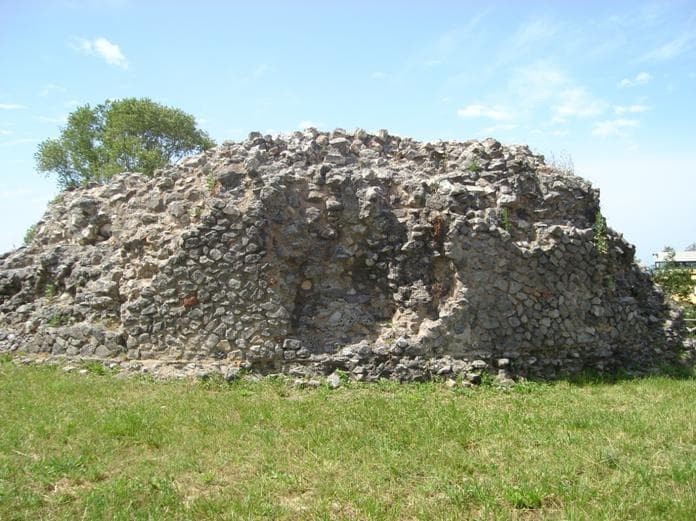
Excavations have uncovered sections of fortification walls, house foundations, and a small sanctuary area. The site’s location on a natural terrace provided both defensive advantages and easy access to the sea, explaining its long occupation from the sixth century BCE onward. Artifacts recovered here, now displayed in regional museums, include pottery, coins, and votive offerings that illustrate trade networks linking the Ionian and Tyrrhenian coasts.
What Visitors Can See Today
Marked paths lead across the gentle slope past visible stretches of polygonal masonry walls and the outlines of several buildings. A short climb rewards visitors with panoramic views over the sea and the modern village of Tortora below. Informative panels in Italian and English explain the function of each area without overwhelming the quiet landscape. Because the site remains only partially excavated, the experience feels intimate rather than crowded.
Getting There and Practical Access
Blanda lies a few kilometers inland from Tortora Marina. Most visitors arrive by car along the SS18 coastal road, then follow local signs uphill. The final approach is on a narrow paved lane with limited parking at the entrance. Public buses from Tortora or Praia a Mare stop in the lower village; from there a moderate uphill walk or short taxi ride reaches the site. The terrain is uneven and partly grass-covered, so sturdy footwear is essential.
Best Time to Visit
Spring and early autumn offer the most comfortable temperatures for walking among the ruins. Summer heat can be intense, while winter rains may make paths slippery. Early morning visits also avoid midday sun and provide the best light for photography.
Nearby Attractions
After exploring Blanda, many travelers continue to the pebble beaches at Tortora Marina or the dramatic cliffs of Praia a Mare. The medieval hill town of Aieta, with its preserved stone lanes and castle ruins, lies a short drive inland. Further south, the ancient Greek temples at Sybaris and the Norman cathedral in Scalea provide additional context for the region’s long history.
Visitor tips
- Wear sturdy shoes; paths cross uneven grass and low stone remains.
- Bring water and sun protection, as shade is limited on the exposed hillside.
- Combine the visit with a stop at Tortora Marina for lunch and a swim to make a full day.
Frequently asked questions
How long does a visit to Blanda typically take?
Most visitors spend 45 to 90 minutes walking the marked paths and reading the interpretive panels.
Is the site suitable for children?
Yes, the gentle slopes and open spaces are manageable for families, though younger children should be supervised near the low wall remains.
Are there restrooms or facilities on site?
No facilities exist at the archaeological area itself; plan to use services in Tortora or at the beach below.
Can I visit Blanda without a guide?
The site is open for self-guided exploration with clear on-site panels; guided tours are occasionally offered through the local archaeological association.
Is photography allowed at Blanda?
Personal photography is permitted and encouraged, especially for the panoramic coastal views.