
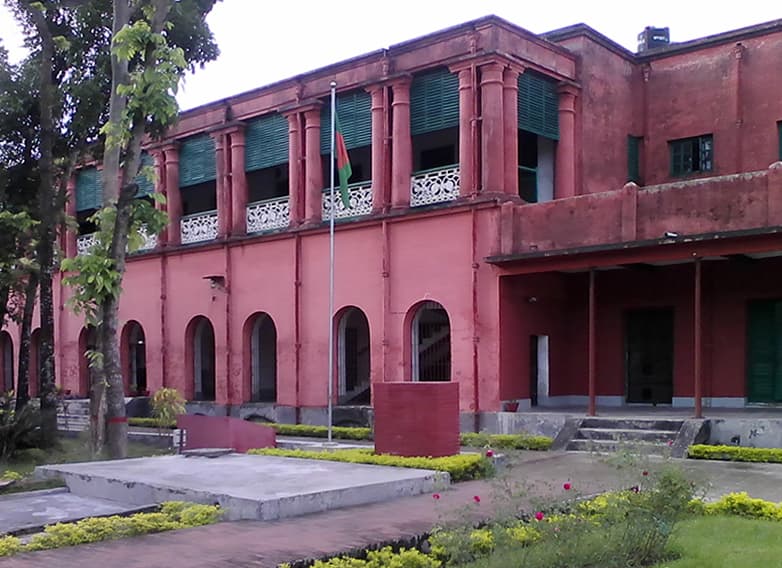
Barisal Divisional Museum: Exploring Southern Bangladesh’s Regional Heritage
Discover the archaeological finds, folk traditions, and riverine history preserved in Barishal’s key cultural institution.
Why Visit the Barisal Divisional Museum
Barisal Divisional Museum serves as the primary repository for the cultural and historical record of Bangladesh’s southern division, highlighting artifacts tied to its distinctive river landscape and agricultural past. The collection emphasizes objects that reflect daily life along the Kirtankhola and other waterways rather than national narratives alone.
Exhibits and Collections
Archaeological and Historical Displays
Visitors encounter stone sculptures, terracotta plaques, and metalwork recovered from sites across Barishal, Patuakhali, and Bhola districts. These items illustrate pre-colonial trade routes and local craftsmanship influenced by both Hindu and Buddhist traditions.
Folk Art and Ethnography
- Traditional nakshi kantha quilts and pottery that document domestic skills passed through generations of riverine families.
- Wooden boat models and fishing implements that explain the region’s reliance on inland waterways for transport and livelihood.
- Photographs and documents relating to the 1971 Liberation War activities specific to southern districts.
Practical Access and Surroundings
The museum stands near central Barishal, easily reached by rickshaw or local bus from the main launch ghat where passenger boats arrive from Dhaka. Most travelers combine the visit with time spent along the riverfront, where seasonal markets and boat-building yards remain active.
Best Time to Visit
November through February offers the most comfortable temperatures and lower rainfall, allowing unhurried exploration of both indoor galleries and nearby outdoor sites. Monsoon months bring higher humidity and occasional flooding that can affect travel along rural roads leading to the city.
Nearby Places Worth Combining
After the museum, visitors often continue to Durga Sagar pond and its surrounding temples, or take a short launch ride to observe traditional boat traffic. The circuit house grounds provide a quiet contrast with mature trees and colonial-era architecture.
Visitor tips
- Allow at least ninety minutes to read labels and view the full collection without rushing.
- Carry a reusable water bottle; the surrounding area has limited shops once you enter the museum compound.
- Pair the visit with an early-morning river launch arrival for the most atmospheric approach to Barishal.
Frequently asked questions
How long does a typical visit to the Barisal Divisional Museum take?
Most visitors spend between one and two hours viewing the permanent galleries, though those interested in folk textiles or archaeology may stay longer.
Is the museum accessible for visitors with mobility needs?
The main floor is level, but some display cases sit on slightly raised platforms; ask staff for assistance if steps present difficulty.
Can I take photographs inside the galleries?
Photography is generally permitted for personal use, though flash is discouraged near delicate textiles and metal objects.
Are guided tours available?
Occasional volunteer-led introductions occur on weekends; independent exploration with the provided labels remains the standard experience.
What should I wear when visiting?
Light, modest clothing suitable for a cultural institution in a warm climate; comfortable footwear helps when moving between galleries.