Why the Barbados Wildlife Reserve Stands Out
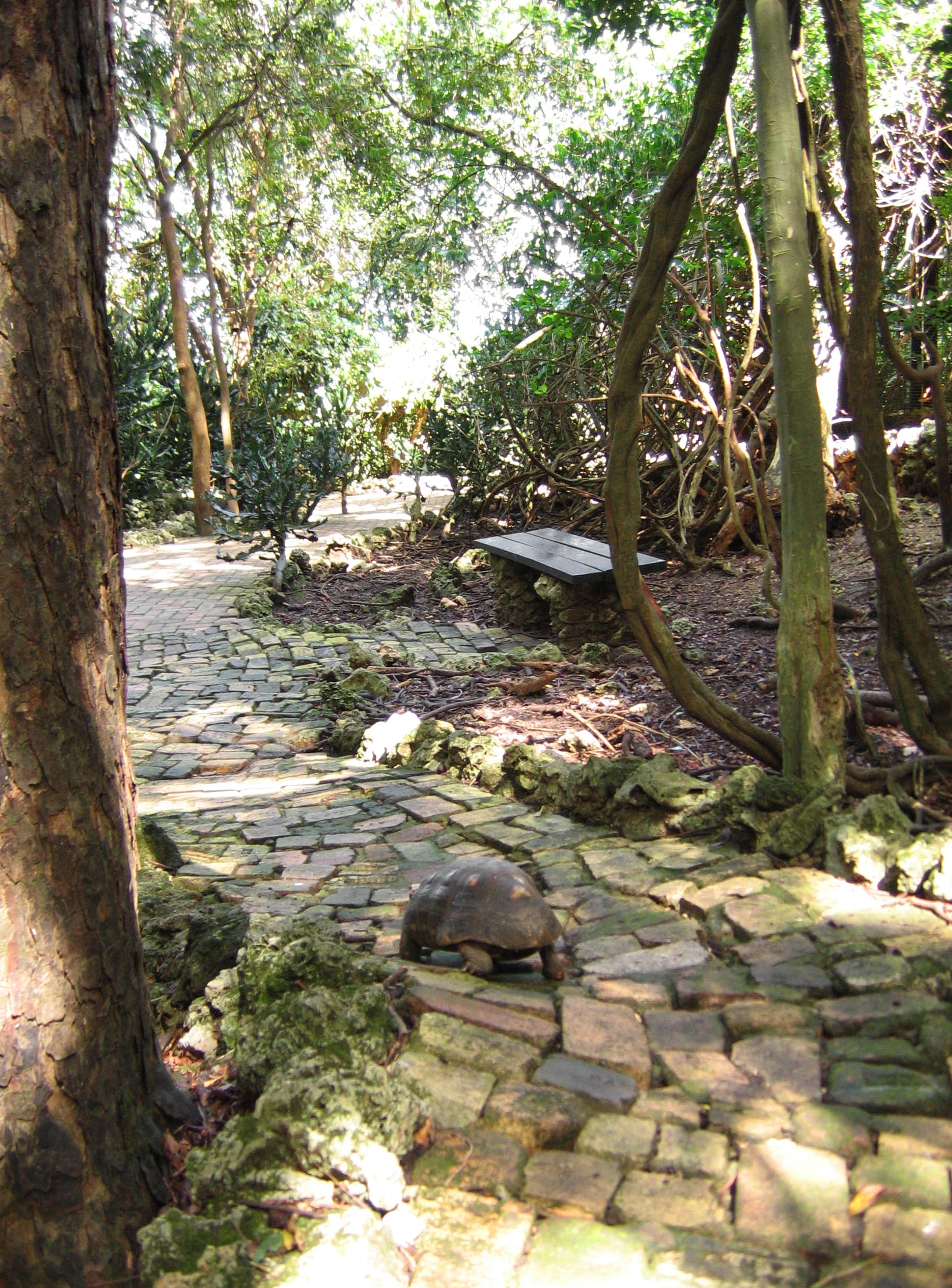
Unlike traditional zoos, the Barbados Wildlife Reserve occupies a former sugar plantation now reclaimed by mahogany trees and natural undergrowth. Free-roaming animals live in conditions that mimic their wild habitats, allowing visitors to observe authentic behaviors rather than staged displays. The reserve protects species native to the Caribbean and South America, with a focus on conservation breeding programs for endangered parrots and tortoises.
What to See and Do
Follow the main loop trail past enclosures and open areas. Look for the troop of green monkeys that often forage near the paths; they were introduced centuries ago and now thrive here. In the walk-through aviary, colorful macaws and parrots perch overhead, while the tortoise paddock offers close views of giant Aldabra tortoises. Keep an eye out for agoutis, iguanas, and the occasional brocket deer in the underbrush. Educational signs along the route explain each species’ role in the island’s ecosystem.
Practical Activities
- Photograph birds from the covered observation deck without disturbing them.
- Stroll the winding paths at a slow pace to avoid startling shy residents.
- Listen for the distinctive calls of the St. Vincent parrot, one of the reserve’s rarest residents.
Getting There
The reserve lies in St. Peter parish on the northwest coast, roughly 30 minutes by car from Bridgetown. Public buses run along the coastal road; disembark at the nearest stop and walk the short remaining distance. Taxis and private transfers are readily available from popular west-coast resorts. On-site parking accommodates rental vehicles.
Best Time to Visit
December through April offers the driest weather and clearest trails. Early morning visits, shortly after opening, provide cooler temperatures and higher animal activity before midday heat sets in. Rainy-season months bring lush vegetation but occasional muddy paths; bring a light rain jacket if traveling between June and November.
Nearby Attractions
Combine a visit with the dramatic limestone formations at Harrison’s Cave or the calm waters of Mullins Bay for swimming and snorkeling. The historic town of Speightstown, just minutes away, offers waterfront dining and colonial architecture worth exploring on the same day.