
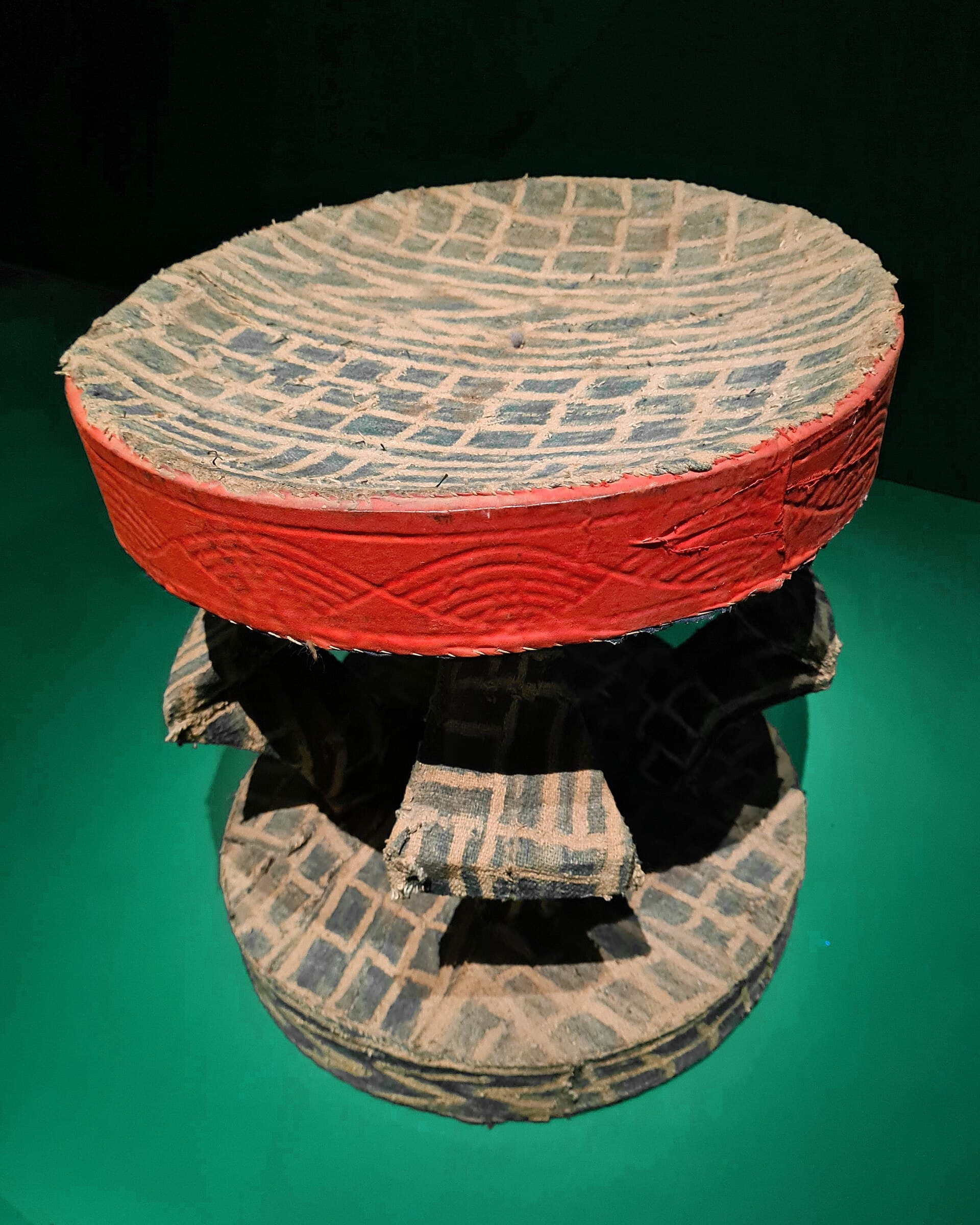
Bapa Museum: Exploring Bamileke Heritage in Cameroon’s Highlands
Step into the Bapa Museum to discover the living traditions, artistry, and history of the Bapa people in the cool Hauts-Plateaux region.
Introduction to the Bapa Museum
Perched in the rolling highlands of Cameroon’s West Region, the Bapa Museum preserves the material culture and oral traditions of the Bapa, a Bamileke community known for intricate wood carving, beadwork, and royal regalia. Housed in a modest building surrounded by eucalyptus and banana groves, the museum offers visitors an intimate encounter with artifacts that reflect centuries of social hierarchy, spiritual practice, and craftsmanship.
What to See and Do
Permanent Exhibits
Displays include carved chief’s stools, elephant-tusk trumpets, and elaborately beaded ndop cloths that once signified rank within Bapa society. Panels explain the symbolic motifs—leopards for power, spiders for wisdom—that appear across objects. A small courtyard garden features medicinal plants traditionally used in Bapa healing rites.
Guided Cultural Sessions
Local docents often demonstrate the pouring of raffia wine and the rhythmic patterns of the talking drum. These live presentations connect visitors directly to contemporary Bapa life rather than treating objects as relics.
Getting There
The museum sits along the main road linking Bafoussam to Bandjoun. Shared taxis and motorbike taxis run regularly from Bafoussam’s central station; the journey takes roughly forty minutes through terraced hills planted with coffee and maize. Travelers arriving by private vehicle will find informal parking beside the entrance.
Best Time to Visit
The highlands enjoy a temperate climate year-round, but the dry season from November to March offers the clearest roads and the most comfortable walking weather. Cultural events such as annual fondom festivals, usually held in December or January, provide extra context for museum objects when chiefs and notables gather nearby.
Nearby Attractions
Combine a visit with the royal palace at Bandjoun, the bustling Bafoussam central market for modern Bamileke crafts, or a short hike to the scenic cliffs overlooking the Mifi River valley. These sites together illustrate how Bapa traditions continue to shape daily life across the plateau.
Visitor tips
- Wear sturdy shoes; paths around the museum and nearby hills can be muddy after rain.
- Ask permission before photographing people or certain sacred objects inside the galleries.
- Carry small bills for motorbike taxis and any modest entrance donation; ATMs are scarce in the immediate area.
Frequently asked questions
What language do guides speak at the Bapa Museum?
Most docents speak French and the local Bapa dialect; a few also speak basic English. Written labels appear in French with occasional English summaries.
Is the museum suitable for children?
Yes, the compact size and hands-on demonstrations of drums and weaving appeal to younger visitors, though some exhibits contain ritual objects that may require parental explanation.
Can I buy authentic Bapa crafts at the museum?
A small shop near the exit sells locally made stools, beads, and textiles; prices are fair and directly support artisans from surrounding villages.
Are there restrooms and refreshments on site?
Basic toilets are available. A nearby roadside stand sells fresh fruit, grilled corn, and bottled water; no full restaurant operates inside the museum grounds.
How long should I plan to spend at the Bapa Museum?
Most visitors find two hours sufficient to view the galleries and attend a short cultural demonstration, leaving time for nearby palace visits the same day.