
Babungo Museum: Cameroon’s Grassfields Cultural Treasure
Discover the royal regalia, traditional crafts, and living heritage of the Babungo kingdom in rural northwest Cameroon.
Why Visit Babungo Museum
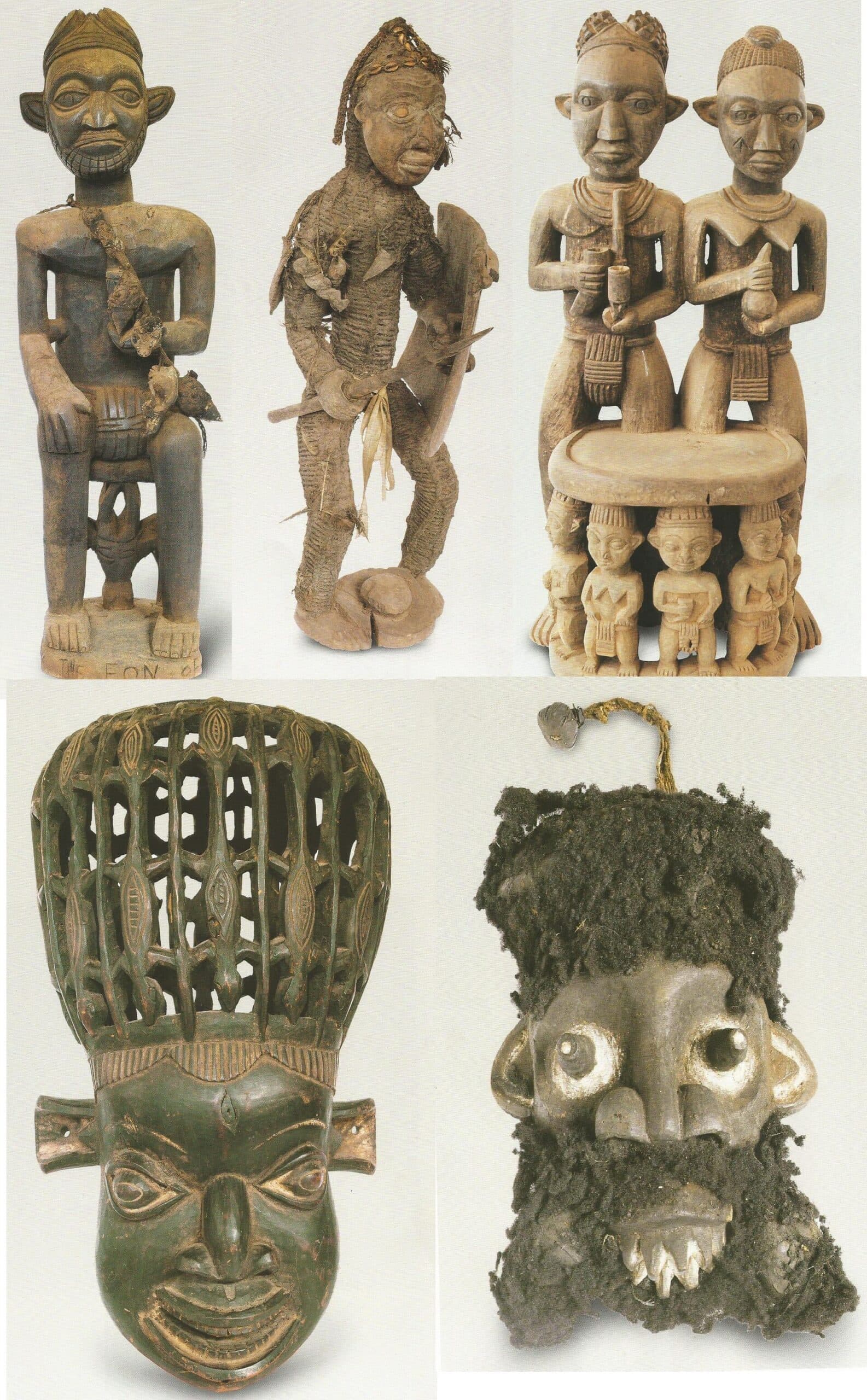
Situated in the fertile highlands of Ngo-Ketunjia Division, Babungo Museum safeguards the material culture of one of Cameroon’s historic Grassfields kingdoms. The collection focuses on objects once reserved for the Fon and his court, giving visitors direct insight into pre-colonial governance, artistry, and spiritual life that still shape local identity today.
What to See
The museum displays carved wooden thrones, beaded royal staffs, elephant-tusk horns, and an array of masks used in secret-society ceremonies. Pottery from local clay pits, iron tools forged in traditional furnaces, and woven raffia textiles illustrate daily life alongside court ritual. Many pieces remain in active use during annual festivals, so the exhibits feel connected to contemporary practice rather than static history.
Guided Interpretation
Knowledgeable attendants, often members of the royal family, explain the symbolism of each item and the protocols surrounding them. Visitors learn why certain stools may only be sat upon by titled men and how cowrie-shell patterns encode lineage histories.
Getting There
The museum lies roughly 35 km north of Bamenda along the Ring Road. Shared taxis and minibuses run from Bamenda’s Nkwen motor park to Ndop, from where motorcycle taxis complete the final stretch to the palace grounds. Private drivers or arranged tours from Bamenda provide the most reliable option for those carrying luggage or traveling with children. The route passes through terraced rice fields and eucalyptus groves typical of the highland plateau.
Best Time to Visit
The dry season from November through February offers the clearest roads and the greatest chance of coinciding with palace festivals. March to May brings the first rains, which can turn laterite tracks slippery; however, visitor numbers drop and the landscape turns lush. Avoid major Christian and Muslim holidays when the Fon may be occupied with ceremonies and access to certain rooms is restricted.
Nearby Places Worth Exploring
- The Bafut Palace Museum, 40 km west, features a contrasting architectural style and royal cemetery.
- Lake Oku and the surrounding montane forest provide hiking and birdwatching opportunities a short drive north.
- Traditional markets in Ndop and Bamessing sell locally woven baskets and pottery that echo museum pieces.
Visitor tips
- Hire a motorcycle taxi from Ndop only with a helmet and agree on the fare before departure; many riders also serve as informal guides.
- Carry small notes for any personal donations to palace attendants; credit-card facilities are nonexistent.
- Dress modestly with shoulders and knees covered, and ask permission before photographing royal objects or people in traditional attire.
Frequently asked questions
How long should I plan to spend at Babungo Museum?
Most visitors spend 60 to 90 minutes inside the galleries, plus additional time for photographs and conversation with guides.
Is the museum accessible for visitors with mobility limitations?
The main exhibition rooms are on a single level, but the approach path includes uneven gravel and a few low steps; assistance is usually available.
Do I need to speak French or a local language?
English is widely understood by staff, though a few older attendants speak primarily Lamnso; basic greetings in the local language are appreciated.
Can I combine a visit with attendance at a palace festival?
Major festivals occur on fixed traditional dates; check with the palace well in advance, as some events restrict photography or require advance approval from the Fon.
Are there places to eat near the museum?
Small roadside stalls in Ndop serve grilled plantains, roasted maize, and local beer; no formal restaurants operate inside the palace compound.