Skip to content
Plan & Tour
DestinationsItinerariesTravel BlogAboutContact
0Sign inPlan a trip
Plan & TourPlan & Tour

Travel guides, destination inspiration and curated itineraries for Canada, the USA and beyond, plus a free tool to plan your own day-by-day trip.

Get travel inspiration

Explore

  • All Destinations
  • Curated Itineraries
  • Travel Blog
  • Plan a Trip

Topics

  • Hiking & Nature
  • Food & Drink
  • City Breaks
  • Budget Travel

Company

  • About Us
  • Contact
  • Privacy Policy
  • Terms of Service

© 2026 Plan & Tour. Built for travellers.

Discover the world, one trip at a time.

Avenc de Son Pou: Mallorca’s Dramatic Limestone Sinkhole
  1. Home
  2. Destinations
  3. Balearic Islands
  4. Avenc de Son Pou: Mallorca’s Dramatic Limestone Sinkhole
Cave

Avenc de Son Pou: Mallorca’s Dramatic Limestone Sinkhole

Descend into one of Mallorca’s most striking vertical caves, where dramatic shafts and ancient formations reward prepared explorers.

Balearic IslandsUpdated 21 September 2026

Why Avenc de Son Pou Stands Out

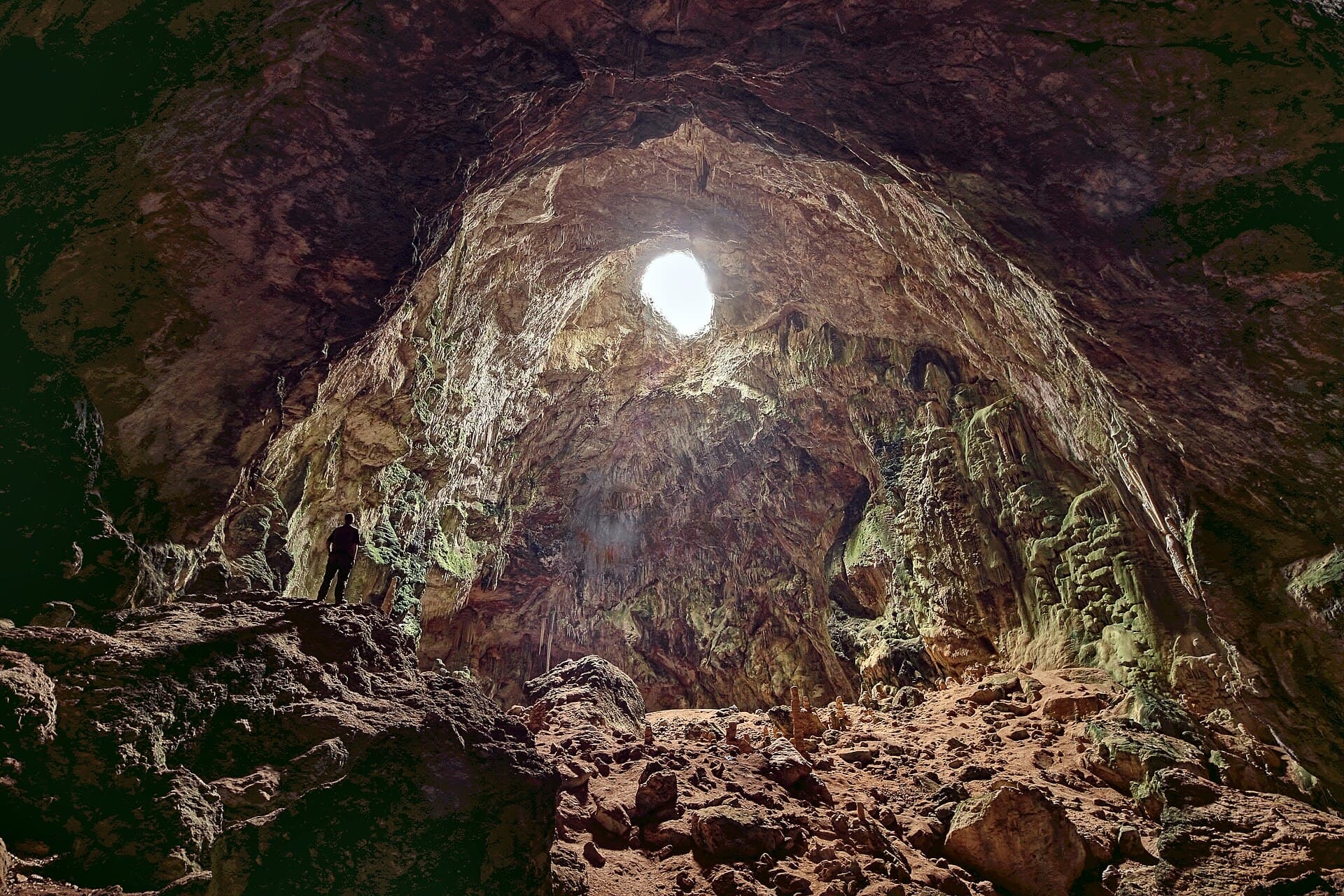
Avenc de Son Pou offers visitors a rare chance to experience a classic Balearic sinkhole formed by the collapse of limestone roofs over millennia. Located in the rugged interior of Mallorca, the cave plunges steeply from the surface, revealing layered rock walls sculpted by water and time. Unlike horizontal show caves, this avenc demands vertical movement and rewards those who come equipped for a genuine caving adventure.

Reaching the Cave

The entrance lies in the countryside near the village of Alaró, within easy reach of the Serra de Tramuntana. Most visitors drive from Palma along the Ma-13 motorway, turning off toward the mountains and following narrow lanes that wind past almond groves and dry-stone walls. A final short hike across scrubland leads to the fenced shaft. Public transport is limited, so a rental car or organised caving excursion remains the most practical option.

Inside the Shaft

Once at the lip, the scale becomes clear: a single vertical drop opens into a spacious chamber where daylight fades quickly. Further descent reveals smaller side passages and calcite formations that have grown undisturbed for thousands of years. The air stays cool and humid year-round, offering a sharp contrast to the sun-baked landscape above. Exploration stops at the base of the main shaft; deeper sections require technical rigging and local knowledge.

Geology and Ecology

The cave formed in Jurassic limestone typical of the Tramuntana range. Steady dripping water continues to shape delicate stalactites and flowstone. Small colonies of bats use the darker recesses, so lights should remain pointed downward and voices kept low.

Best Time to Visit

Spring and autumn provide the most comfortable conditions. Winter rains can make the rock slippery, while summer heat makes the surface approach uncomfortable. Early morning visits avoid the strongest midday sun on the hike in.

Nearby Attractions

Combine a cave visit with a walk along the GR-221 dry-stone route or a stop at the nearby Castell d’Alaró. The mountain village of Orient and its scenic viewpoints lie only a short drive away, offering a full day of contrasting above- and below-ground experiences.

Visitor tips

  • Wear a helmet with a reliable headlamp and sturdy boots with good grip; the descent involves ladders and uneven rock.
  • Book with a local caving guide if you lack vertical experienceu2014self-guided entry is restricted for safety.
  • Carry water and a light windproof layer; temperatures inside remain cool even on hot days.

Frequently asked questions

How difficult is the descent into Avenc de Son Pou?+

The main shaft uses fixed ladders and requires basic comfort with heights and confined spaces; it is not suitable for complete beginners without guidance.

Do I need special equipment for the cave?+

Yesu2014helmet, headlamp with spare batteries, gloves, and sturdy footwear are essential. Some visitors also bring a harness for added security on ladders.

Is Avenc de Son Pou family-friendly?+

The vertical nature and lack of handrails make it unsuitable for young children; older teens with caving experience may manage it with supervision.

Can I visit without a guide?+

Access is possible for experienced cavers who know the route, but most tourists join an organised trip for safety and to respect local access agreements.

What should I do if it rains before my visit?+

Postpone the trip. Heavy rain can make surfaces slippery and increase the risk of flash flooding in the lower sections.

Share
Google Maps Apple Maps Directions

Image: Pascal Dihé · CC BY-SA 4.0 · via Wikimedia Commons

Keep reading

Nearby & related

All stories
Poblat Pretalaiòtic des Figueral: Exploring Mallorca’s Hidden Bronze Age Village
Balearic Islands

Poblat Pretalaiòtic des Figueral: Exploring Mallorca’s Hidden Bronze Age Village

A quiet prehistoric settlement in northeastern Mallorca revealing early island life long before the Talayotic towers.

21 September 2026
Talaiot de Son Fred: Exploring Mallorca’s Ancient Talayotic Tower
Balearic Islands

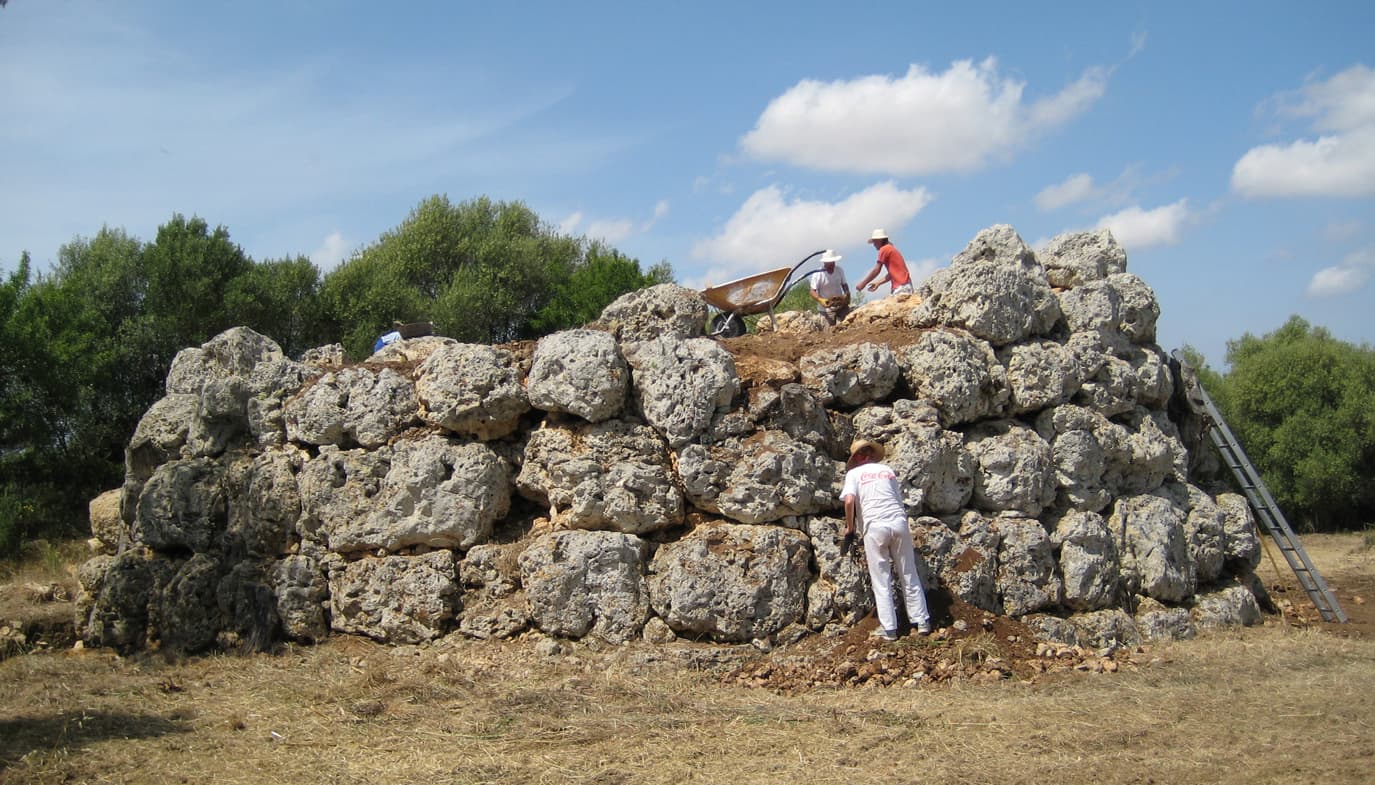
Talaiot de Son Fred: Exploring Mallorca’s Ancient Talayotic Tower

Discover this well-preserved prehistoric monument hidden in the quiet countryside of central Mallorca.

21 September 2026
Temple Talaiòtic de Son Corró: Mallorca’s Ancient Talayotic Sanctuary
Balearic Islands

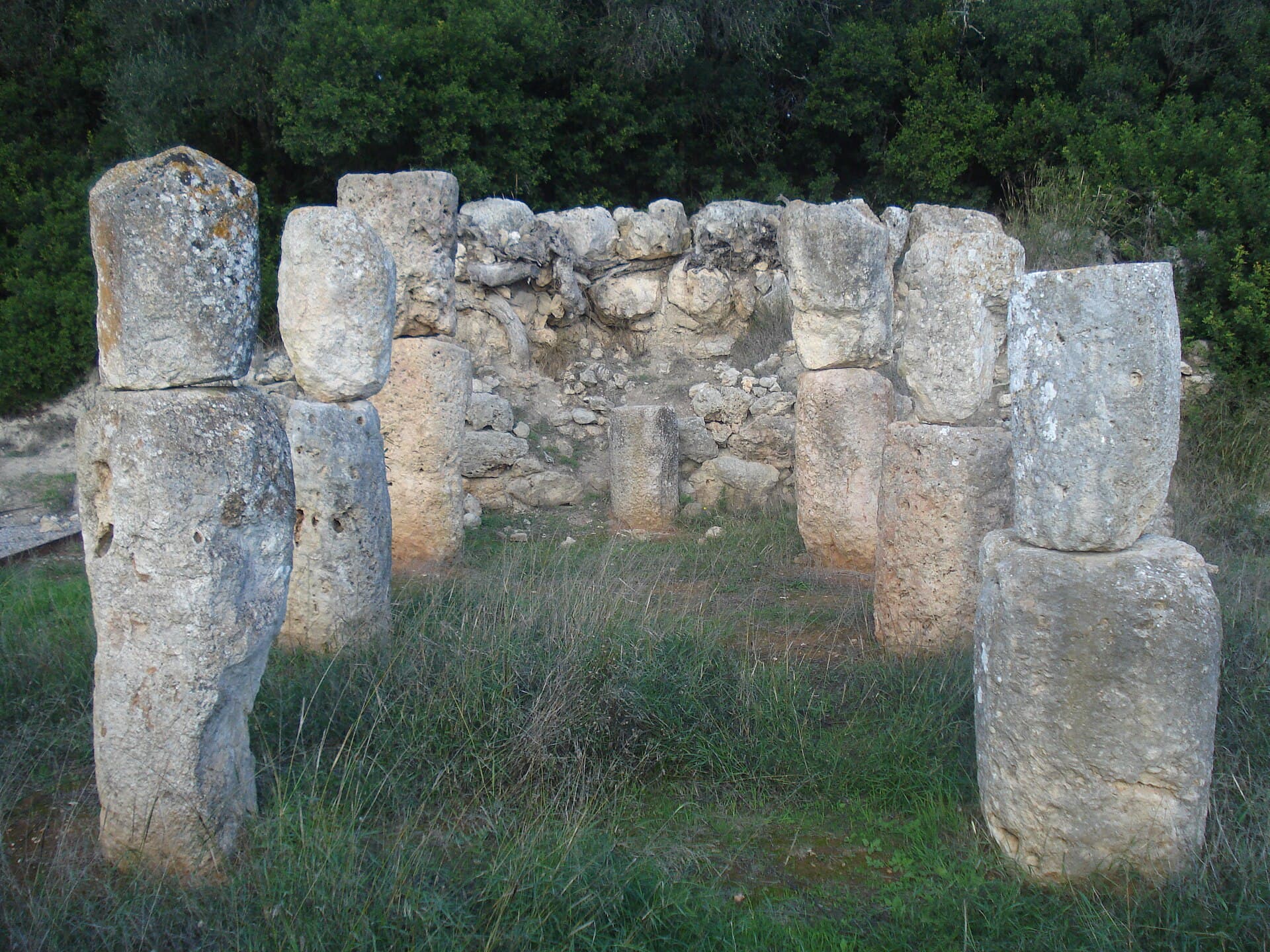
Temple Talaiòtic de Son Corró: Mallorca’s Ancient Talayotic Sanctuary

Step into the Bronze Age at this remarkably intact prehistoric temple set amid Mallorca’s rural heartland.

21 September 2026