
Keep reading
Nearby & related
Bremen
Heini Holtenbeen: Bremen’s Enduring Folk Statue
Discover the story, setting, and simple pleasures of visiting this beloved Bremen landmark.
18 October 2026
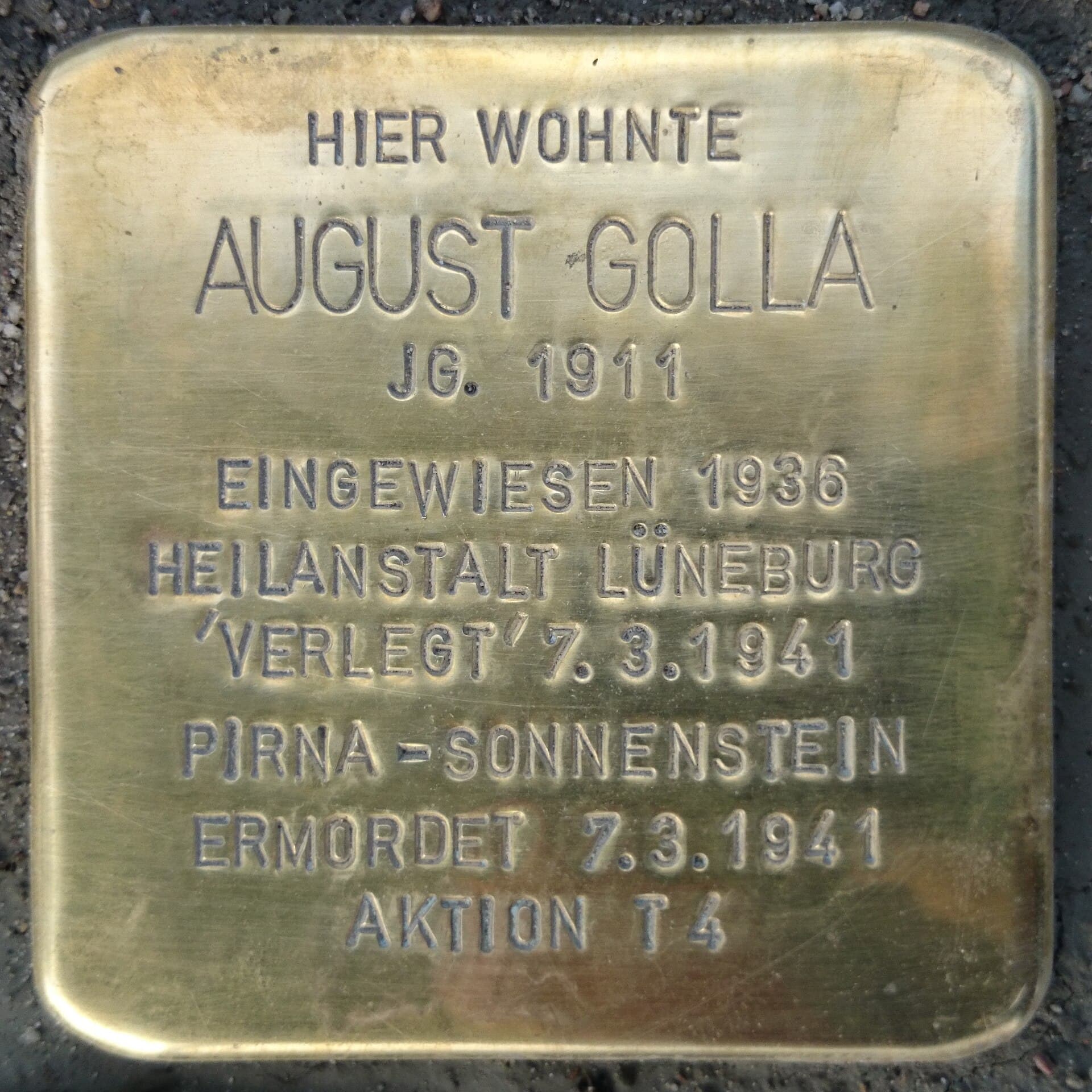
This understated memorial in northern Germany’s port city offers a reflective pause amid Bremerhaven’s maritime heritage.
The August Golla Monument stands as a modest yet meaningful landmark in Bremerhaven, honoring a figure tied to the region’s working-class and seafaring past. Located near the harbor district, the sculpture captures a sense of quiet dignity that contrasts with the industrial energy of the surrounding port. Visitors appreciate its understated presence, which invites contemplation rather than spectacle.
August Golla represents everyday contributors to Bremerhaven’s growth as a major emigration and fishing port in the 19th and 20th centuries. The monument avoids grandiosity, focusing instead on human-scale commemoration that resonates with the city’s identity as a gateway between land and sea. Its placement near working waterfront areas underscores the ongoing relationship between residents and the Weser estuary.
Approach the monument on foot along the harbor promenades to appreciate its integration with the landscape. The surrounding area features ship traffic, cranes, and occasional maritime events that provide context. Combine your visit with a stroll along the nearby dikes or a short ferry ride for views of the monument from the water. Photographers find soft morning light particularly effective for capturing the sculpture against the industrial backdrop.
Bremerhaven Hauptbahnhof lies a short tram or bus ride from the monument site. Travelers arriving from Bremen can take the regional train (about 45 minutes) then connect via local public transport. Cyclists appreciate the flat terrain and dedicated paths along the river. Parking is available at nearby harbor lots, though public transit avoids congestion during peak cruise-ship days.
Late spring through early autumn offers the most comfortable weather for outdoor exploration, with long daylight hours and blooming greenery along the promenades. Winter visits provide dramatic skies and fewer crowds but require warm layers against North Sea winds. Avoid major harbor festivals if seeking a peaceful experience.
The German Emigration Center and the Climate House Bremerhaven lie within easy walking distance, offering complementary perspectives on migration and environmental history. The historic fishing harbor and the Sail City high-rise provide additional maritime interest, while the Zoo am Meer appeals to families extending their day.
Keep reading
Discover the story, setting, and simple pleasures of visiting this beloved Bremen landmark.
August Golla was a local figure whose life reflected the working and seafaring traditions of Bremerhaven; the monument commemorates contributions typical of the portu2019s residents.
The main viewing area offers paved paths, though some adjacent harbor surfaces may present minor challenges depending on recent weather.
Yes, the outdoor site remains open at all times, though winter winds from the North Sea can make visits brief.
Some harbor walking tours pass the monument; inquire at the Bremerhaven tourist office for current schedules.
Comfortable walking shoes, a light jacket for wind, and a camera for harbor views enhance the experience.
This bronze bear links Berlin and Bremen through history, art, and public space in northern Germany.
Climb to Vogelnest for sweeping views across Bremen’s rooftops, the Weser River valley, and rolling countryside beyond.