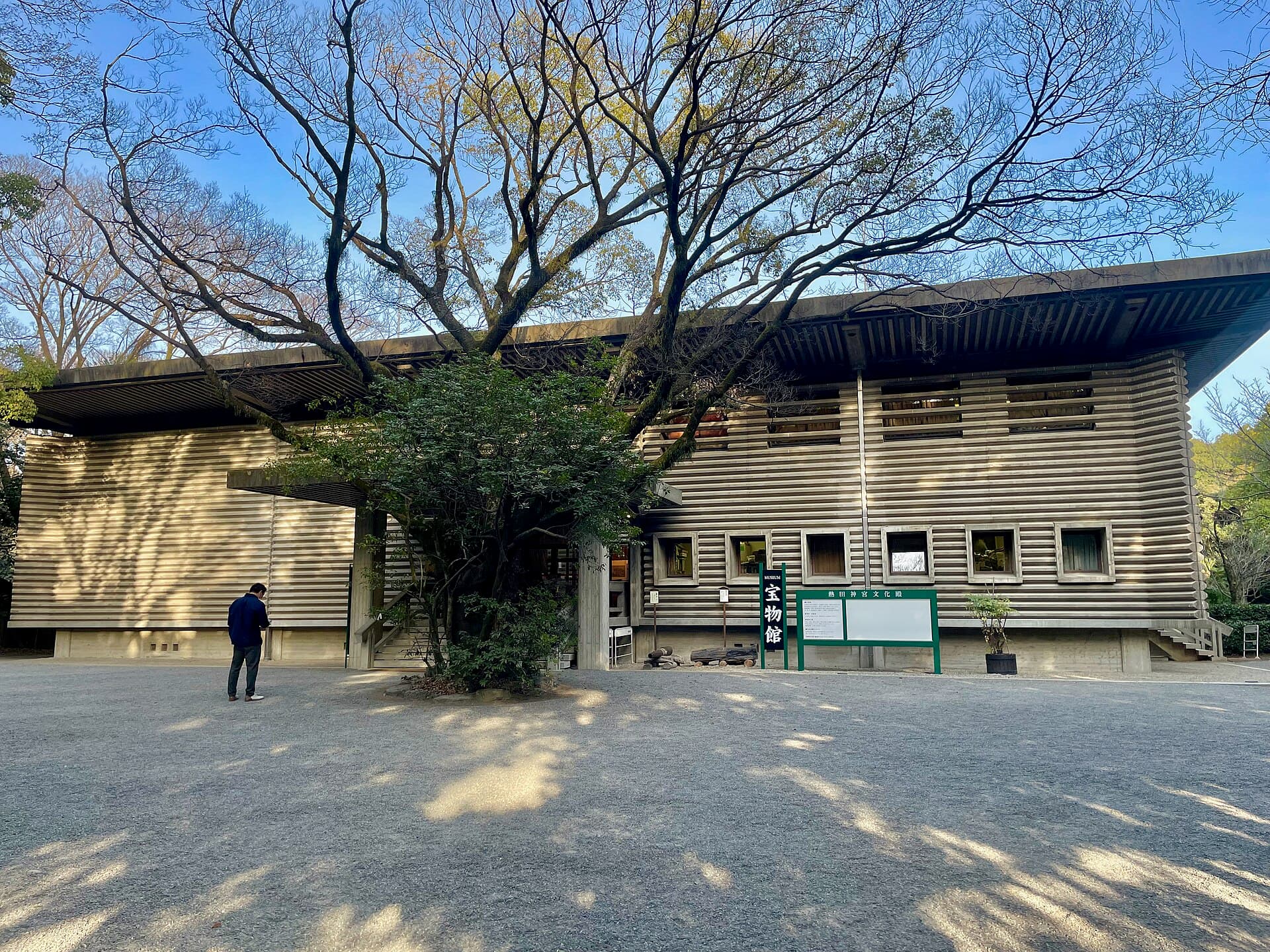
Why the Atsuta Shrine Treasure Hall Matters
The Atsuta Shrine Treasure Hall preserves objects that connect visitors directly to Japan’s imperial and spiritual heritage. Located within the grounds of Atsuta Shrine in Nagoya, the hall displays swords, armor, documents, and ritual items accumulated over centuries. Its collection centers on the shrine’s role as guardian of the Kusanagi-no-Tsurugi, one of the three sacred treasures of the emperor.
What to See Inside the Hall
Exhibits rotate through categories such as ancient blades, shrine furnishings, and historical records. Visitors encounter lacquered boxes, silk garments, and metalwork that illustrate evolving craftsmanship from the Heian period onward. The displays emphasize the shrine’s continuous veneration rather than dramatic reconstructions, offering a quiet, contemplative experience.
Practical Flow Through the Galleries
- Begin with the ground-floor cases showing swords and blades linked to the shrine’s founding legend.
- Move to upper levels for textiles and documents that reveal daily shrine life across eras.
- End near the exit with interpretive panels explaining the connection between the objects and Atsuta’s ongoing rituals.
How to Reach the Treasure Hall
From central Nagoya, take the Meitetsu Nagoya Line or JR Tokaido Main Line to Atsuta Station, then walk ten minutes through the shrine precinct. The hall sits inside the larger shrine complex, so arrive early to combine the visit with a walk through the cedar-lined paths and subsidiary shrines.
Best Time to Visit
Spring and autumn bring milder temperatures and fewer crowds than summer festivals or New Year. The surrounding shrine grounds remain attractive year-round, with peak foliage in November and quieter mornings even during peak tourist seasons.
Nearby Places Worth Adding
After the Treasure Hall, explore the main Atsuta Shrine sanctuary, the adjacent Atsuta Jingu Museum annex if open, or continue to Nagoya Castle for a contrast between Shinto heritage and feudal architecture. The area also offers easy access to local soba shops that have served shrine visitors for generations.