
Aternum: Exploring the Roman Ruins Beneath Pescara
Step into the layered history of ancient Aternum, the Roman settlement that lies at the heart of modern Pescara on the Adriatic coast.
The Enduring Legacy of Aternum
Aternum was the Roman name for the settlement that grew around the mouth of the Aterno River, serving as a key port and trading hub along the Adriatic. Today its scattered remains offer visitors a direct connection to imperial-era life in Abruzzo, set within the bustling city of Pescara. The site reveals how Romans engineered roads, temples, and forums on this coastal plain, layers of which still surface amid contemporary streets and parks.
Principal Remains Worth Seeing
The Temple of Jupiter and Forum Area
Stone foundations and column bases mark the elevated temple precinct dedicated to Jupiter, once the focal point of civic and religious life. Adjacent open spaces trace the layout of the forum where markets and public gatherings occurred. Low walls and paving fragments show the careful grid planning typical of Roman urban design.
Roman Road and Port Infrastructure
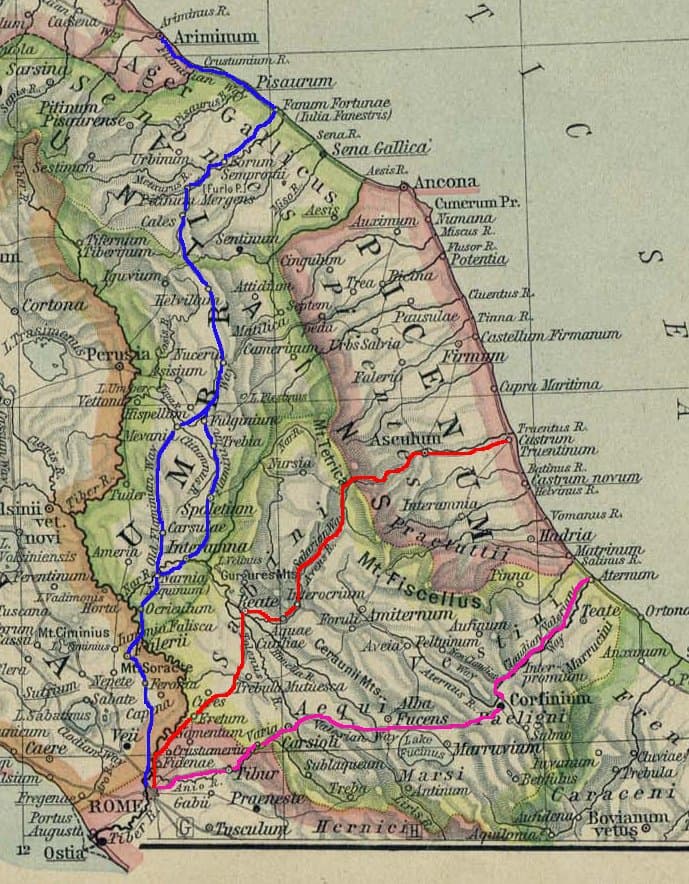
Sections of the ancient Via Valeria and harbor-related structures appear near the river mouth. These features illustrate Aternum’s role in moving goods between the interior mountains and overseas routes. Visitors can follow the alignment of the old road as it crosses modern squares, giving a sense of scale to the original settlement.
Planning Your Visit
The archaeological zone is integrated into Pescara’s urban fabric, so exploration combines walking with short transfers. Comfortable shoes are essential for uneven surfaces and occasional gravel paths. Allow two to three hours to examine the main features without rushing. Interpretation panels provide context in Italian and English at key points.
Getting There
Pescara’s central train station lies within walking distance of the main ruins. Regional trains from Rome or Ancona arrive frequently. Drivers can use municipal parking lots near the river and continue on foot. The site sits close to the waterfront promenade, making it easy to combine with a stroll along the Adriatic.
Best Time to Visit
Spring and autumn deliver mild temperatures ideal for outdoor walking. Summer brings heat and crowds, though early mornings remain pleasant. Winter offers fewer visitors but occasional rain; the compact nature of the remains keeps visits feasible year-round. Local festivals occasionally animate the area with historical reenactments.
Nearby Attractions
After touring the ruins, continue to Pescara’s long sandy beach or the Museo delle Genti d’Abruzzo for regional artifacts. The Majella National Park lies less than an hour inland by car or bus, offering dramatic mountain scenery and hiking trails that contrast with the coastal plain. The hill town of Chieti, with its own Roman theater, makes an easy half-day extension.
Visitor tips
- Wear sturdy shoes, as surfaces include uneven Roman paving and grass-covered foundations.
- Combine your visit with a walk along Pescarau2019s lungomare to experience the contrast between ancient port and modern seaside life.
- Visit early in the day or late afternoon to avoid summer heat and enjoy softer light for photography.
Frequently asked questions
What exactly is Aternum?
Aternum was the Roman-era name for the settlement that became Pescara, featuring a port, forum, and temples built near the Aterno River mouth.
How old are the visible ruins?
The principal structures date from the 1st century BCE through the 3rd century CE, reflecting the height of Roman control along this stretch of the Adriatic.
Is Aternum suitable for families with children?
Yes, the flat terrain and short distances between features make it manageable for most ages, though some uneven ground requires supervision.
Can I visit Aternum without a guide?
The site is open and self-guided with on-site panels; guided tours are available seasonally through local tourism offices if deeper context is desired.
What should I bring when visiting Aternum?
Comfortable walking shoes, water, and sun protection are recommended, especially during warmer months when shade is limited.